Or go to our Shopify Theme Detector directly
How Much Does It Cost To Sell On Shopify? [2024]
Last modified: October 30, 2023
![How Much Does It Cost To Sell On Shopify? [2024]](https://shopthemedetector.com/blog/wp-content/themes/ShopBlog/assets/img/faq_placeholder.jpg)

Shopify isn’t a free service, there are costs to establish your presence on the internet. There are 4 main pricing plans for any Shopify store, they are:
| # | Name | Image | |
|---|---|---|---|
| 1 |

|
Request A Quote
|
|
| 2 |
|
Request A Quote & Hide Prices
|
|
| 3 |
|
Globo Request a Quote
|
|
| 4 |
|
Bulk Products Edit
|
|
| 5 |
|
Simple Bulk Price Editor
|
|
| 6 |
|
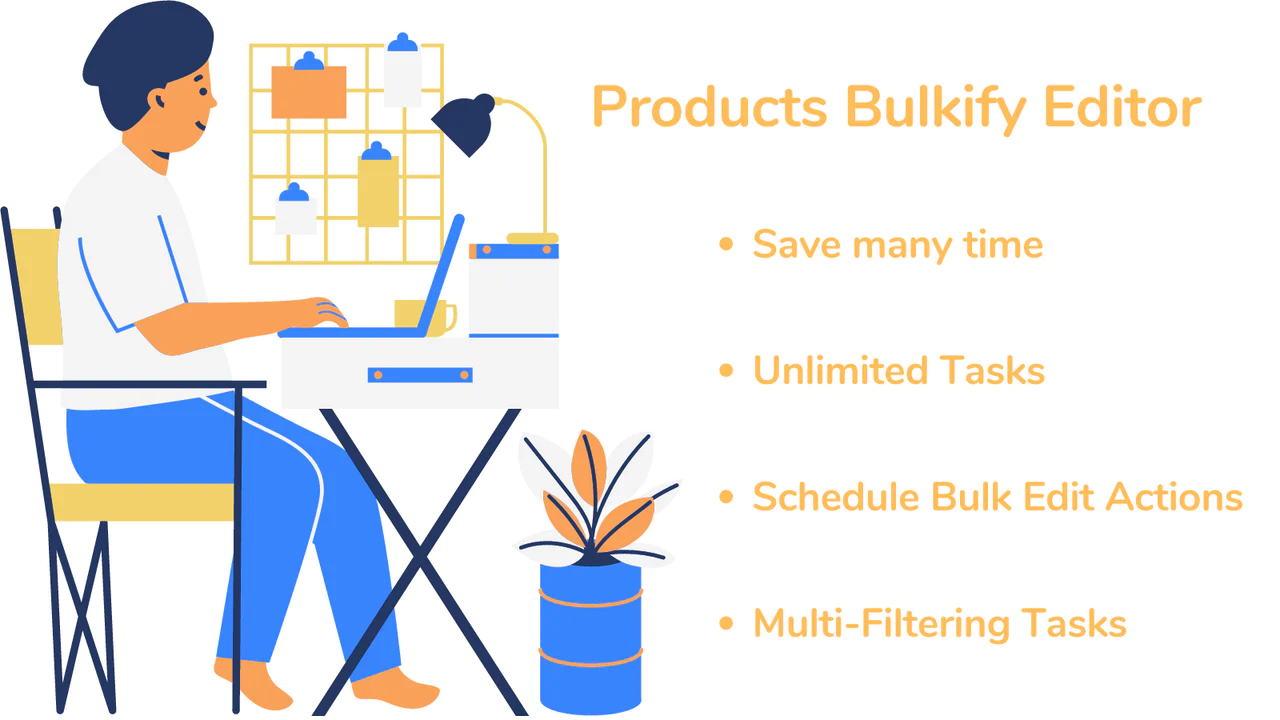
Products Bulk Editor
|
|
| 7 |
|
Elfsight Pricing Table
|
|
| 8 |
|
Pricing Table - Pricing Plans
|
|
| 9 |
|
Table Rates Shipping
|
|
| 10 |
|
POWR Product Price Table
|
|
|
Show More
|
|||
Basic - $39 Per Month
This is the most basic plan that is available for Shopify users. With it you can operate a successful store and start earning a revenue.
Shopify - $105 Per Month
An advanced suite of features that allows growing businesses to expand and sell more online. Those who have an established business with regular new and returning customers should consider this pricing point.
Shopify Advanced - $399 Per Month
This is for those stores that have significantly high amounts of traffic and revenues. You will need this if you have numerous staff who help you operate your store. You can find out more information about this plan here.
Shopify Plus – Quoted On Application
Shopify Plus offers a lot of benefits for users. It is a great option for those who are operating in multiple locations, currencies and legal jurisdictions. There isn’t a set price for this option, you would need to get a quote when you apply.
Shopify Lite - $9 Per Month
Shopify Lite isn’t a Shopify website. It’s an access to a code that takes shape in a button deployable on websites or chats that can accept credit card payments. All payments are taken through the Shopify payment facility.
Importance of Understanding Costs on Shopify
Strategic Financial Planning
Knowing the exact costs associated with selling on Shopify enables businesses to plan their finances strategically. Accurate budgeting ensures that businesses allocate resources efficiently, maximizing profitability.
Competitive Pricing
By understanding all the costs, businesses can set product prices that cover expenses while remaining competitive in the market. This balance is crucial for attracting customers and ensuring sustainable profit margins.
Minimizing Unexpected Expenses
Unforeseen expenses can disrupt a business’s cash flow. Being aware of potential costs on Shopify helps in anticipating and preparing for these expenses, ensuring smooth operations.
Unveiling Hidden Costs When Selling On Shopify
Shopify’s Varied Packages
While Shopify’s pricing page provides a clear picture of the basic costs, there’s more beneath the surface. For instance, Shopify offers a range of packages tailored to different business sizes and needs.
From the basic package for small businesses to Shopify Plus for large enterprises, each comes with its own set of features and price points.
Transaction and Credit Card Fees
Apart from the monthly subscription, Shopify also charges transaction fees, especially if you opt for a third-party payment provider. These fees vary based on your chosen subscription plan.
Additionally, accepting payments via credit card networks incurs fees, which differ based on whether the transaction is online or in-person.
Additional Features and Tools
To enhance your store’s functionality, you might consider diving into the Shopify App Store. With over 8,000 apps, some are free, while others come with one-time or subscription fees.
Moreover, while Shopify offers free themes, premium themes can provide more customization options, costing between $150 and $350.
International Sales and Other Considerations When Selling On Shopify
Handling International Transactions
Selling to international customers? Shopify allows you to accept payments in local currencies, but this comes with a currency conversion fee.
However, platforms like Wise can help reduce these transaction costs, making international sales more profitable.
Setting Up Your Business
Starting an online business involves more than just setting up a store. Consider costs like business registration, sales tax permits, and potential legal or accounting consultations. These upfront costs ensure your business operates smoothly and complies with regulations.
Inventory and Product Sourcing
Your business model will determine inventory costs. Whether you’re crafting handmade goods, ordering custom-made products, or dropshipping, each has its own set of expenses.
Additionally, consider storage costs, especially if you’re not dropshipping.
Conclusion: How Much Does It Cost To Sell On Shopify?
Do you want to know more? You can see the Shopify features page to find out more about these plans.
-
Are there ways to reduce currency conversion fees on Shopify?
Using third-party payment solutions like Wise can significantly reduce currency conversion fees. By accepting payments in local currencies and converting them at better rates than traditional banks, merchants can save on transaction costs and enhance their profit margins.
-
How do Shopify’s transaction fees compare to other platforms?
Shopify’s transaction fees are competitive due to its robust features, surpassing platforms with lower fees but limited tools. Always consider the value when assessing costs.
-
Are there additional costs for using third-party apps on Shopify?
Yes, many third-party apps on Shopify come with their own pricing, either as a one-time fee or a recurring subscription. These costs are separate from Shopify’s monthly subscription and can vary widely depending on the app’s functionality and developer.


 PageFly Landing Page Builder
  Shopify
  SEMrush
  Website Maintenance
  UpPromote