6 Amazon Shopify Themes for 2026
Last modified: October 11, 2026

| # | Image | Name | Price | Reception | Adoption | CWV pass rate |
|---|---|---|---|---|---|---|
| 1 |
|
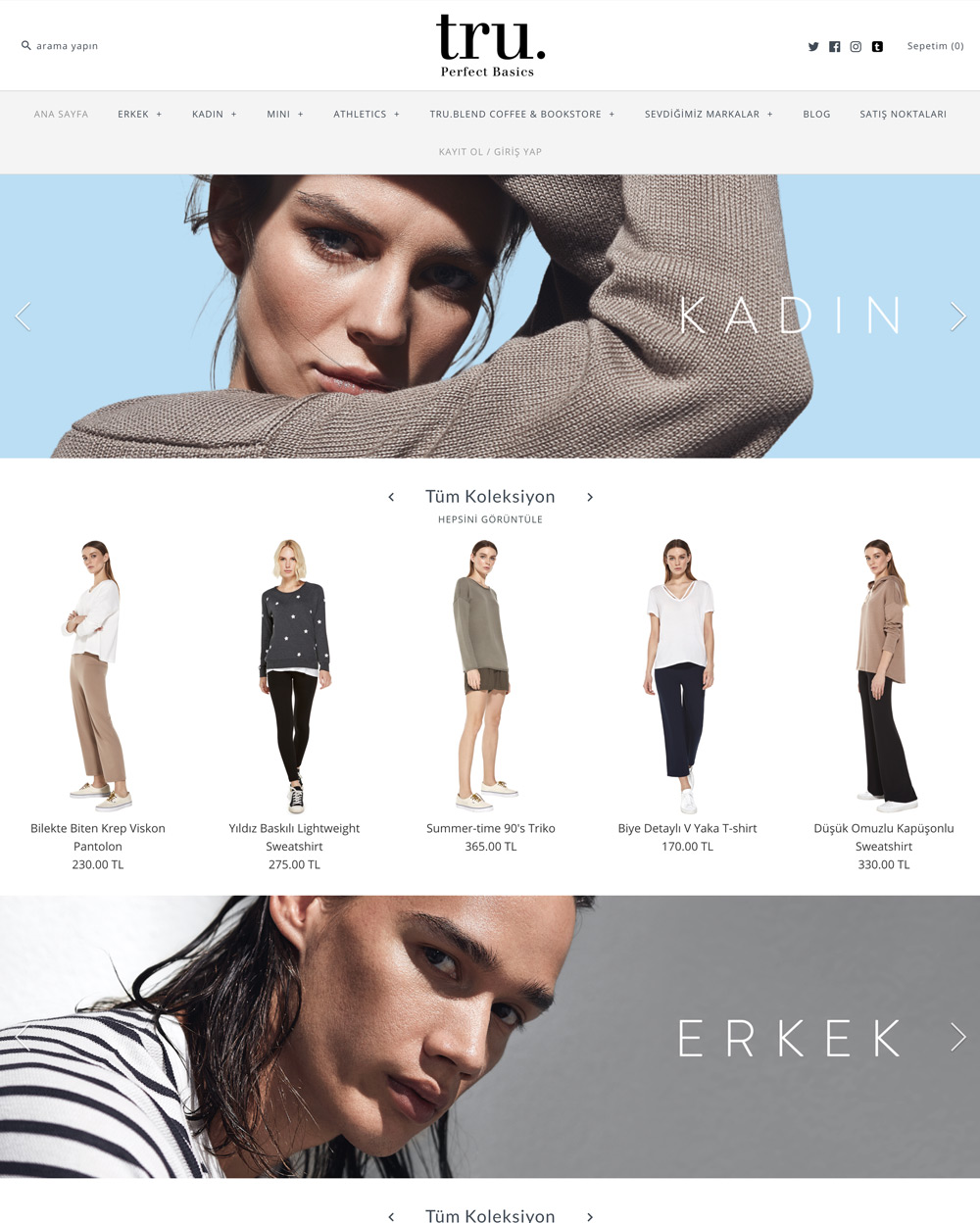
Symmetry
|
$420 | (392) | 1.4% | 80.5% |
| 2 |
|
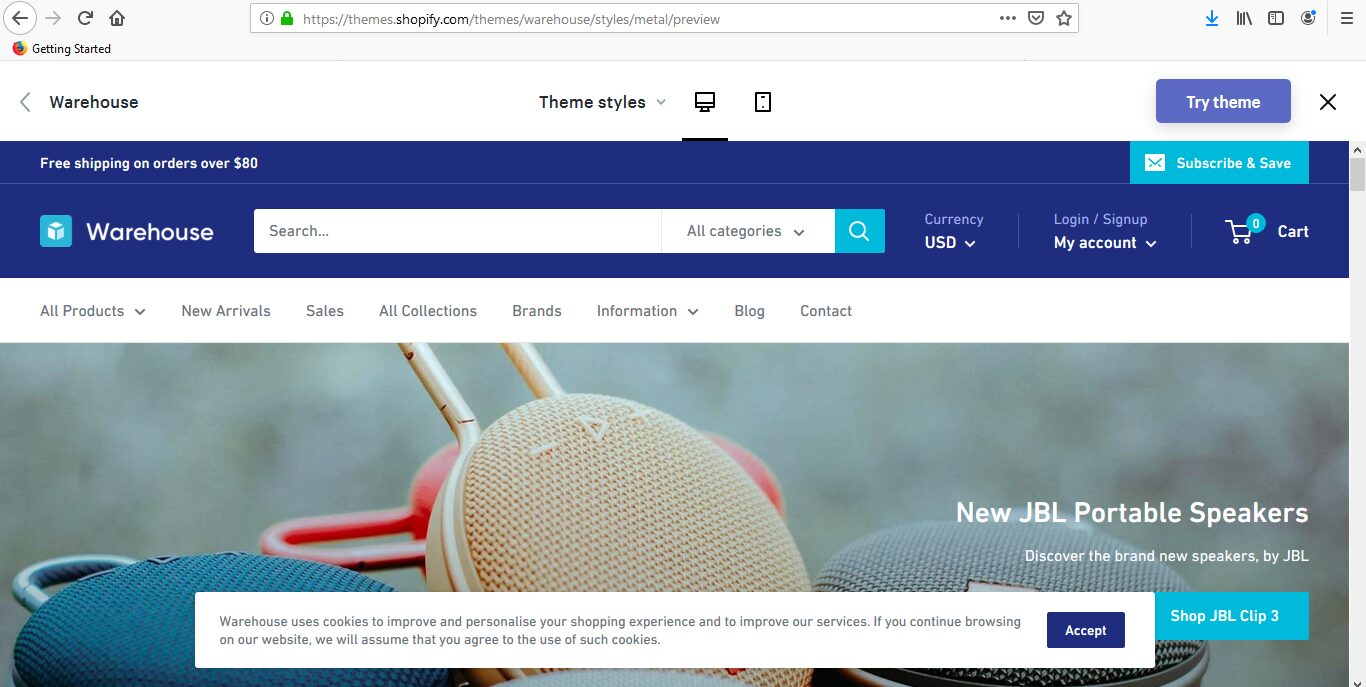
Warehouse
|
$320 | (325) | 0.8% | 67.6% |
| 3 |
|
Empire
|
$360 | (482) | 0.6% | 65.5% |
| 4 |
|
Expanse
|
$420 | (340) | 0.4% | 67.2% |
| 5 |
|
Parallax
|
$260 | (249) | <0.1% | - |
| 6 |
|
Booster
|
$299 | 0.2% | 46.2% | |
|
Show More
|
||||||
Data first, opinion second: we track usage across 3.5+ million Shopify stores daily, and have since 2017. The stats tell us what merchants actually use; our editors rank the final picks by quality, pricing, and fit.
How These Themes Compare on Speed
| Theme | CWV pass rate | Few apps | Median LCP |
|---|---|---|---|
| Symmetry | 80.5% | 86.8% | 1.5s |
| Warehouse | 67.6% | 76.8% | 1.7s |
| Expanse | 67.2% | 78.7% | 1.9s |
| Empire | 65.5% | 78.1% | 1.8s |
| Booster | 46.2% | 45.5% | 2.1s |
Symmetry
Ideal for: Responsive multi-collection stores
Symmetry from Clean Canvas brings the one thing an Amazon-style store cannot do without: powerful filtering. Its multi-attribute filters and search let shoppers narrow a huge catalog by size, color, price, or tag, which is exactly how people expect to shop a marketplace-style store.
Its clean, flexible layout keeps that big catalog from feeling cluttered, and it tests faster than most themes we measure. For the full picture on how it performs and who runs it, see our Symmetry review.
Symmetry, Highlights:
- Multi-attribute filters and search for a huge catalog.
- Clean layout that keeps a big range from feeling cluttered.
- Tests faster on Google PageSpeed than most themes.
- Top for responsive, multi-collection stores.
Symmetry Usage Statistics
Symmetry usage at a glance, from our Shopify store dataset, refreshed daily.
Symmetry Page Speed: Live Data
Warehouse
Ideal for: Large catalog, wholesale-style stores
Warehouse from Maestrooo is the closest thing to a purpose-built Amazon-style theme. It is designed to organize, present, and filter catalogs with thousands of products, so a store with a sprawling range stays navigable the way a marketplace needs to be.
Deep filtering, mega menus, and dense product grids do the heavy lifting, and its no-nonsense layout puts function first. For a genuinely large catalog, it is the most on-brief pick here.
Warehouse, Highlights:
- Built to filter and present catalogs with thousands of products.
- Deep filtering, mega menus, and dense product grids.
- Function-first layout for a marketplace-style store.
- Top for very large, wholesale-style catalogs.
Warehouse Usage Statistics
Warehouse usage at a glance, from our Shopify store dataset, refreshed daily.
See the Warehouse store data for its full adoption and catalog stats.
Warehouse Page Speed: Live Data
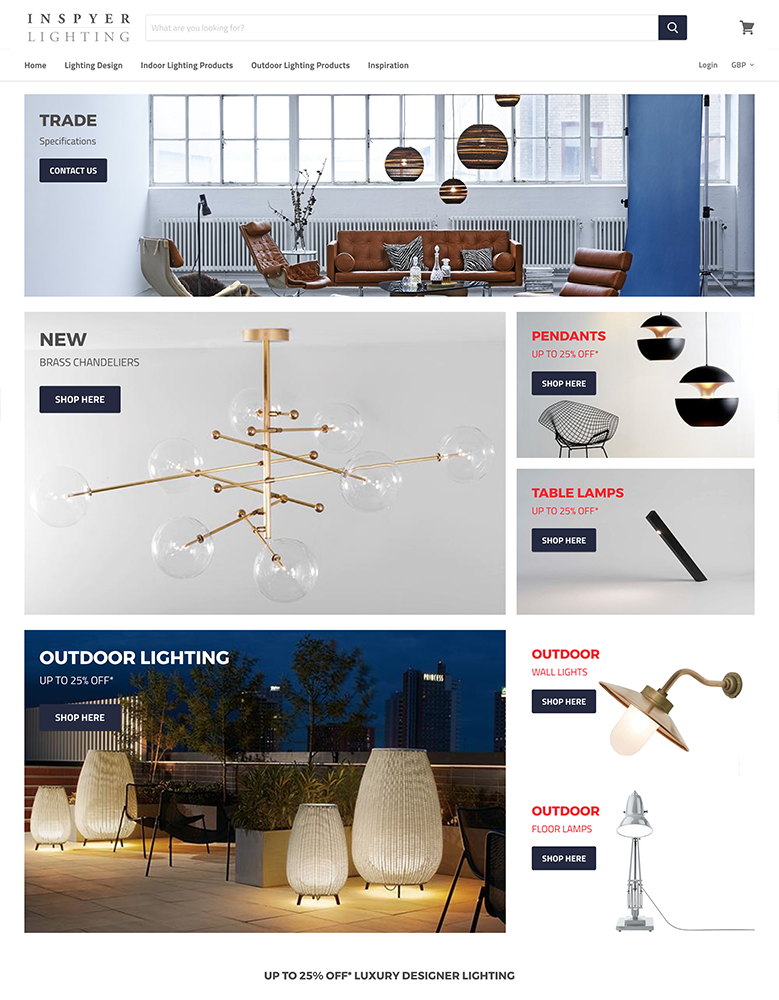
Empire
Ideal for: Amazon-inspired DTC and dropshipping
Empire from Pixel Union is built for big, high-volume catalogs, with advanced filters and shoppable images that suit an Amazon-style store selling across many categories. Its sticky navigation keeps search and filtering in reach however deep a shopper goes.
It has the polished, big-brand look to match, and strong cross-sell tools to lift the order. It leans toward established, high-volume stores.
Empire, Highlights:
- Advanced filters and shoppable images for many categories.
- Sticky navigation keeps search in reach deep in a catalog.
- Strong cross-sell tools to lift the order.
- Top for Amazon-inspired DTC and dropshipping stores.
Empire Usage Statistics
Empire usage at a glance, from our Shopify store dataset, refreshed daily.
Empire Page Speed: Live Data
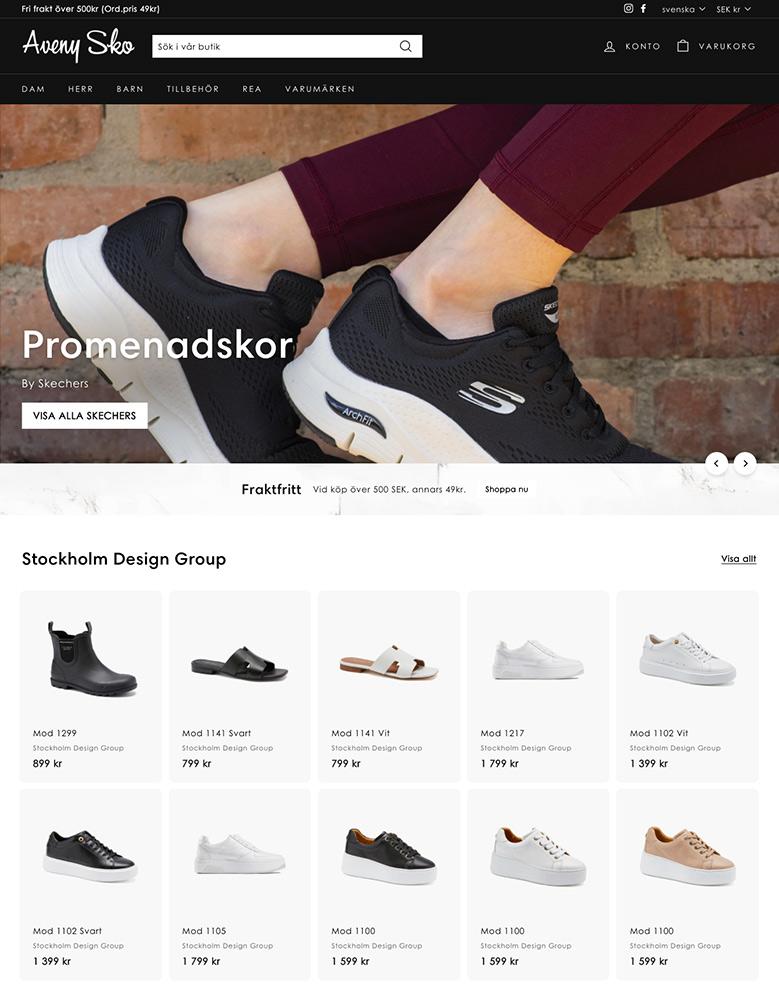
Expanse
Ideal for: Product-heavy homepage stores
Expanse from Archetype Themes is another large-inventory specialist, and its multi-category sidebar filter is exactly the marketplace-style navigation an Amazon-like store needs. It is built to make a massive catalog fast to sort and quick to buy from.
Enhanced search, mega menus, and strong cross-sell and promo tools round out a theme aimed at high-volume stores that run frequent offers.
Expanse, Highlights:
- Multi-category sidebar filter for marketplace-style browsing.
- Enhanced search and mega menus for a massive catalog.
- Strong cross-sell and promotional tools.
- Top for product-heavy, high-volume stores.
Expanse Usage Statistics
Expanse usage at a glance, from our Shopify store dataset, refreshed daily.
Expanse Page Speed: Live Data
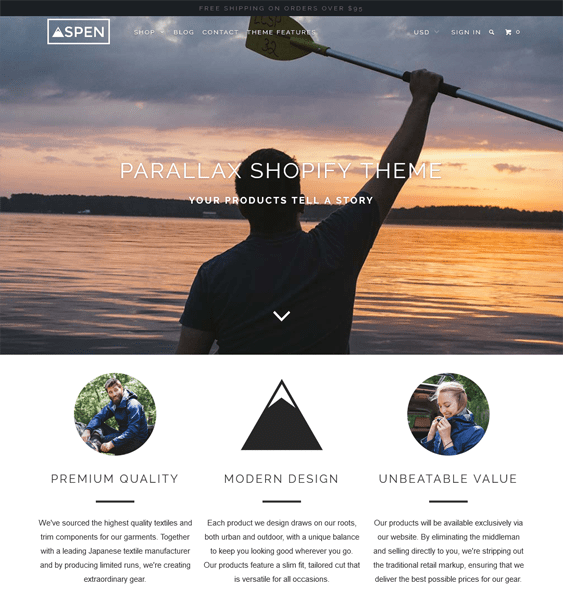
Parallax
Ideal for: Mid-size stores with strong imagery
Parallax from Out of the Sandbox is the visual outlier here, and it earns a place if you want an Amazon-style breadth of products with more brand personality than a plain grid. Its immersive, scroll-driven layout gives a large catalog a more distinctive front end.
It is the most affordable premium pick in this list and one of the highest-rated, so it is an easy way to run a big catalog without losing your brand look.
Parallax, Highlights:
- Immersive, scroll-driven layout with brand personality.
- A more distinctive front end for a large catalog.
- The most affordable premium theme in this list.
- Top for mid-size stores with strong imagery.
Parallax Usage Statistics
Parallax usage at a glance, from our Shopify store dataset, refreshed daily.
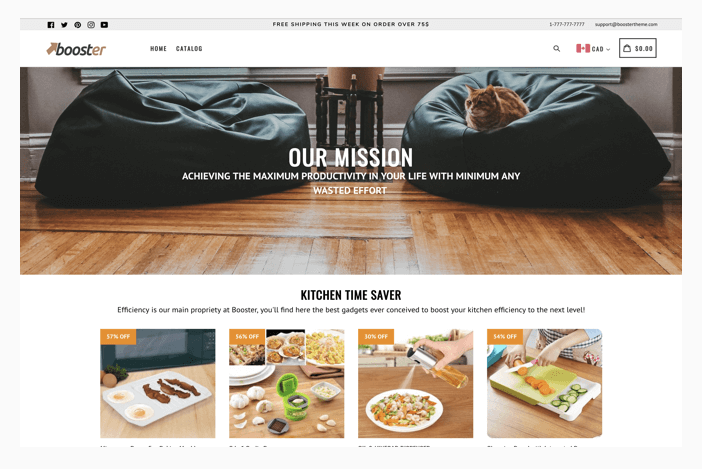
Booster
Ideal for: Conversion-first, high-SKU stores

Booster is the conversion-first option, bundling the selling tools an Amazon-style store leans on, search, upsells, countdowns, and social proof, into the theme itself rather than a stack of apps.
It is sold direct rather than through the Shopify Theme Store, and it pitches itself on replacing several paid apps. Fewer stores in our dataset run it than the Theme Store options above, so we do not show live stats for it.
Booster, Highlights:
- Bundles search, upsells, countdowns, and social proof.
- Aims to replace several paid apps.
- Conversion tools suited to a high-SKU store.
- Sold direct, with no Shopify Theme Store listing.
Booster Page Speed: Live Data
-
How do Amazon Shopify themes differ from regular Shopify themes?
Amazon Shopify themes are specifically tailored to integrate with Amazon’s services, offering features like easy product import and Amazon affiliate integration.
-
Can I integrate my existing Amazon products into a Shopify store using these themes?
Yes, Amazon Shopify themes facilitate the integration of your existing Amazon products into your Shopify store. This integration streamlines the process of managing your inventory and sales across both platforms.
-
What kind of support can I expect with Amazon Shopify themes?
Most Amazon Shopify themes come with dedicated support from the theme developers. This support includes assistance with theme installation, troubleshooting, and updates.
-
What’s the difference between selling on Amazon and selling on Shopify?
Selling on Amazon means listing your products in Amazon’s marketplace and competing in their search results, Amazon owns the customer relationship and takes 8-15% (or more) in fees. Selling on Shopify means running your own store with your own URL, brand, and customer list, you keep more margin but have to drive your own traffic. Many merchants do both: list on Amazon for discovery and run a Shopify store for brand-building and repeat customers. An Amazon-style Shopify theme makes your store feel familiar to customers who came from Amazon, smoothing the transition.
-
Can I import my Amazon listings to a Shopify store?
Yes: apps like CedCommerce Amazon Channel, Codisto, and ByteStand let you sync your Amazon listings to Shopify in both directions. You can manage inventory and orders from one dashboard. The integrations cover product details, prices, images, and inventory levels, but Amazon’s review data doesn’t transfer (Amazon owns those reviews). Most apps charge $20-100/month based on SKU count.
-
Which Amazon-style Shopify theme works best for dropshipping?
Empire is the most popular Amazon-style Shopify theme for dropshipping because its three preset styles handle high-SKU catalogs well, and the review display sections work with Alireviews, Judge.me, and similar review import apps common in the dropshipping space. Booster is a strong second option since it includes built-in conversion features (countdown timers, trust badges, upsell prompts) that most dropshipping stores add via individual apps anyway. Both themes support the dense product grids and fast-loading layouts that matter most when you are driving paid traffic to cold audiences who need quick reasons to trust the product.
Choosing the Right Amazon-Style Shopify Theme
The right choice depends on catalog size and your primary conversion driver. Empire and Parallax handle mid-size catalogs (50-500 products) well across multiple traffic sources. Warehouse and Expanse are better suited for 500+ SKU catalogs where grid density and mega-menu navigation matter most. Symmetry and Booster offer the most flexibility if you want Amazon-style density without fully abandoning brand design.
Whichever theme you choose, pair it with a solid review collection process (automated post-purchase requests) and a search/filter app if your catalog grows past 200 products. The theme handles the structure; the reviews and filtering do the conversion work.
For broader theme research beyond Amazon-style picks, see our full list of the strong Shopify themes or our complete Shopify theme reviews guide.