6 Envy Shopify Theme Alternatives for 2026
Last modified: September 14, 2026

| # | Image | Name | Price | Reception | Adoption | CWV pass rate |
|---|---|---|---|---|---|---|
| 1 |

|
Broadcast
|
$420 | (283) | 1.7% | 74.7% |
| 2 |
|
Warehouse
|
$320 | (325) | 0.8% | 66.8% |
| 3 |
|
Empire
|
$360 | (481) | 0.6% | 65.9% |
| 4 |
|
Booster
|
$299 | 0.2% | 45.3% | |
| 5 |
|
Beyond
|
$420 | (75) | 0.1% | 79.6% |
| 6 |
|
Loft
|
$180 | (175) | <0.1% | — |
|
Show More
|
||||||
Envy is a bright, playful multipurpose theme, but it is not the right fit for every store, and its adoption is modest compared with the themes that dominate our dataset. The live Envy stats page has the current adoption and speed numbers on real stores running it. If you want more editorial depth, better large-catalog handling, or built-in conversion tools, there are stronger options. This guide covers why store owners look past Envy, what to weigh in an alternative, and how each pick below compares.
How Envy compares to our top alternative
Before the picks, here is Envy side by side with the most-used option on this list.
 Broadcast Broadcast |  Envy Envy | |
|---|---|---|
| Share of stores in our dataset | 1.7% | 0.2% |
| Popularity rank | #10 | — |
| Price | $420 USD | $320 USD |
| Reception | 95% positive (283 reviews) | 91% positive (272 reviews) |
| Developer | Presidio | Eight Themes |
| Avg apps on their stores | 7.3 | 7.0 |
| Apps most used on their stores |
|
|
| Common store types | Subscription, Multichannel & Marketplaces, Wholesale / B2B | Subscription, Wholesale / B2B, Multichannel & Marketplaces |
Why look past the Envy theme
Envy is capable, but store owners usually move on for one of three reasons. The first is scale: as a catalog grows past a few dozen products, Envy can feel light on filtering and search compared with catalog-first themes. The second is depth: brands that lean into content and storytelling often want more editorial sections than Envy provides. The third is conversion: some owners want built-in marketing tools rather than adding a stack of apps. Each alternative below answers one of those needs.
What to look for in an Envy alternative
Start with your reason for switching, then match the theme. For a bigger catalog, prioritise filtering, live search, and multi-column menus, which is where Warehouse and Empire lead. For a content-led brand, look for editorial layouts and long-form sections, the strength of Broadcast and Beyond. For an all-in-one setup, weigh built-in marketing tools against buying a theme plus separate apps, where Booster stands out. And always check speed and mobile performance, since both affect rankings and conversion.
How many stores still use Envy?
Envy was a bold, feature-packed theme in its day, and some stores still run it. The live data, though, shows it sitting in the long tail of theme usage. The trend below tracks its adoption across the Shopify stores in our dataset.
Envy has held steady at about 0.1% of Shopify stores in our dataset over recent months.
The picture is a quiet, steady decline. Envy is not broken, but it is a legacy choice, and new stores rarely pick it. The features that once set it apart are now standard in modern themes, usually with cleaner code and better support.
What Envy does well, and where it falls short
Envy packed in a lot: multiple layouts, bold styling, and plenty of built-in sections. For a store that wants variety without buying several themes, that breadth still has appeal. The downside is age. The design language feels dated, heavy features can weigh on speed, and deep changes need code. If you value a modern, maintained base over sheer feature count, the alternatives below are the safer bet.
Our Picks: 6 Envy Shopify Theme Alternatives 2026
Data first, opinion second: we track usage across 3.5+ million Shopify stores daily, and have since 2017. The stats tell us what merchants actually use; our editors rank the final picks by quality, pricing, and fit.
How These Themes Compare on Speed
| Theme | CWV pass rate | Few apps | Median LCP |
|---|---|---|---|
| Beyond | 79.6% | 82.6% | 1.5s |
| Broadcast | 74.7% | 86.7% | 1.5s |
| Warehouse | 66.8% | 77.1% | 1.7s |
| Empire | 65.9% | 78.6% | 1.8s |
| Booster | 45.3% | 51.4% | 2.1s |
Broadcast
Ideal for: Editorial, story-led brands
If you liked Envy for its bold, playful energy, Broadcast is the natural step up. It keeps the visual punch but adds editorial, magazine-style layouts and real storytelling tools, so a colourful brand can build a whole world around its products rather than just list them. As the most widely used theme on this list, it also brings a foundation plenty of stores already trust. See where it sits in our Broadcast usage data.
Video and image blocks, plus a fast, mobile-first build, make it a strong home for an image-led store.
Broadcast Highlights:
- Editorial layouts with real storytelling
- Keeps bold, playful visual energy
- Video and image blocks
- Fast, widely used, and proven
Broadcast Usage Statistics
Broadcast usage at a glance, from our Shopify store dataset, refreshed daily.
Broadcast Page Speed: Live Data
Warehouse
Ideal for: Large, growing catalogs
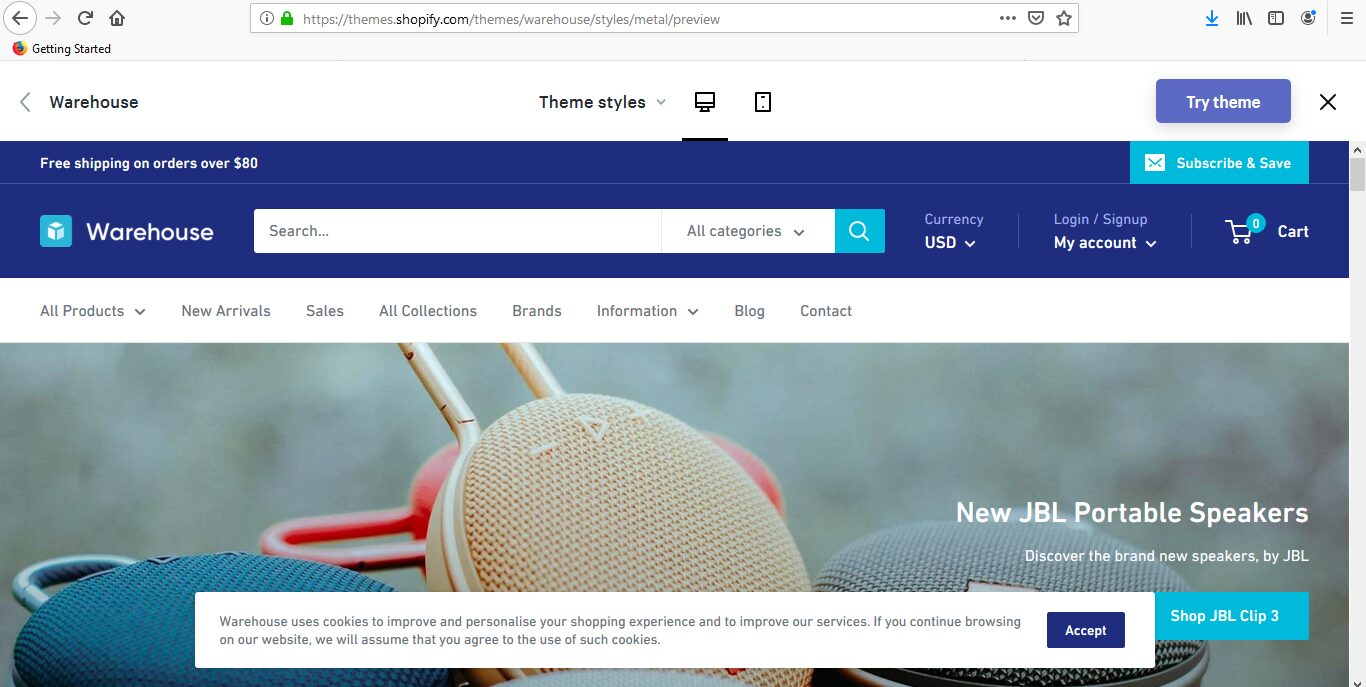
Where Envy suits smaller, characterful stores, Warehouse is the alternative for brands that have outgrown it. It is built for large catalogs, with advanced filtering, live search, and multi-column menus that keep hundreds of products shoppable. For a growing store that still wants personality, it trades some whimsy for serious catalog muscle.
Promotional tiles and stock indicators add the merchandising tools a bigger range needs.
Warehouse Highlights:
- Built for large, growing catalogs
- Advanced filtering and live search
- Multi-column menus for deep ranges
- Promotional tiles and stock indicators
Warehouse Usage Statistics
Warehouse usage at a glance, from our Shopify store dataset, refreshed daily.
See the Warehouse store data for its full adoption and catalog stats.
Warehouse Page Speed: Live Data
Empire
Ideal for: Structured, scaling stores
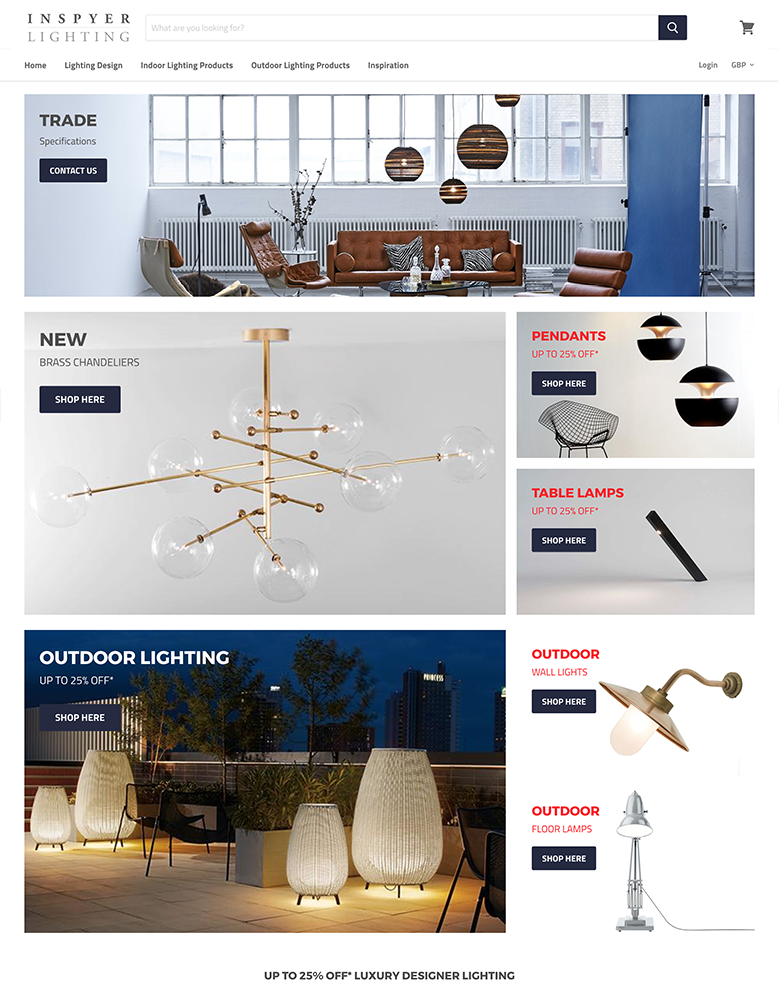
Empire is another strong Envy alternative for stores scaling up. Predictive search surfaces products as shoppers type, and product filters keep big collection pages usable, so a broad catalog stays easy to browse. It leans more structured than Envy, which suits a brand moving from playful to established.
A quick buy option keeps the path to checkout short even on a large store.
Empire Highlights:
- Predictive search for fast product lookup
- Filters for large collection pages
- Structured, established feel
- Quick buy to shorten checkout
See where Empire stands in the data.
Empire Usage Statistics
Empire usage at a glance, from our Shopify store dataset, refreshed daily.
Empire Page Speed: Live Data
Booster
Ideal for: All-in-one conversion

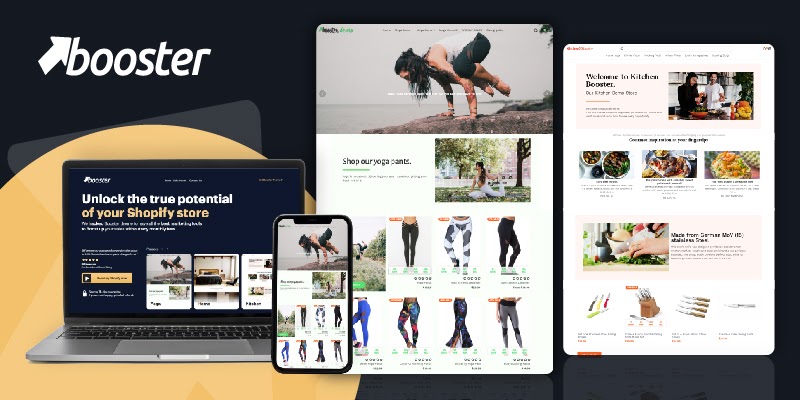
If what drew you to Envy was a complete, ready-to-sell setup, Booster is the conversion-first alternative. It bundles email capture, countdown timers, currency conversion, and popups into the theme, so you get marketing tools that would otherwise mean stacking apps. For an owner who wants everything in one place, it is the most self-contained option here.
It is aimed at sellers with no coding experience and is quick to launch.
Booster Highlights:
- Email capture, timers, and popups built in
- Conversion tools without extra apps
- Complete, ready-to-sell setup
- Beginner-friendly and fast
Booster Usage Statistics
Booster usage at a glance, from our Shopify store dataset, refreshed daily.
Booster Page Speed: Live Data
Beyond
Ideal for: Narrative, lifestyle brands
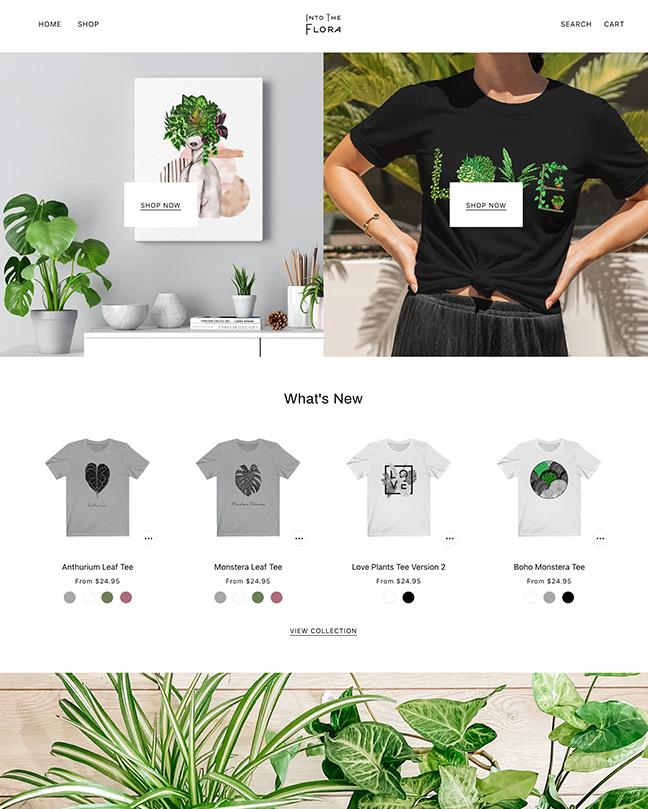
Beyond is the story-led alternative for brands that want more editorial depth than Envy offers. Its long-form sections and generous layouts suit labels that sell on narrative, lifestyle, and a strong point of view. It carries a high review score, so a brand leaning into content gets both polish and reliability.
Clean typography and roomy design give a considered brand space to breathe.
Beyond Highlights:
- Editorial, long-form sections
- Roomy, considered layouts
- High review score
- Suits story- and lifestyle-led brands
Beyond Usage Statistics
Beyond usage at a glance, from our Shopify store dataset, refreshed daily.
Beyond Page Speed: Live Data
Loft
Ideal for: Budget, simple catalogs
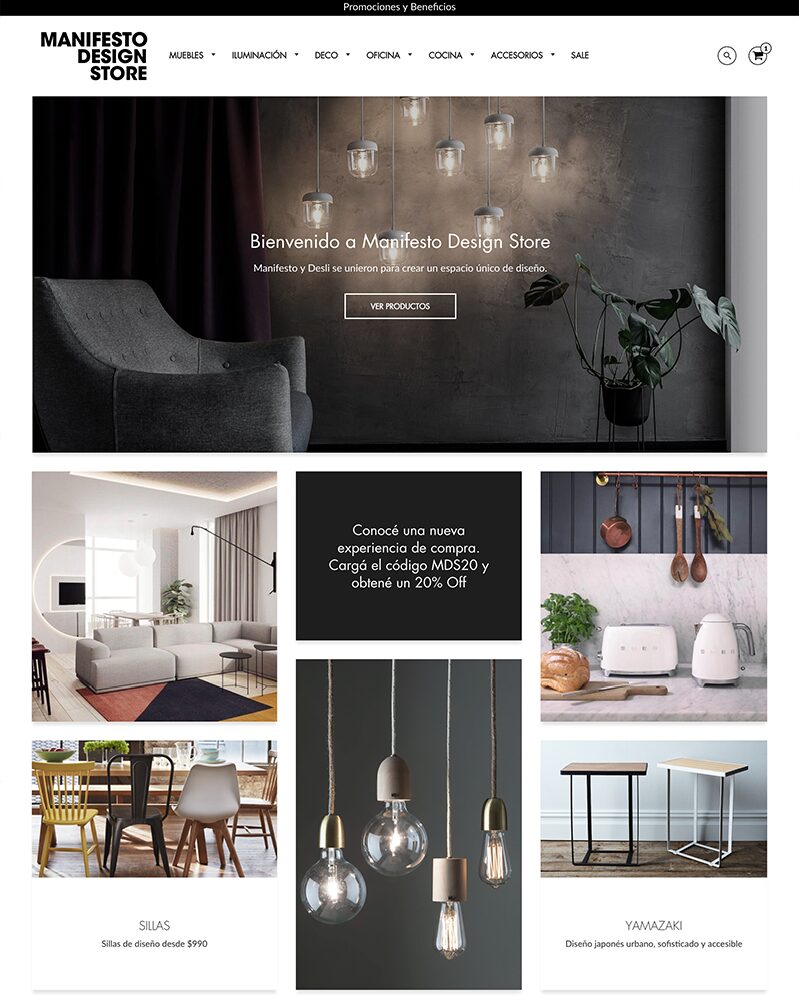
Loft is the budget alternative for anyone who liked Envy but wants a cleaner, cheaper grid. At the lowest price on this list, it keeps products front and centre in a tidy layout, which makes it an easy first store for a smaller brand. It is a simpler tool than the others here, but for a straightforward catalog it does the job well.
Its clean grid keeps a modest range looking sharp without much setup.
Loft Highlights:
- Lowest price on this list
- Clean grid, products front and centre
- Easy to set up for a smaller brand
- Straightforward catalog handling
Loft Usage Statistics
Loft usage at a glance, from our Shopify store dataset, refreshed daily.
-
Do Envy Shopify theme alternatives offer unique features for international markets?
Yes, alternative themes to the Envy Shopify theme often include features designed to cater to international markets. These can include localized content, currency converters, and global shipping options.
-
Can alternative themes to Envy enhance the checkout process for customers?
Absolutely, alternative themes to the Envy Shopify theme prioritize a seamless and user-friendly checkout experience. This reduces cart abandonment and enhances the overall purchasing experience for customers.
-
Do Envy Shopify theme alternatives support dropshipping and third-party apps?
Yes, many alternative themes to the Envy Shopify theme are designed to seamlessly integrate with dropshipping platforms and third-party apps. This flexibility is crucial for expanding business operations.
-
Why switch from the Envy Shopify theme?
Store owners usually move on from Envy for one of three reasons: a growing catalog that needs stronger filtering and search, a desire for more editorial and storytelling depth, or a preference for built-in conversion tools instead of stacking apps. The alternatives on this list each answer one of those needs.
-
Which Envy alternative is best for a large catalog?
Warehouse and Empire are the strongest picks for large or growing catalogs. Both include advanced filtering, search, and multi-column menus that keep hundreds of products shoppable, where Envy can feel light. Broadcast also scales well if you want editorial polish alongside the catalog.
-
Do I have to rebuild my store to switch from Envy?
Switching themes does not delete your products, collections, or orders, since those live in Shopify, not the theme. You will need to reconfigure the homepage, menus, and settings in the new theme, and re-add any theme-specific content. Preview the new theme first and rebuild the key pages before publishing.
Choosing Your Envy Alternative
The strong Envy alternative depends on why you are switching. Broadcast and Beyond give editorial depth for story-led brands, Warehouse and Empire handle large, growing catalogs, and Booster bundles conversion tools for an all-in-one store. Loft is the budget option for a clean, simple grid.
Whichever you pick, keep the store fast and the design consistent. Browse more options in our clothing themes and full Shopify themes guides.