Prestige Shopify Theme Review
Last modified: September 17, 2026

| # | Image | Name | Price | Reception | Adoption | CWV pass rate |
|---|---|---|---|---|---|---|
| 1 |
|
Prestige - Prestige
|
$400 | (869) | 4.4% | 78.8% |
| 2 |

|
Prestige - Couture
|
$400 | (869) | 4.4% | 78.8% |
| 3 |

|
Prestige - Vogue
|
$400 | (869) | 4.4% | 78.8% |
| 4 |
|
Prestige - Strass
|
$400 | (869) | 4.4% | 78.8% |
| 5 |
|
Prestige - Signature
|
$400 | (869) | 4.4% | 78.8% |
|
Show More
|
||||||
Quick Comparison
| Style | Look and Feel | Ideal For | Standout |
|---|---|---|---|
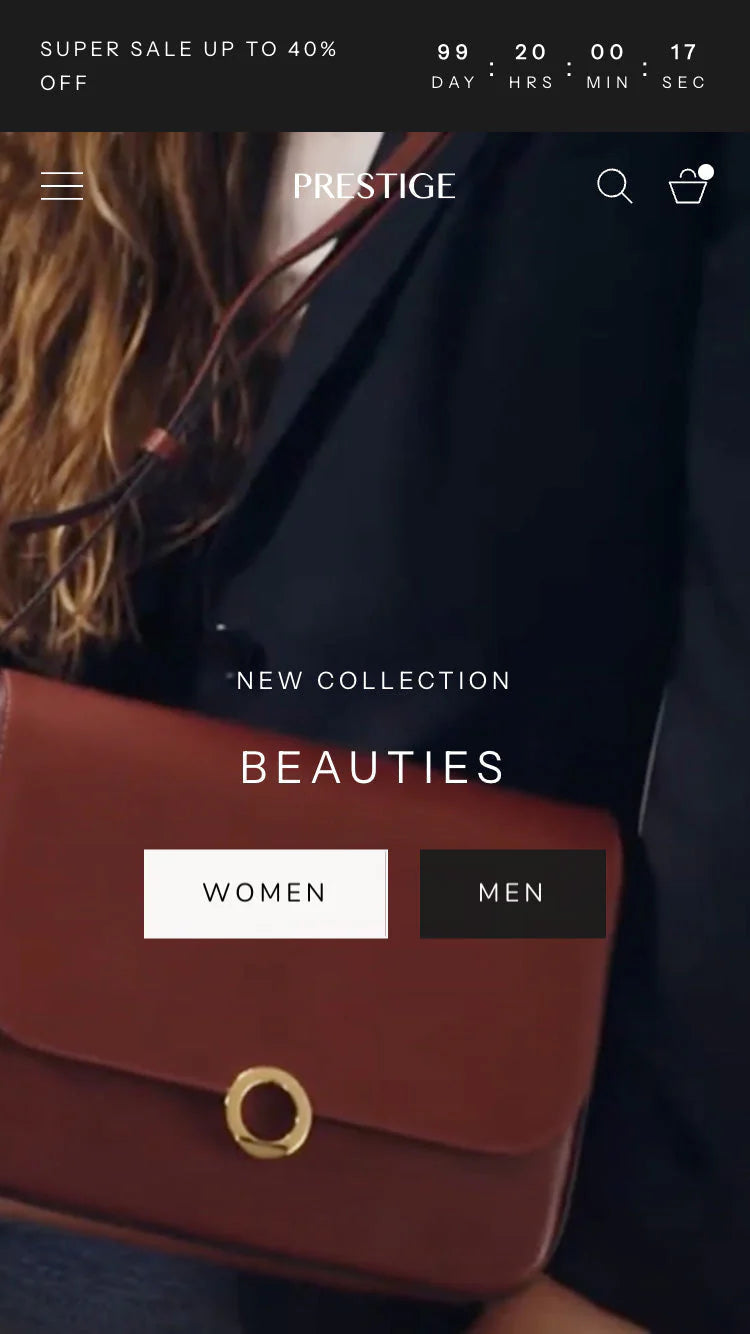
| Prestige | Balanced, editorial, versatile | Most premium brands, a safe default | The flagship, flexible base |
| Couture | Bold and fashion-forward, high contrast | Designer apparel and runway collections | Large display type |
| Vogue | Clean and minimal, white-dominant | Modern beauty and understated luxury | Generous whitespace |
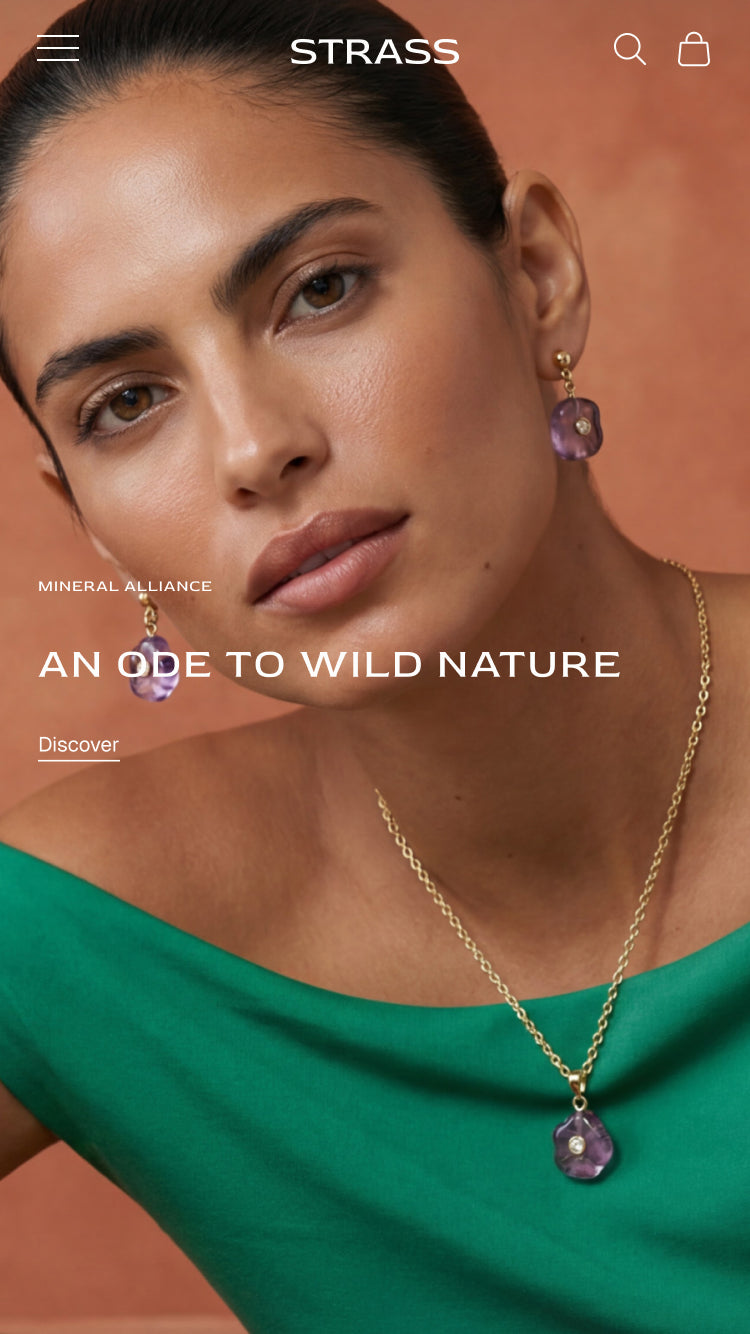
| Strass | Detailed, with sparkle and close-up focus | Jewellery, watches, and fine accessories | Built for small, high-value products |
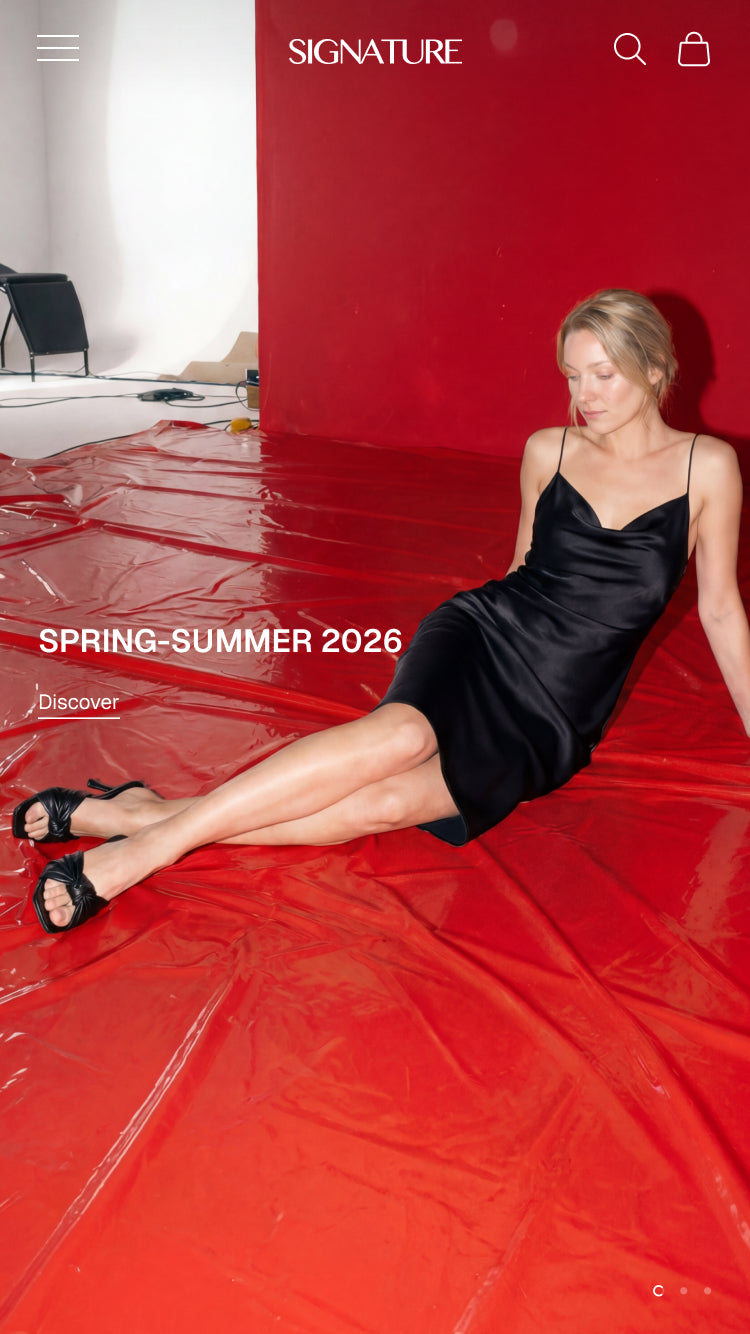
| Signature | Refined, brand-forward, magazine-like | Lifestyle and heritage stores | A considered editorial feel |
All five styles are included in the single Prestige purchase. You can switch between them, or mix elements, from the theme settings without rebuilding your store.
Data first, opinion second: we track usage across 3.5+ million Shopify stores daily, and have since 2017. The stats tell us what merchants actually use; our editors rank the final picks by quality, pricing, and fit.
Prestige - Prestige
Prestige is the flagship look and the safest default of the five styles: balanced, editorial and versatile. It suits most premium brands that want a considered, high-end store without committing to a single strong aesthetic. You buy the theme once and can switch between styles or mix elements from the theme settings.
Highlights
- Balanced, editorial layout that works across most luxury and premium niches
- The most versatile starting point of the five styles
- Holds up well on mobile with default settings
Prestige - Couture
Couture is the bold option: darker tones, full-screen media, and confident typography. It attracts stores where the brand identity matters as much as the product itself, such as apparel drops, limited editions, designer-adjacent streetwear, and high-fashion beauty. Where Vogue whispers, Couture is built to make a launch feel like an event.
Highlights
- Full-width video and autoplay for cinematic launches
- Best suited to drops, limited editions, and brand-first sellers
- A designer-release aesthetic rather than a standard retail look
Prestige - Vogue
Vogue is the minimalist option: white-dominant, sharp serif headings, and generous whitespace. It is built for stores where the image is the entire story, such as luxury jewelry, high-end fashion photography, and editorial-driven beauty. Picking Vogue is a statement of confidence, because the design sells on imagery alone and does not lean on urgency or countdown tools to close the sale.
Highlights
- Restraint-first design where product photography carries the experience
- Sharp serif typography tuned for a gallery feel
- The cleanest and most editorial of the five styles
Prestige - Strass
Strass is styled for jewellery, watches and fine accessories, where small, high-value products need close-up detail and sparkle. The layout is built to show intricate craftsmanship at scale, so macro photography and material detail lead the page. It fits fine jewellers and premium accessory brands that sell on precision and shine.
Highlights
- Tuned for small, high-value products that reward close-up detail
- Best suited to jewellery, watches and fine accessories
- Puts craftsmanship and sparkle at the centre of the page
Prestige - Signature
Signature is a refined, brand-forward layout for lifestyle and heritage stores that want a considered, magazine-like feel. It leans on storytelling and editorial pacing rather than urgency, so the brand identity carries as much weight as the product. It suits established lifestyle labels and heritage brands with a story to tell.
Highlights
- Magazine-like, editorial pacing that foregrounds brand story
- Best for lifestyle and heritage brands rather than fast-moving retail
- Refined, brand-first aesthetic over promotional urgency
-
What are the different Prestige theme styles?
Prestige ships five styles that are distinct design directions rather than colour swaps. Prestige is the flagship, balanced editorial look that suits most premium brands. Couture is the boldest, with stronger contrast and larger display type for designer-led apparel. Vogue is the cleanest and most minimal, white-dominant with generous whitespace, ideal for modern beauty. Strass is styled for jewellery, watches and fine accessories, and Signature is a refined, brand-forward layout for lifestyle and heritage stores. You can switch between them from the theme settings without rebuilding the store.
-
How much does the Prestige Shopify theme cost?
Prestige is a $400 one-time purchase from the Shopify Theme Store at the premium-theme price tier. That single fee covers the theme, all five styles (Prestige, Couture, Vogue, Strass and Signature), free updates while you use it on one storefront, and access to Maestrooo’s documentation and support channels. There’s no subscription, no per-feature paywall, and no recurring license cost for the first store. A second storefront requires a separate license, which is standard practice for paid Shopify themes.
-
Is the Prestige Shopify theme fast?
Prestige is heavier than minimal themes like Shopify’s free Dawn, that’s the trade-off for the editorial features and rich product pages. On default settings with properly compressed images, most Prestige stores pass Google’s Core Web Vitals on mobile (LCP under 2.5s, INP under 200ms, CLS under 0.1). The settings panel exposes more performance controls than most premium themes, including lazy-loading toggles and preset speed modes, so it’s tunable. Like every theme, performance degrades if you stack autoplay video backgrounds, multiple carousels, and a dozen heavy app embeds.
-
What are the best alternatives to the Prestige Shopify theme?
The closest alternatives in the same premium tier are Symmetry (same Maestrooo studio, more flexible for varied product types beyond strict luxury), Enterprise (broader feature set for larger catalogs while keeping a premium feel), and Concept (strong editorial bones at a slightly different aesthetic angle). All three are worth a side-by-side comparison if Prestige’s editorial direction doesn’t fit your brand, and our Prestige alternatives guide lines them up on price, rating and best use. For a free option, Shopify’s Dawn theme is much lighter and free, but it lacks Prestige’s editorial section types and rich product page features - different tier, different use case.
-
Is the Prestige theme good for luxury brands?
Yes, Prestige is one of the most popular Shopify themes for luxury, fashion, jewelry, and beauty brands. Its image-forward layouts, refined typography, and editorial section blocks are built specifically for premium presentation. If you sell high-consideration or high-ticket products and want the storefront to feel upmarket without custom development, Prestige is a strong fit.
-
Can I switch between Prestige presets after buying?
Yes. A single Prestige purchase ($400) gives you access to all five styles (Prestige, Couture, Vogue, Strass and Signature), and you can switch between them or mix elements at any time from the theme editor. You only pay once per store, so you’re free to restyle as your brand evolves without buying the theme again.
Conclusion: Is Prestige Worth $400?
For luxury, fashion, and premium brands, Prestige is one of the strongest themes available in the Shopify Theme Store. The editorial layouts, five distinct styles, and high-quality default UX are built specifically for high-ticket products where visual presentation drives purchasing decisions.
The five styles cover different brand identities: Prestige as the versatile flagship, Couture for bold and cinematic, Vogue for minimal and editorial, Strass for jewellery and fine accessories, and Signature for refined, magazine-like lifestyle brands. You can switch between them or mix elements without rebuilding from scratch.
For the full adoption trends, performance benchmarks, and store type breakdowns, see our Prestige stats page.
For brands that want to compare similar options in the same premium tier, see our Symmetry, Enterprise, and Concept theme reviews.
For the full range of fashion and luxury Shopify theme options, see our Shopify themes for fashion brands roundup.
Or browse the complete list at our Shopify theme reviews guide.