Pipeline Shopify Theme Review
Last modified: October 1, 2026

| # | Image | Name | Price | Reception | Adoption | CWV pass rate |
|---|---|---|---|---|---|---|
| 1 |
|
Pipeline - Petra
|
$360 | (209) | 0.7% | 69.4% |
| 2 |
|
Pipeline - Phantom
|
$360 | (209) | 0.7% | 69.4% |
| 3 |

|
Pipeline - Pahoa
|
$360 | (209) | 0.7% | 69.4% |
|
Show More
|
||||||
The Pipeline Shopify theme is a premium theme from Groupthought known for a clean, minimalist look that puts products front and center. It strips away clutter so photography and typography carry the store, which suits focused, brand-led catalogs more than sprawling ones. It comes as 4 styles, Pipeline, Pahoa, Petra, and Phantom, so the same tidy foundation can read as crisp and modern or warm and bold. This review looks at what merchants actually run Pipeline for, how it performs across real stores, and how it holds up against other premium themes.
So what does the data say? Across the Shopify stores in our dataset, Pipeline holds a steady place among premium themes, and the merchants who use it rate it highly. Because it is paid, every install is a deliberate choice, which makes its adoption a stronger signal than a free default.
Quick Overview
- Developer: Groupthought
- Styles included: Pipeline, Pahoa, Petra, Phantom
- Ideal for: Focused, design-led brands that sell on look and feel
- OS 2.0: Yes
- Where to buy: Shopify Theme Store
What Apps Merchants Install on Pipeline Stores
When a store commits to Pipeline, what does it build around the theme? The live data below shows the apps that most often run alongside it:
| Rank | App | % of stores | Category |
|---|---|---|---|
| 1 | Klaviyo | 52.1% | Email Marketing |
| 2 | Judge.me Product Reviews App | 33.1% | Product reviews |
| 3 | Shop Pay | 25.1% | Payment options - Other |
| 4 | Loox ‑ Product Reviews App | 19.8% | Product reviews |
| 5 | Recharge | 12.9% | Subscriptions |
| 6 | Yotpo | 12.7% | Product reviews |
| 7 | Swym Wishlist | 11.7% | Wishlists |
| 8 | Rebuy Personalization Engine | 10.6% | Checkout - Other |
| 9 | Instafeed ‑ Instagram Feed | 10.5% | Marketing - Other |
| 10 | Gorgias | 9.5% | Support - Other |
The stack reads like a considered, design-led DTC store. Email and marketing automation lead, so these merchants treat owned channels as a core part of the plan. Product reviews are well represented, because a minimal storefront still leans on social proof to build trust. Urgency and content tools round it out. Taken together, it describes brands that invest in presentation, not quick experiments.
Pipeline’s Adoption Data
Here is where Pipeline lands across the broader Shopify theme market:
The cards show its share of stores, its rank, and the average app count and catalog size of the stores running it. For a premium paid theme, that is a meaningful position, and it reflects merchants who researched the choice and paid for a clean, focused base rather than defaulting to a free theme. The fuller breakdown, including the verticals Pipeline shows up in most, lives on our Pipeline theme statistics page.
How Pipeline Compares
Adoption is only half the story. Here is how Pipeline stacks up against the rest of the field:
The callouts put Pipeline in context against the wider dataset. Read alongside its app profile, they describe a theme chosen by brands that lead with design and are happy to extend it with a few tools.
Is Pipeline gaining or fading?
One thing no other Pipeline write-up can tell you: we detect themes on live stores, so we can watch its adoption move over time. The trend below tracks Pipeline across the Shopify stores in our dataset.
Pipeline has climbed from 0.6% to 0.7% of Shopify stores in our dataset over recent months.
The direction is worth being honest about. Pipeline holds a small, steady share rather than a growing one, as newer frameworks arrive with more built in. That does not make it a weak theme. It makes it a mature, well-liked one. If its clean, minimal feel fits your brand, it still delivers.
What Buyers Actually Say
Ratings are where Pipeline stands out. On its Shopify Theme Store listing, the large majority of reviews are positive, across a couple of hundred reviews. That is a strong score, and a different picture from the free defaults, where the positive share often sits closer to a third.
The gap is not really about code. A paid theme like Pipeline is only installed on purpose, by merchants who researched the choice and were happy to pay. That self-selection lifts the score, and it tells you something real: the people who choose Pipeline tend to be glad they did. The few complaints usually point at scope, that a growing store wants more built-in features, not that the theme is broken.
Pipeline’s 4 Styles at a Glance
The 4 styles share the same foundation with different moods. Pick based on the feel you want:
- Pipeline is the signature look: clean, minimal, and product-first.
- Pahoa leans warmer and more editorial, with a softer, lifestyle feel.
- Petra is bolder and more product-forward, suited to brands that want more punch.
- Phantom is dark and high-contrast, for a moody, premium look.
All four come with the single license, and you switch between them in the theme editor.
Who Pipeline Is For
The data points to a clear profile. Pipeline works well for stores that meet most of these conditions:
- Design-led brands that sell on a clean, confident look.
- Beauty, fashion, and lifestyle stores: categories where aesthetic drives the purchase.
- Focused catalogs: Pipeline shines on a curated range, less so on a sprawling one.
- Stores with strong photography: the minimal design needs real imagery to land.
Pipeline is not the right fit for high-SKU general stores, B2B or wholesale, or brands that need deep filtering and heavy merchandising built in.
What Pipeline Includes
- OS 2.0 sections on every page type, editable without code.
- Clean product and collection layouts that keep a small range feeling considered.
- Quick buy and slide-out cart for a smooth buy flow.
- Promotion and content blocks for campaigns and storytelling.
- Predictive search and clear navigation.
- Mobile-first responsive design.
What to Know Before Buying
- Photography carries it. Pipeline’s minimal aesthetic depends on strong imagery. On a thin catalog, the white space feels empty rather than intentional.
- It favors focus over features. Deep filtering and heavy merchandising are light, so a large store leans on apps for them.
- Plan for growth. If you expect to scale into a big, complex catalog, weigh Pipeline against a theme built for range.
- Deep changes need Liquid. Standard for premium themes.
- Some advanced features run on apps. Subscriptions and advanced filtering lean on apps, as the adoption data above reflects.
View Pipeline on the Shopify Theme Store
Is Pipeline Right for Your Store?
Choose Pipeline if you are a design-led brand with a focused catalog and strong photography, and you want a clean, premium look without hiring a developer. Beauty, fashion, and lifestyle brands get the most from it.
Look elsewhere if your catalog is large and variant-heavy, you need deep filtering and merchandising built in, or you expect to scale into a marketplace-sized range. In those cases a heavier, more feature-rich theme will serve you better.
The through-line in the data is consistent. Pipeline is bought on purpose, runs on considered stores, and keeps a strong rating even as newer themes pull share. If its clean, minimal feel fits your brand, it is still a capable, well-liked choice.
For more options, see our Pipeline theme alternatives, or our complete guide to Shopify theme reviews.
Data first, opinion second: we track usage across 3.5+ million Shopify stores daily, and have since 2017. The stats tell us what merchants actually use; our editors rank the final picks by quality, pricing, and fit.
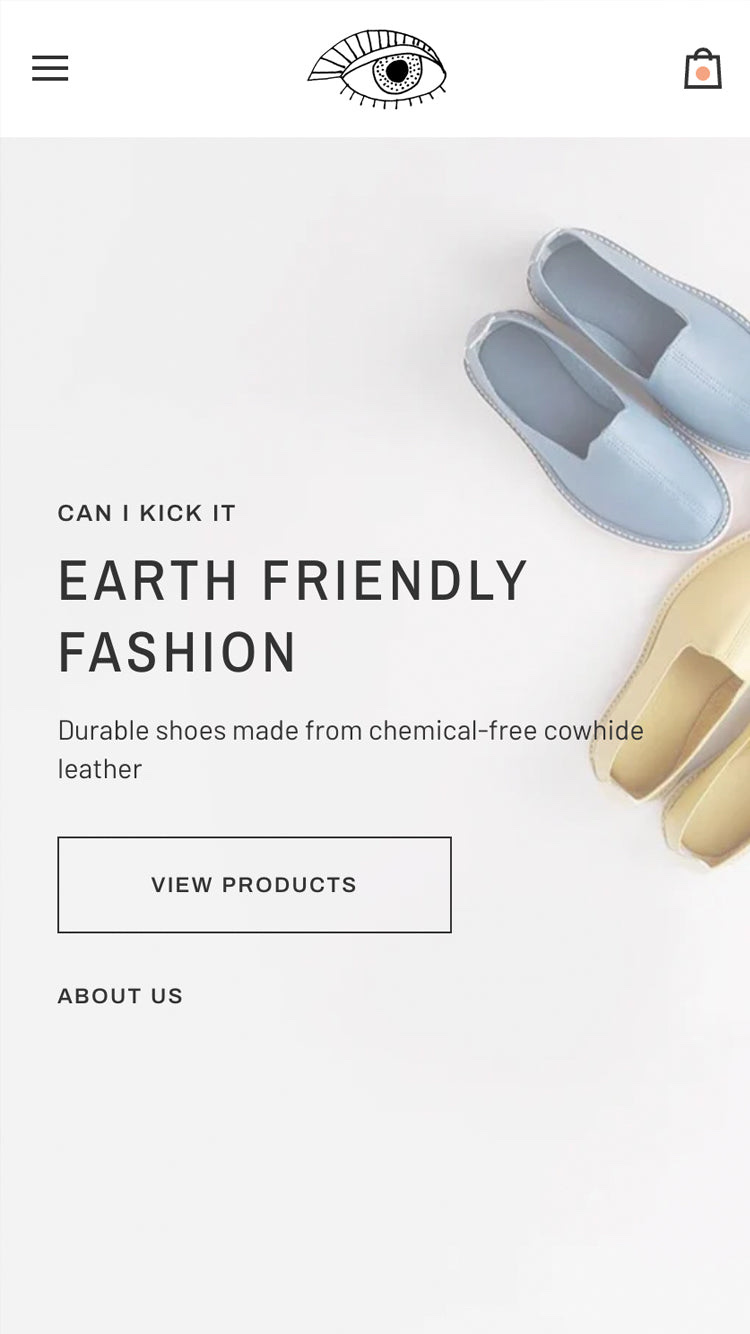
Pipeline - Petra
Minimal to the max, Petra is a dream layout for modern fashion brands, sustainable DTC goods, or anyone going all-in on function-first commerce. Its demo leads with earth-friendly footwear, and product grids dominate the layout, while hover animations and subtle transitions keep the experience polished. The product list page here is elite.
Petra highlights
- Filter-rich collection pages for high-SKU brands
- Simple CTA setup that emphasizes conversion
- Large swatches, sizing UI, and cart stickiness for high-volume checkout
- A full product storytelling zone with lifestyle and detail photo mix
Pipeline Page Speed: Live Data
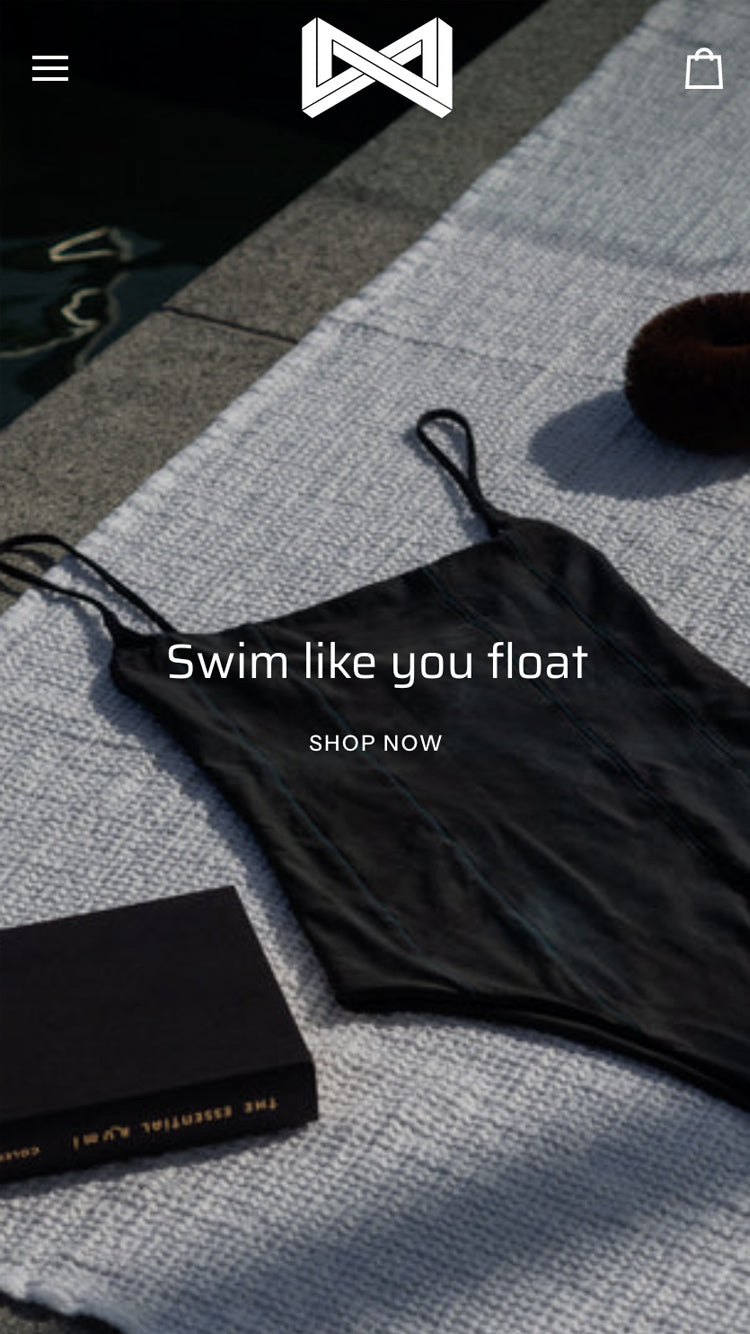
Pipeline - Phantom
Moody, bold, and dripping in editorial edge. Phantom is built for premium fashion brands, especially swimwear, lingerie, or high-end streetwear. Black backgrounds with grayscale overlays make every model and product image pop. Ideal for showcasing textures, body movement, and art direction.
Phantom highlights
- Full-width lifestyle imagery for a cinematic shopping experience
- Homepage video and gallery stack for storytelling through visuals
- Horizontal scrolling product cards for a “lookbook” effect
- Footer packed with press logos and eco/social responsibility callouts
Pipeline - Pahoa
Pahoa is the warm, minimal preset, built for beauty and skincare. Its demo pairs a soft, sandy palette with close-up skin imagery and plenty of quiet space, so it suits a skincare, cosmetics, or clean personal-care brand that sells on simplicity and routine. Product clarity leads, with calm typography and an unhurried layout.
Pahoa highlights
- Warm, minimal palette made for beauty and skincare
- Close-up product and skin imagery with generous white space
- Calm typography that keeps a focused range easy to scan
- Clean routine and ingredient storytelling sections
-
How much does the Pipeline Shopify theme cost?
Pipeline is a premium Shopify theme sold as a one-time license, with all 4 styles included in the single purchase. There is no recurring theme fee. You will still pay for any apps you add for features the theme does not cover, such as subscriptions or advanced filtering.
-
What styles come with Pipeline?
The license includes 4 styles: Pipeline, Pahoa, Petra, and Phantom. Each has its own mood, from clean and minimal to warm, bold, or dark. You switch between them in the theme editor without buying anything extra.
-
Who develops the Pipeline theme?
Pipeline is built by Groupthought and sold through the official Shopify Theme Store. That means it passes Shopify’s theme review and receives ongoing updates. Support comes from the developer.
-
Is Pipeline a good choice for a large catalog?
Pipeline is happiest with a focused, curated catalog where its clean layouts can shine. It is lighter on deep filtering and heavy merchandising, so a large, high-SKU store tends to lean on apps or outgrow it. If range and filtering are your priority, a heavier theme is a better fit.
-
Does Pipeline support Shopify OS 2.0?
Yes. Pipeline is built on Online Store 2.0, so you get sections and blocks on every page type, not just the homepage. You can rearrange layouts from the editor without touching code. Deeper changes still need Liquid.
-
Is Pipeline a fast theme?
Its minimal, lightweight design tends to load quickly, which is part of the appeal. As always, real speed depends on your images and the apps you add, so keep photography optimized and your app stack lean to hold that advantage.
Conclusion: Pipeline is Both Stylish and Conversion-Oriented
Pipeline isn’t a one-style-fits-all theme, it’s a flexible canvas for high-performance brands that care about aesthetics just as much as conversion.
Whether you’re telling a story through swimwear photos or showing off rows of eco-friendly footwear, Pipeline delivers a layout that’s equal parts editorial and eCommerce machine. It’s fast, lightweight, and built for growth. For some more Shopify theme inspiration, check out all of our Shopify theme reviews. And if you liked Pipeline, we think you’ll also like, Bullet, Empire, and Focal Shopify themes.
So, if you’re hunting for a Shopify theme that actually keeps up with your creative vision (without drowning your site speed), Pipeline’s got the range. Now the only question is: Dark, Bright, or Clean?