8 Best Fast Shopify Themes 2026
Last modified: October 11, 2026
| # | Image | Name | Price | Reception | Adoption | CWV pass rate |
|---|---|---|---|---|---|---|
| 1 |
|
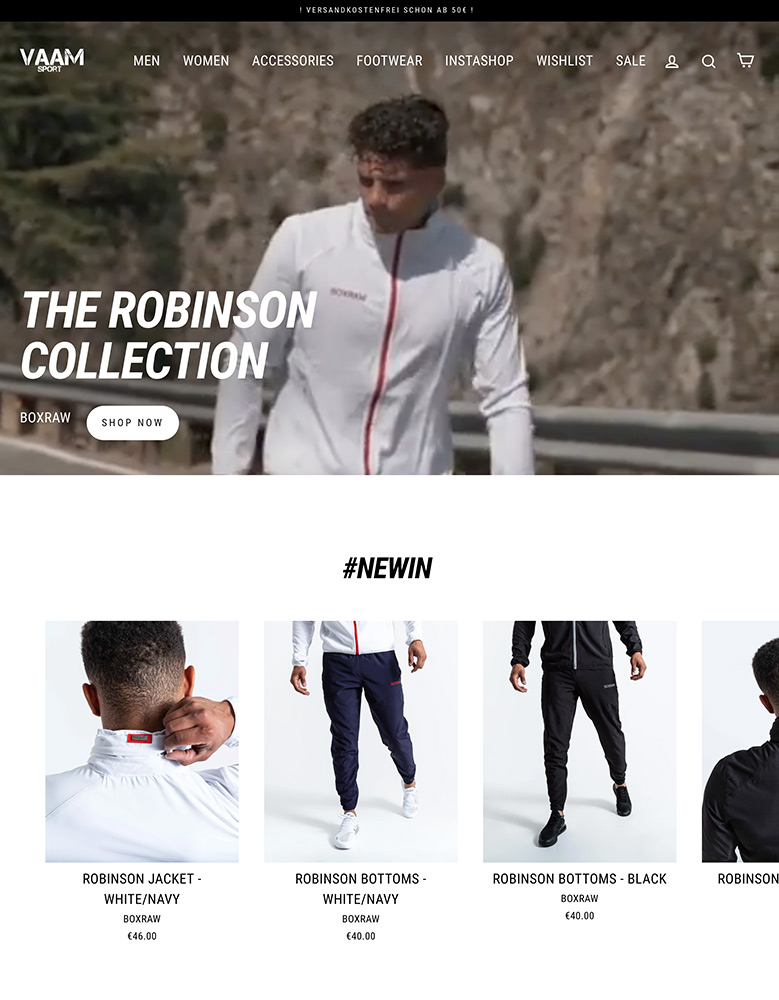
Streamline
|
$420 | (335) | 0.2% | 74% |
| 2 |
|
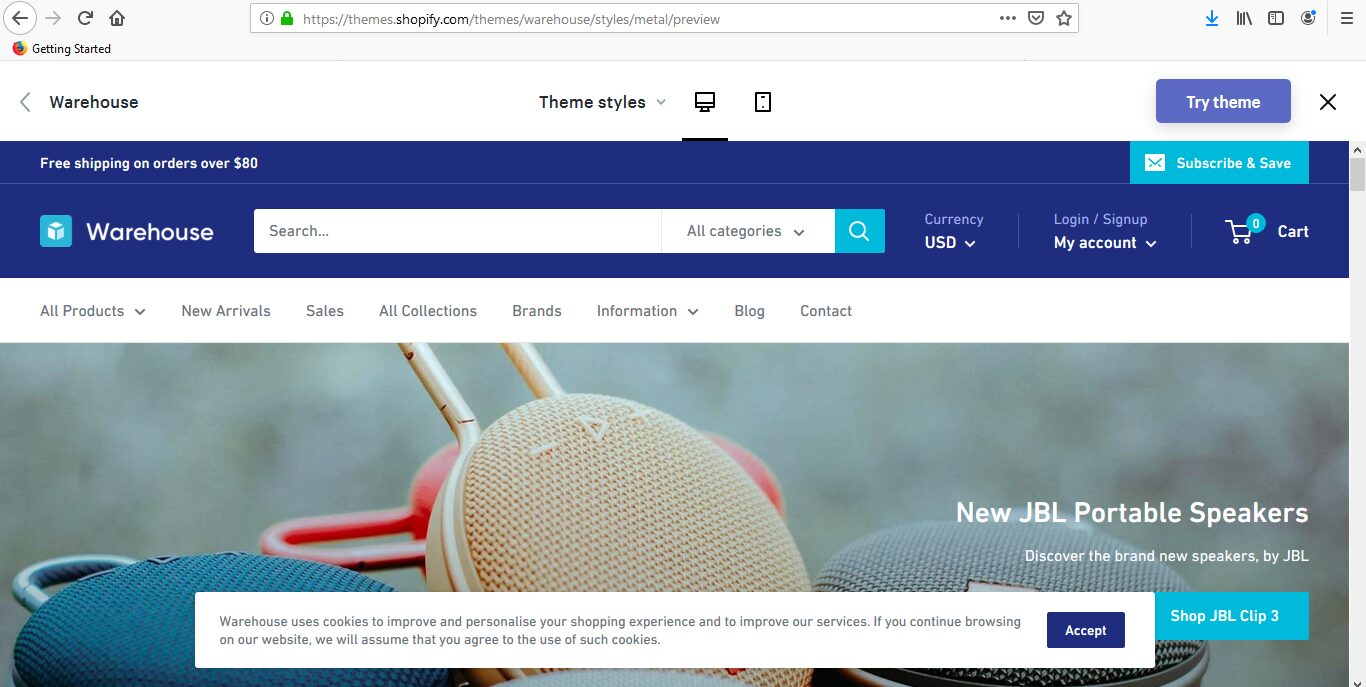
Warehouse
|
$320 | (325) | 0.8% | 66.8% |
| 3 |
|
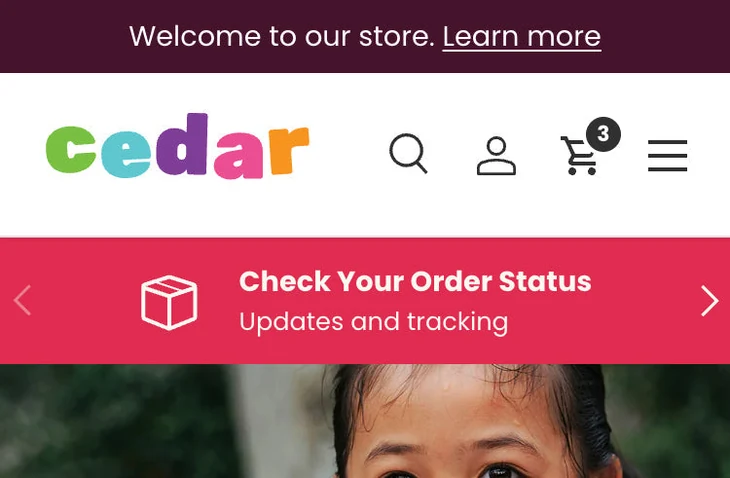
Canopy
|
$420 | (170) | 0.2% | 76% |
| 4 |
|
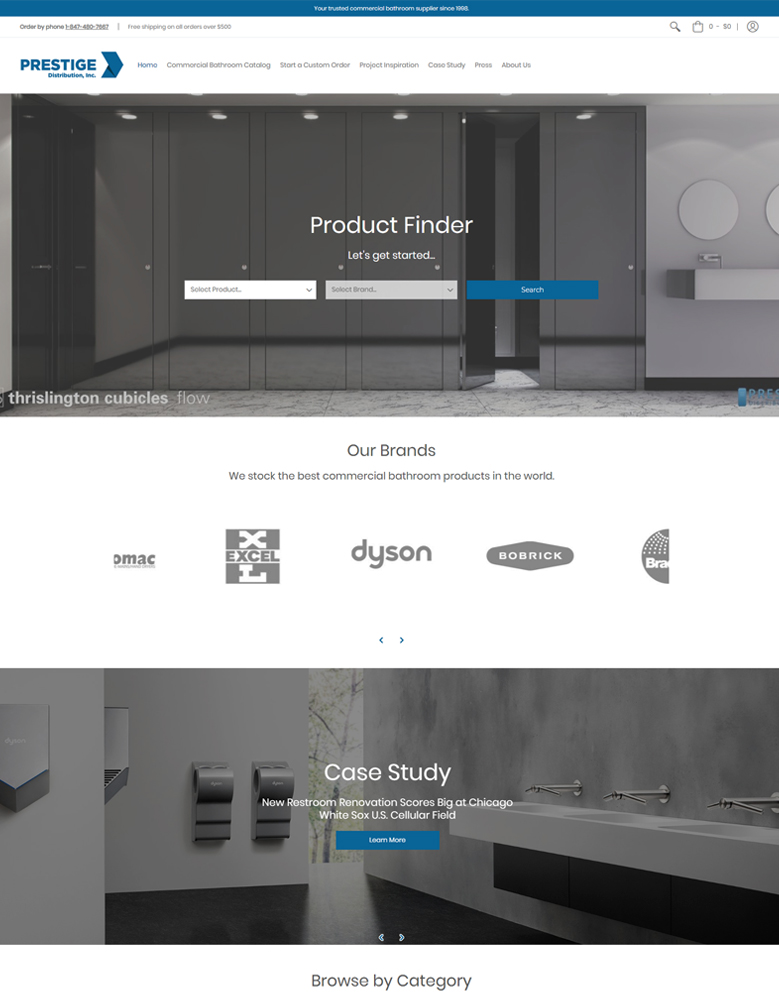
Avenue
|
$320 | (257) | <0.1% | 84.4% |
| 5 |
|
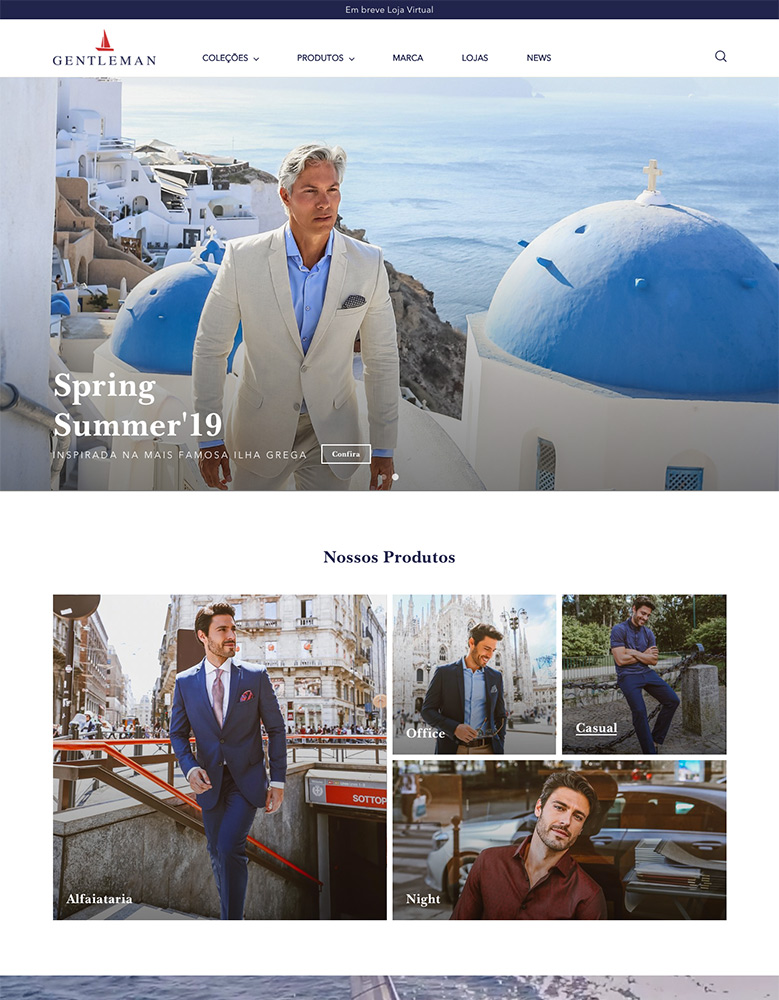
Motion
|
$420 | (557) | 0.8% | 64.5% |
| 6 |

|
Capital
|
$320 | (134) | 0.1% | 66.7% |
| 7 |
|
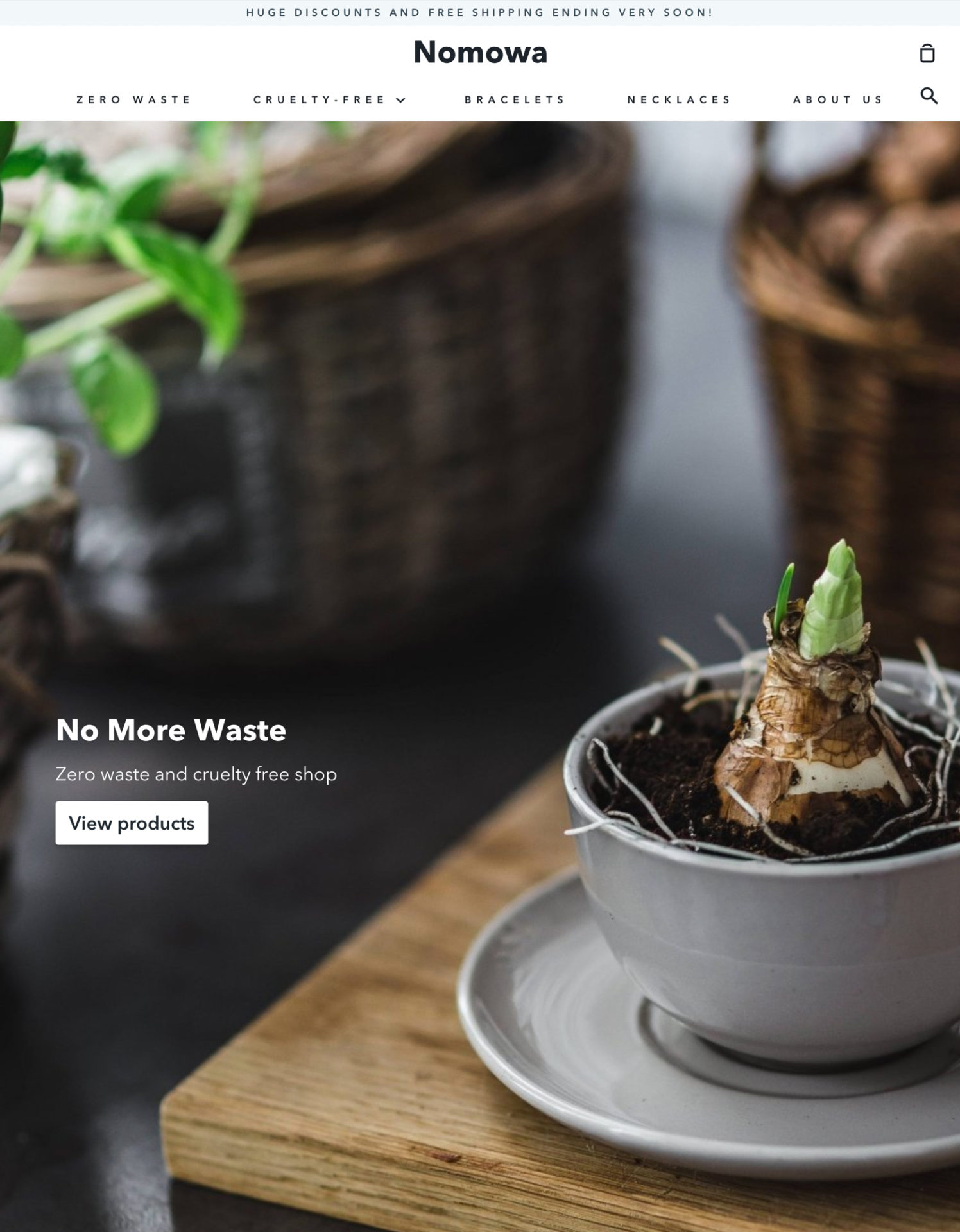
Story
|
$280 | (22) | 0.1% | 68.1% |
| 8 |

|
Zest
|
$330 | (233) | 0.2% | 70.1% |
|
Show More
|
||||||
Data first, opinion second: we track usage across 3.5+ million Shopify stores daily, and have since 2017. The stats tell us what merchants actually use; our editors rank the final picks by quality, pricing, and fit.
How These Themes Compare on Speed
| Theme | CWV pass rate | Few apps | Median LCP |
|---|---|---|---|
| Avenue | 84.4% | — | 1.7s |
| Canopy | 76% | 83.6% | 1.6s |
| Streamline | 74% | 85.7% | 1.6s |
| Zest | 70.1% | 78% | 1.9s |
| Story | 68.1% | — | 1.8s |
| Warehouse | 66.8% | 76.9% | 1.7s |
| Capital | 66.7% | 82.4% | 2s |
| Motion | 64.5% | 71.7% | 2.1s |
Streamline
Streamline is a paid Shopify Theme Store theme built around a clean, image-first editorial layout: roomy product pages, calm typography and three preset design variations that give a store a launched look on day one. Speed is one of its selling points because the templates ship lean, and the theme uses native Shopify sections rather than heavy custom components.
Based on live scan data across the Shopify stores in our dataset that run Streamline, its Core Web Vitals pass rate holds up on real product catalogs, not just on the theme demo. The live snapshot below shows how it performs in the field, and the full Streamline store data page covers the store types and themes it runs on.
Streamline Highlights:
- Mobile-first design with three preset styles
- Roomy product pages and image-first homepage sections
- Native Shopify sections rather than heavy custom components
- Suits image-driven categories: apparel, home, gadgets, lifestyle
- Paid one-time Theme Store purchase
Across 136 real Streamline stores, 74% pass Google’s Core Web Vitals (median LCP 1.6s). Filtered to stores running only a few apps, that rises to 85.7%, isolating the theme’s own speed from the apps merchants pile on.
Streamline Page Speed: Live Data
Warehouse
Warehouse is a paid Shopify Theme Store theme built for large catalogs where the store owner needs to promote wide product ranges quickly. Custom promotion tiles, filterable collection pages and a layout that scales to hundreds of SKUs are the pitch, and the theme keeps its speed by using efficient filtering rather than piling on JavaScript.
Based on live scan data across the Shopify stores in our dataset that run Warehouse, it holds up in the field on the kind of large catalog it is built for. The live snapshot below shows its Core Web Vitals pass rate on real product pages.
Warehouse Highlights:
- Built for large catalogs with many SKUs and variants
- Custom promotion tiles for sale campaigns and featured ranges
- Efficient collection filtering that scales past 500 products
- Suits big-catalog verticals: fashion, sporting goods, hardware
- Paid one-time Theme Store purchase
Across 663 real Warehouse stores, 66.8% pass Google’s Core Web Vitals (median LCP 1.7s). Filtered to stores running only a few apps, that rises to 76.9%, isolating the theme’s own speed from the apps merchants pile on.
Warehouse Page Speed: Live Data
Canopy
Canopy is a paid Shopify Theme Store theme built for image-first, catalog-heavy stores that need real-world speed rather than a lab-only PageSpeed score. It ships with three ready-made designs, section-based product pages, and enough merchandising room to hold up as the catalog grows.
What earns its slot on a fast-themes list is where its Core Web Vitals numbers actually sit. On the Canopy stores in our dataset, Chrome UX Report field data shows the theme outperforming most of what we track, with a strong pass rate across LCP, INP and CLS. On the lightly-loaded cohort, where merchant app stacks are not sitting on top of the theme, Canopy climbs higher still: this is a theme built for speed, not one that only scores well on an empty demo.
Canopy Highlights
- Three ready-made designs geared for image-first, catalog-driven brands
- Field-level Core Web Vitals pass rate above most Shopify themes in our dataset
- Suits catalog-heavy verticals: fashion at scale, home and lifestyle, health-and-beauty
- Paid one-time Theme Store purchase
Across 139 real Canopy stores, 76% pass Google’s Core Web Vitals (median LCP 1.6s). Filtered to stores running only a few apps, that rises to 83.6%, isolating the theme’s own speed from the apps merchants pile on.
Canopy Page Speed: Live Data
Avenue
Avenue is a paid Shopify Theme Store theme designed for stores that need fast browsing across a large product range without losing polish. Advanced product filtering, quick-view popovers on collection pages and a layout built to keep customers moving are its differentiators, and it does that without the render-blocking scripts that slow bigger themes down.
Based on live scan data across the Shopify stores in our dataset that run Avenue, its speed holds up on real filterable collection pages. The live snapshot below shows the field pass rate.
Avenue Highlights:
- Advanced product filtering on collection pages
- Quick-view popovers so shoppers browse without page loads
- Fast collection browsing on large catalogs
- Suits verticals with heavy filtering: apparel, cosmetics, gadgets
- Paid one-time Theme Store purchase
Across 34 real Avenue stores, 84.4% pass Google’s Core Web Vitals (median LCP 1.7s).
Avenue Page Speed: Live Data
Motion
Motion is a paid Shopify Theme Store theme that combines native video sections and storytelling layouts with a fast baseline: a rare combination since most video-heavy themes carry a Core Web Vitals penalty from autoplay and script weight. Motion loads video lazily, so a store can use hero video without paying the full speed cost on first paint.
Based on live scan data across the Shopify stores in our dataset that run Motion, it keeps its Core Web Vitals pass rate solid despite the video content. The live snapshot below shows the field data.
Motion Highlights:
- Native video sections for hero and product pages
- Lazy-loaded video that does not block first paint
- Storytelling layouts for brand-first stores
- Suits verticals where video sells: fashion, lifestyle, food, beauty
- Paid one-time Theme Store purchase
Across 427 real Motion stores, 64.5% pass Google’s Core Web Vitals (median LCP 2.1s). Filtered to stores running only a few apps, that rises to 71.7%, isolating the theme’s own speed from the apps merchants pile on.
Motion Page Speed: Live Data
Capital
Capital is a paid Shopify Theme Store theme built for large-catalog stores that need a multi-column mega-menu, deep filtering and a browsing pattern more like a department store than a boutique. It ships with the layout patterns that big catalogs need without adding the render-blocking weight most large-catalog themes carry.
Based on live scan data across the Shopify stores in our dataset that run Capital, its speed pattern matches the theme’s big-catalog audience: solid in the field on real stores with hundreds of SKUs. The live snapshot below shows how it holds up.
Capital Highlights:
- Multi-column mega-menu for catalog-heavy stores
- Deep collection filtering on real product ranges
- Department-store browsing patterns
- Suits big-catalog verticals: home goods, electronics, sporting goods, tools
- Paid one-time Theme Store purchase
Across 43 real Capital stores, 66.7% pass Google’s Core Web Vitals (median LCP 2s). Filtered to stores running only a few apps, that rises to 82.4%, isolating the theme’s own speed from the apps merchants pile on.
Capital Page Speed: Live Data
Story
Ideal for: Story-led editorial brands
Story is a paid Shopify Theme Store theme built around narrative product pages: long-scroll layouts, editorial sections and content-rich product templates for stores that sell products with a story rather than a spec sheet. The trick is that Story keeps its speed despite the long pages, by loading below-the-fold sections lazily and keeping the top of the page lean.
Based on live scan data across the Shopify stores in our dataset that run Story, its Core Web Vitals pass rate holds up on real long-scroll pages. The live snapshot below shows the field data.
For a full walkthrough of Story’s setup, pros and cons, see our Story theme review.
Story Highlights:
- Long-scroll product pages with editorial sections
- Lazy-loaded below-the-fold content that keeps first paint fast
- Content-rich templates for storytelling brands
- Suits verticals where the brand narrative sells: craft goods, wellness, artisan food, premium accessories
- Paid one-time Theme Store purchase
Across 51 real Story stores, 68.1% pass Google’s Core Web Vitals (median LCP 1.8s).
Story Usage Statistics
Story usage at a glance, from our Shopify store dataset, refreshed daily.
Story Page Speed: Live Data
Zest
Ideal for: mid-catalog stores that need real-world speed with a curated app stack
Zest is a paid Shopify Theme Store theme built for catalog-driven merchants who want a clean, section-based storefront without stacking apps to get there. It leans on category-first navigation, deep filters and editorial product pages, and it stays legible as the catalog grows.
Its speed shape is what puts it on this list. On real Zest stores, Chrome UX Report field data shows a solid pass rate across LCP, INP and CLS, and the lightly-loaded cohort climbs higher, which points to the theme itself having room to run once the app stack is not sitting on top of it.
Zest Highlights
- Clean, section-based storefront for catalog-driven stores
- Real-world Core Web Vitals pass rate above most Shopify themes we track
- Suits DTC brands with a curated app stack rather than a widget-heavy one
- Paid one-time Theme Store purchase
Across 113 real Zest stores, 70.1% pass Google’s Core Web Vitals (median LCP 1.9s). Filtered to stores running only a few apps, that rises to 78%, isolating the theme’s own speed from the apps merchants pile on.
Zest Page Speed: Live Data
-
How do regular updates enhance the performance of a Shopify theme?
Regular theme updates are crucial for compatibility with eCommerce trends, tech advancements, and enhanced performance and security. Frequent updates also ensure compatibility with the latest apps, balancing speed and functionality.
-
How do I choose the right fast Shopify theme for my online store?
Choosing the right fast Shopify theme involves considering your store’s specific needs, the theme’s load time, features, and user reviews to ensure optimal performance and user experience.
-
How does a theme’s code structure impact the speed of a Shopify store?
A streamlined and efficient code ensures rapid loading times by eliminating unnecessary elements. Themes with clean code provide an optimal balance between functionality and speed, ensuring a smooth user experience.
-
What is the fastest Shopify theme in 2026?
Speed depends on where you measure. On live Shopify stores in our dataset with real product catalogs and installed app stacks, several Shopify Theme Store themes hold a Core Web Vitals pass rate above the platform average. Streamline, Warehouse, Avenue, Motion, Capital and Story are the six we cover in this guide because their field pass rates hold up, not just their lab scores. The single fastest for your store depends on your catalog size and content shape; use the live snapshot on each card to compare like-for-like.
-
Does the Shopify theme I choose really affect site speed?
Yes, more than most owners realise. A slow theme sets a speed ceiling that no amount of app optimisation can raise, because the theme’s CSS, JavaScript and section templates ship with every page load. A fast theme with the same apps installed loads meaningfully faster than a slow one, and the difference shows up in Core Web Vitals, in bounce rate and eventually in ranking. Theme choice is the single biggest speed decision a Shopify store makes before installing anything.
-
How do I test my Shopify store’s speed?
Run three checks against a real product page and a real collection page, not just the homepage. First, Google PageSpeed Insights, which gives you a lab score and, when Chrome has enough traffic, real-world Core Web Vitals. Second, the Chrome UX Report data (our theme stats pages read from this) which shows what real shoppers experience across your public URLs. Third, Shopify’s Web Performance dashboard in the admin, which groups Core Web Vitals by page type. If the three disagree, trust the field data over the lab.
-
Does adding apps to a fast Shopify theme make it slow?
It can. Every app installed on a Shopify store either injects scripts, adds sections to the theme, or does both. Apps built as theme app extensions add negligible weight because they load in the render pipeline; apps built the old way (script tags injected into every page) add blocking requests that compound with every install. A fast theme running six overlapping conversion apps will fail Core Web Vitals; a fast theme running two well-scoped apps will still pass. Audit your app stack alongside your theme choice.
-
What makes a Shopify theme fast in 2026?
Consistent traits across fast themes: lean CSS and JavaScript that ships only what the page needs, native image handling with responsive sizing and modern formats (WebP/AVIF), theme app extensions instead of script-injected apps, minimal custom fonts (one or two families at narrow weight ranges), and section-based architecture that loads only what a given page uses. A theme that ticks these boxes will hold its field Core Web Vitals pass rate across the Shopify stores in our dataset that run it.
Choosing your fast Shopify theme
Match theme to catalog and content shape. Streamline suits an image-first mid-market DTC store; Warehouse and Capital hold up on big catalogs where filtering is the primary browse pattern; Avenue fits stores that need advanced filtering without going enterprise-scale; Motion is the pick when hero video is part of the brand; Story fits long-form storytelling brands where product pages carry copy as well as photos. All six are Shopify Theme Store themes, one-time purchase, updated by their developers, and each carries a Core Web Vitals pass rate above the Shopify average in the field.
Whichever you pick, remember that a fast theme is the base layer, not the whole story: the apps you install, the images you upload and the third-party scripts you add all contribute to the final speed the shopper feels. For related reading, see our guides to diagnosing and fixing a slow Shopify store and theme settings that affect Shopify SEO.