7 Best Shopify Furniture Themes 2026
Last modified: June 14, 2026
| # | Image | Name | |
|---|---|---|---|
| 1 |
|
Booster
|
|
| 2 |
|
Pinnacle
|
|
| 3 |
|
Loft
|
|
| 4 |
|
Broadcast
|
|
| 5 |
|
Testament
|
|
| 6 |
|
Magic World
|
|
| 7 |
|
Streamline
|
|
|
Show More
|
|||
Our rankings aren't just opinions. They are based on proprietary detection data from 3.5 million+ Shopify stores, aggregated daily since 2017.
Booster

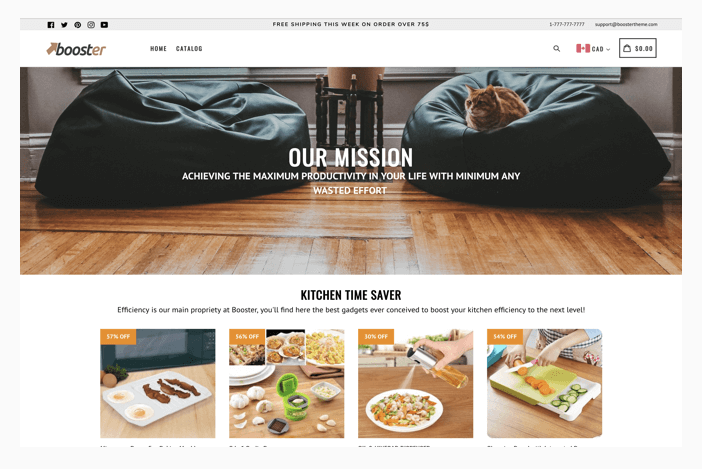
This is one of the best themes available on Shopify. It comes with a lot of features that make it more of a package than just a theme, including a countdown timer, social proof function and more.
According to the developers, Booster users could save more than $2000 a month. With these savings, you can also improve your brand’s sales potential. When you’re starting a website, this can be very helpful for maximizing returns.
The theme can also help you rank highly on search engines with beautiful layouts, designs and other SEO tools. An impressive website designed with this theme will certainly help to grow your business and it will perform well with any venture.
Booster Highlights:
- You can save up to $2,000 on apps with all the added functionality included.
- Reduce cart abandonments with a fast website.
- Great for SEO, improving page rank on Google and other search engines.
- Responsive theme design, so can be viewed perfectly on all devices and screen resolutions.
Pinnacle
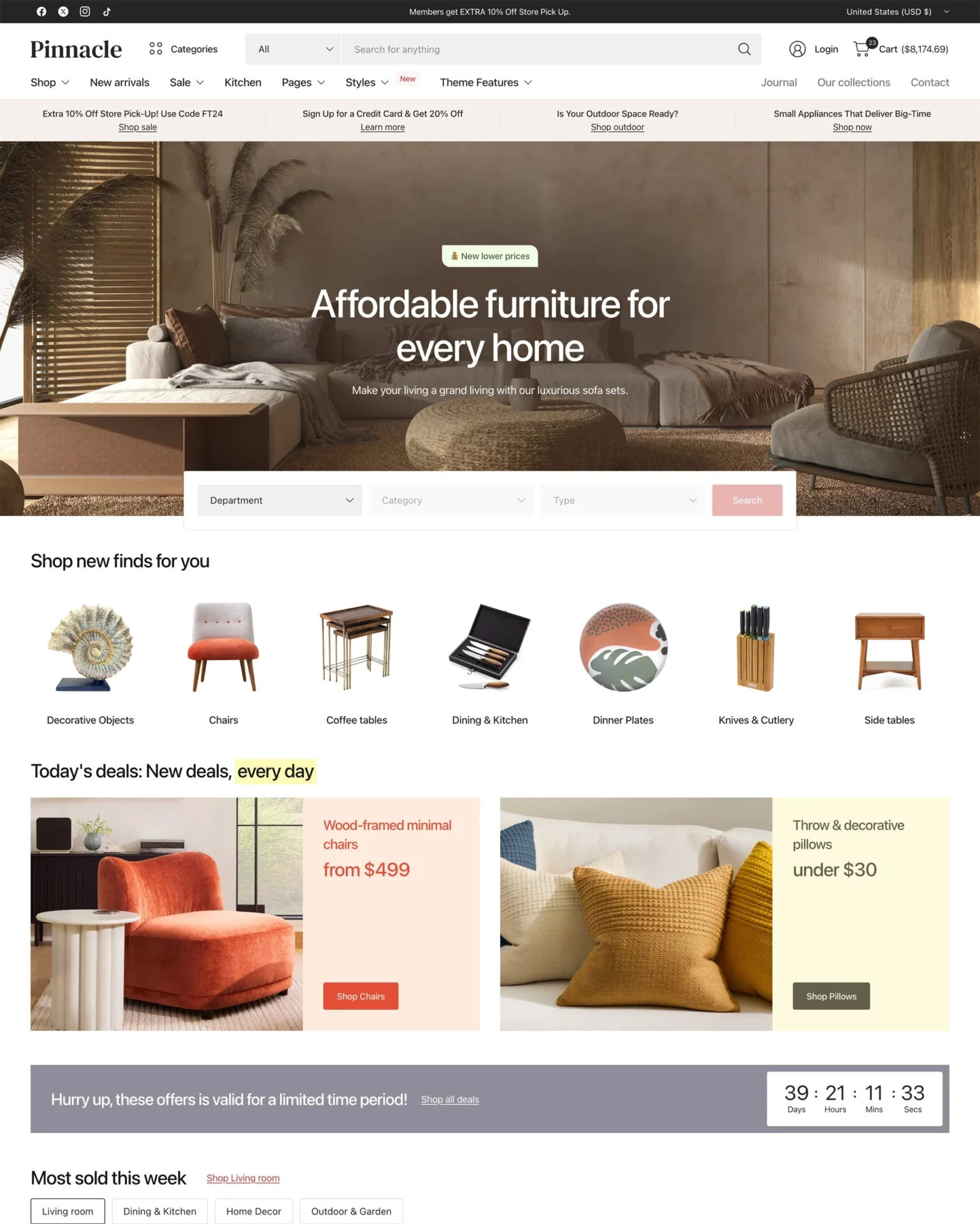
The Pinnacle theme combines modern functionality with a cozy, approachable design, making it perfect for furniture stores that cater to a wide audience. Its clean, spacious layout is the perfect gallery to provide an environment where your furniture shines.
With built-in sections for daily deals, trending products, and curated collections, Pinnacle comes ready to sell furniture.
What sets Pinnacle apart is its focus on usability. The theme’s easy to understand navigation and intuitive categorization help customers easily find what they’re looking for, whether it’s a specific chair design or home accessories.
It’s also ready to highlight both bestsellers and hidden gems in their inventory.
Pinnacle Theme Highlights
- Smart Categorization: Organize furniture by room, type, or style for a seamless shopping experience.
- Dynamic Deal Sections: Highlight daily deals and trending products to create urgency and drive purchases.
- Warm, Inviting Design: Uses earthy tones and soft visuals to make the shopping experience feel personal and homey.
- Spotlight on Versatility: Built for stores with diverse inventories, from living room essentials to kitchen furniture.
- Interactive Product Display: Clean layouts emphasize functionality and style, perfect for showcasing details like material and craftsmanship.
Loft
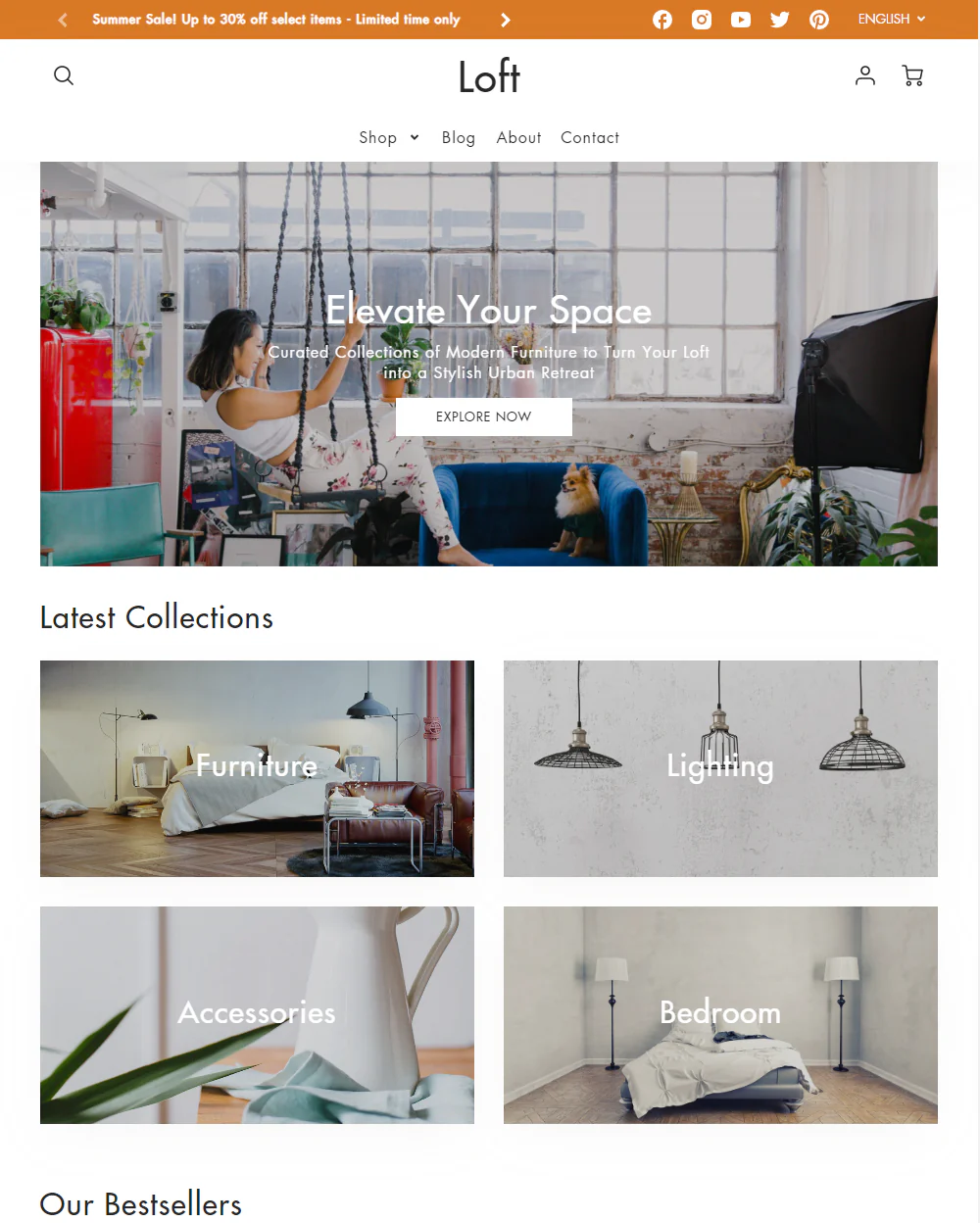
This grid theme built for furniture is perfect for those with a modern, clean, and sleek look.
Enjoy different sized grids, squares, rectangles with a beautiful san-serif font with a bright and airy look.
Loft Highlights:
- Sleek modern grid layout
- Built for furniture websites
- Can handle large catalogs
- Neutral design flows with many branding styles
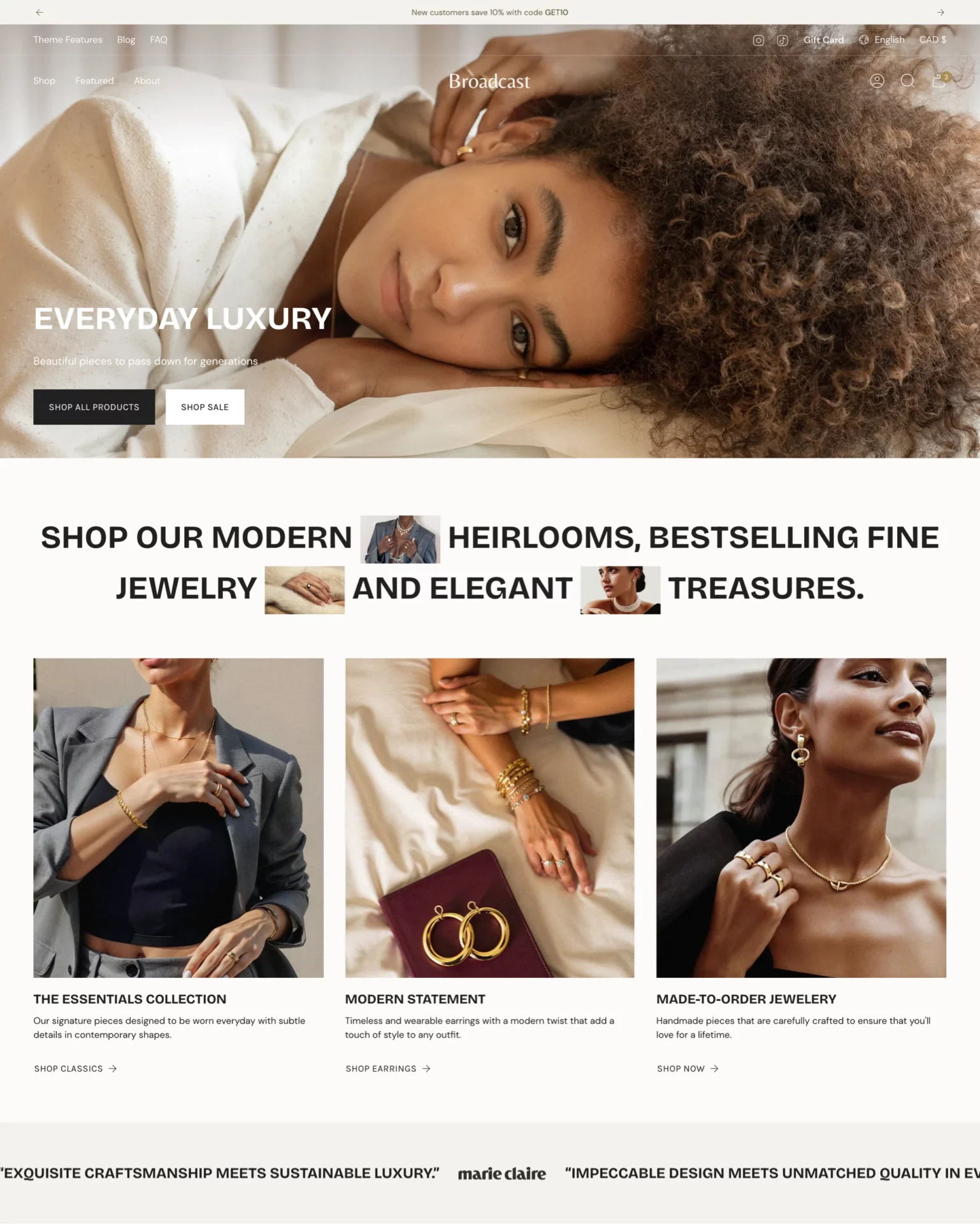
Broadcast
Broadcast is the perfect theme for any furniture store that wants visuals front and center, including a background video. Add a featured or background video to show off your furniture in its full beauty.
It also comes in with a built-in testimonials section.
The quick view feature allows customers to click and quickly view, ideal to reduce bounce rates and ease navigation.
Broadcast Highlights:
- Great for SEO
- Large image blocks great for furniture.
- Quickview makes zooming in fun and easy
- Free stock images supplied by Burst.
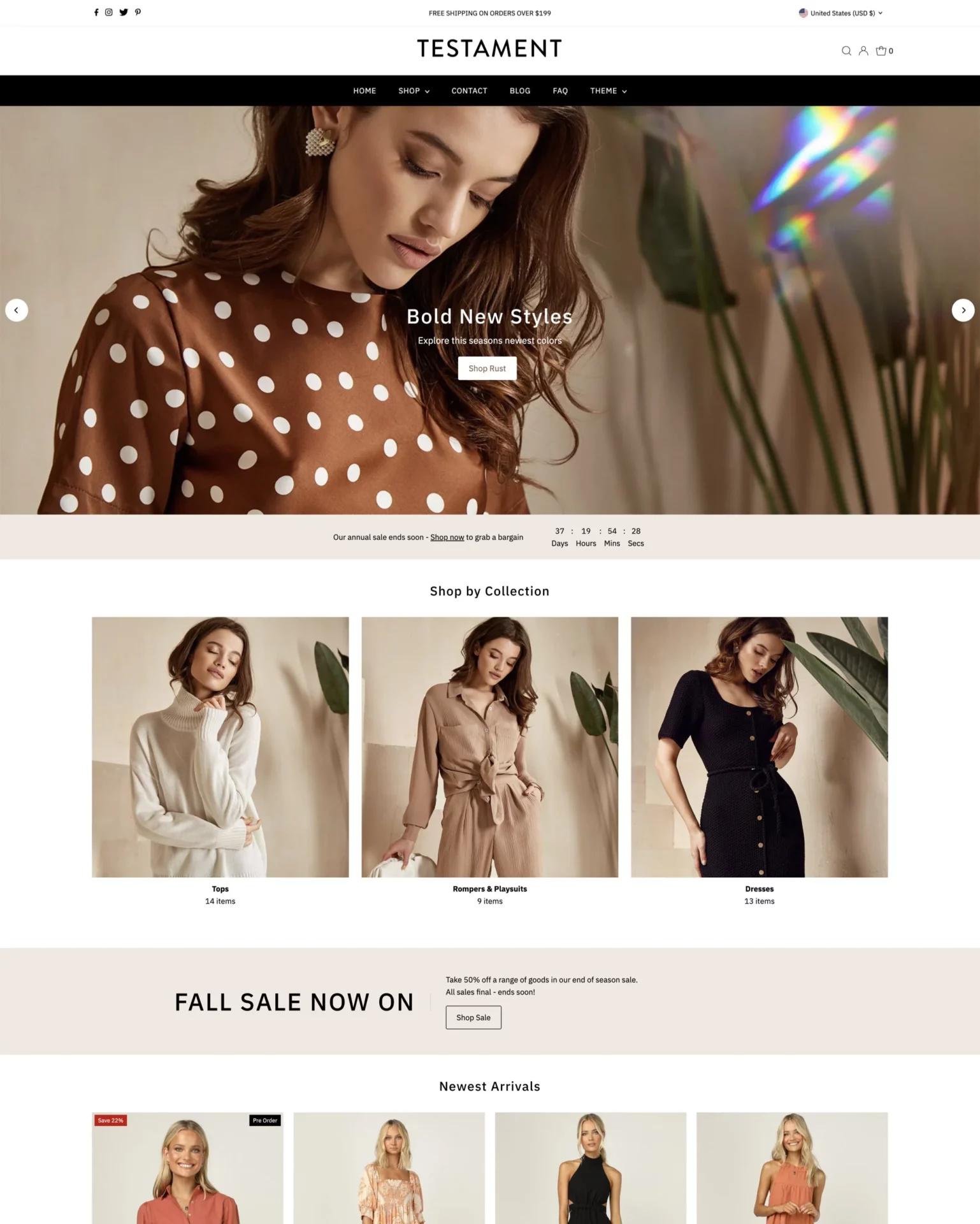
Testament
Luxury and lifestyle furniture brands would go great with Testament. One of the best options for this theme is the color swatch. This lets you to show the same furniture item with color variants on one page. This makes it easier for customers to make comparisons on the colors and makes it easier for customers to decide.
There is a great sticky navigation set. This lets your customers to continue to move around your website by having the menu scroll down the website as they move down the page. To help more with navigation across your store, you can build a multi-column menu.
There’s also the opportunity to use a video on your home page to promote your brand. The video is hosted on video sharing websites like YouTube or Vimeo. This way you can showcase your products/brand without your website lagging. It can also help you to get your visitors to feel more emotionally attached to your brand.
Testament Highlights:
- Sticky navigation available on your store improve user experiences.
- Large image blocks for many furniture collections
- Tell the story of your website with a video hosted on video sharing websites.
- Swatches to show color variants.
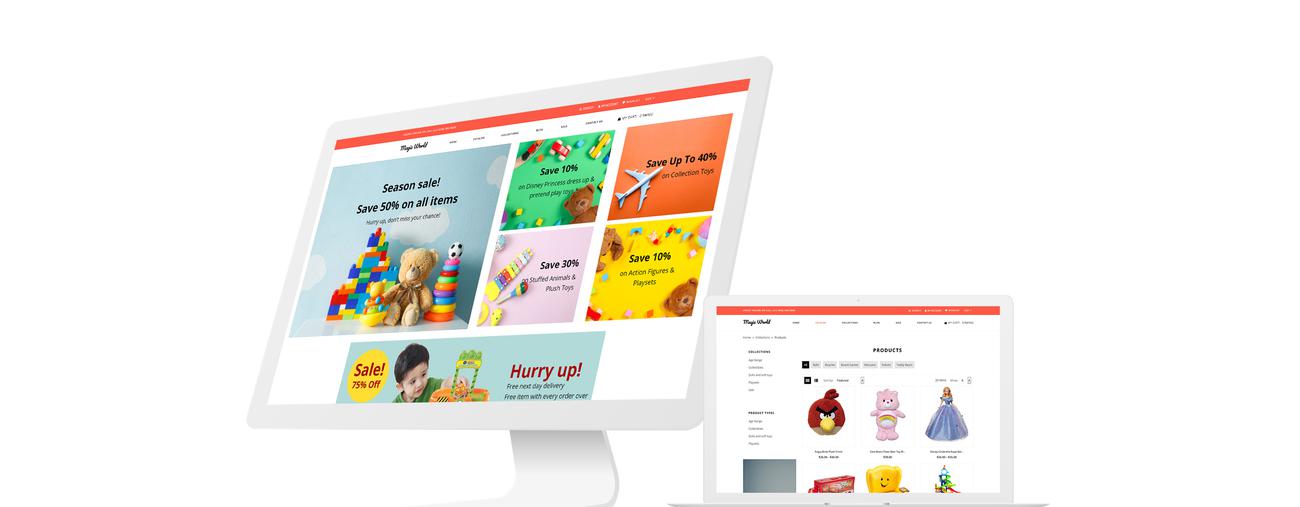
Magic World
Magic World is a great theme for those who want to show the colors of their products. It’s one of the best themes out there because it looks like some of the most successful websites across the world. The easy-to-follow content can direct customers to the specific products, information or section they’re looking for. And the easy navigation makes for a better user experience.
The blog is great for furniture bloggers or stores that want to communicate from their website, but you don’t have to use it.
Additional features include a slider and built-in sorting, both fun additions for a furniture store.
Magic World Highlights:
- Sell across the world with multilingual and multi currency functionalities.
- Advanced sorting for an exceptional customer experience.
- Designed after sites with proven success to sell more
- Clean coding keeps things uncomplicated and helps Google understand your site better.
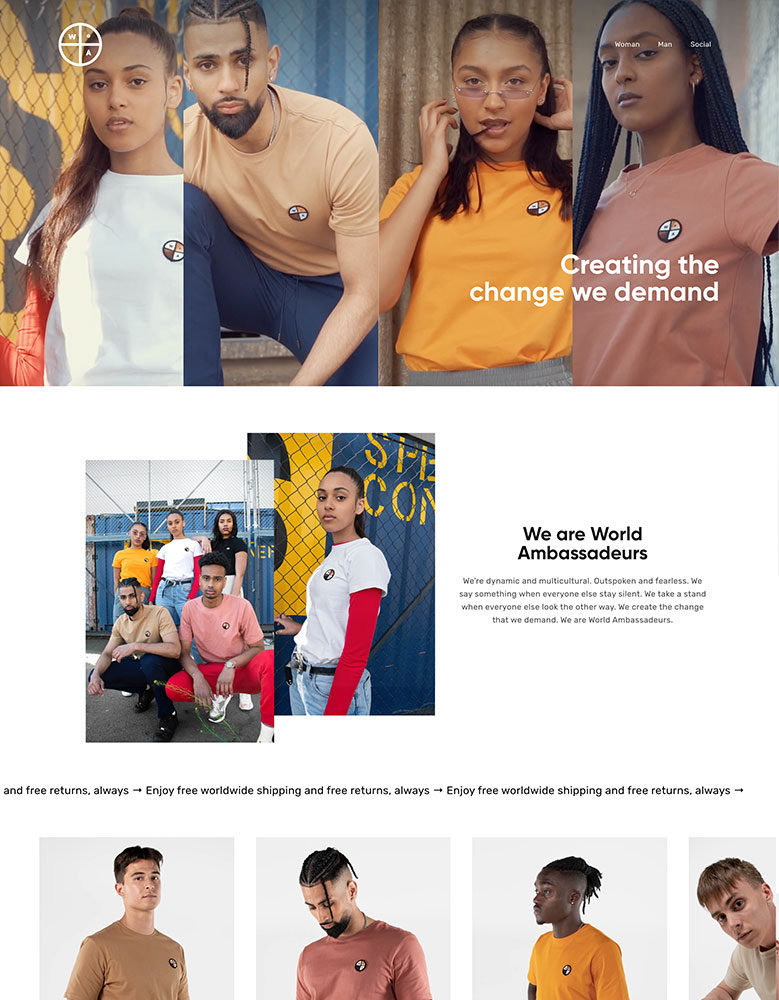
Streamline
This clean grid theme is great for any type of furniture, providing a neutral background for your brand and unique styles to shine.
A cool animation comes with the theme for added fun while navigating. It comes with a giant her banner that can be split up or put into one image, depending what you want for your furniture store.
Streamline Highlights:
- Bright and airy background blends with many types of branding.
- Lead your website with a giant hero banner to show off your furniture
- Easy navigation for a smooth user experience
- Add free stock images to your site from Burst.
-
Can I integrate third-party apps with my Shopify furniture theme?
Yes, Shopify furniture themes are designed to be compatible with a wide range of third-party apps. Integrating these apps can enhance functionality and improve the overall user experience of your store.
-
Do Shopify furniture themes support multi-language and multi-currency features?
Yes, many Shopify furniture themes support multi-language and multi-currency features. This functionality enables store owners to cater to a global audience, offering a tailored shopping experience based on the customer’s region and preferences.
-
How often are Shopify furniture themes updated?
Shopify furniture themes, especially premium ones, typically receive updates several times a year. These updates address bug fixes, introduce new features, and ensure compatibility with the latest Shopify platform changes.
What Is Important In Shopify Furniture Themes?
- High-Quality Product Images: Showcase furniture with multiple high-resolution images from different angles, including close-ups of details like fabric texture and wood grain.
- Augmented Reality (AR) Integration: Allow customers to visualize how furniture pieces will look in their own space using AR technology.
- Detailed Descriptions and Specifications: Provide comprehensive product descriptions, including dimensions, materials, care instructions, and available color or finish options.
- Customizable Options: Offer customization features where customers can select fabric, color, size, and finishes to suit their preferences.
- Room Inspiration and Lookbooks: Create curated collections or lookbooks to inspire customers with ideas on how to style different pieces together.
- Customer Reviews and Ratings: Include detailed customer reviews and ratings to build trust and help shoppers make informed decisions.
- Virtual Consultation Services: Provide virtual interior design consultations to assist customers in choosing the right pieces for their homes.
- Stock and Availability Information: Clearly indicate stock levels, estimated delivery times, and availability of items.
- Assembly Instructions and Videos: Offer downloadable assembly instructions and tutorial videos to help customers easily set up their furniture.
- Warranty and Return Policies: Clearly outline warranty information and return policies to reassure customers about their purchase.
- Room Planner Tools: Include interactive room planners that allow customers to design their space and see how different furniture pieces will fit together.
- Sustainability Information: Highlight sustainable practices and materials used in the production of your furniture to attract eco-conscious buyers.
- Shipping and Delivery Options: Provide detailed information about shipping methods, costs, and delivery options, including white-glove delivery services.
- Live Chat Support: Offer real-time customer support through live chat to assist with any questions or concerns during the shopping process.
- Related Products and Accessories: Suggest complementary items, such as rugs, lighting, and decor, to complete the look and increase average order value.
Real-World Statistics About Online Furniture Sales
- Market Size and Growth:
- The global online furniture market size is projected to increase by USD 218.8 billion, growing at a compound annual growth rate (CAGR) of 21.94% between 2024 and 2028. This growth is driven by factors such as increasing online spending, smartphone penetration, and the expanding global real estate industry (Technavio).
- In the United States, online furniture and homeware e-commerce generated around $125 billion in 2024, and this sector continues to grow steadily with revenue forecast to reach $177.4 billion by 2029 (Statista, Oberlo).
- Consumer Trends:
- There is a significant shift towards mobile commerce, with many consumers preferring to shop for furniture using their smartphones. This trend is facilitated by augmented reality (AR) and artificial intelligence (AI) technologies that allow customers to visualize furniture in their homes before making a purchase (Technavio).
- Sustainable and eco-friendly furniture options are becoming increasingly popular, with materials like rattan, bamboo, and recycled textiles gaining traction among environmentally conscious consumers (Technavio) (IBISWorld).
- Market Segmentation:
- The furniture market is segmented by product type, including beds, tables, sofas, chairs, and stools. Each segment caters to different consumer needs, from residential to commercial applications (Mordor Intelligence).
- By distribution channel, online stores are becoming a dominant force, offering a wide range of products with the convenience of home delivery and detailed product information (Mordor Intelligence).
- Technological Integration:
- The use of AR and AI in e-commerce is transforming the shopping experience. These technologies enable customers to customize and personalize their furniture, enhancing the overall buying process and reducing return rates (Technavio).
- Competitive Landscape:
- The online furniture market is highly competitive, with major players like Ashley Furniture Industries, IKEA, and Herman Miller leading the market. These companies are leveraging strategic alliances, product innovation, and geographic expansion to maintain their market positions (Mordor Intelligence).
Conclusion: 7 Best Shopify Furniture Themes Built to Last
In conclusion, selecting the right Shopify theme for your furniture store is crucial for creating an inviting and functional online presence. The top 10 Shopify furniture themes we’ve reviewed offer a blend of aesthetic appeal and practical features designed specifically for the furniture industry. These themes enable you to showcase your products with stunning visuals, detailed descriptions, and interactive tools such as augmented reality and room planners, which can significantly enhance the shopping experience. It’s easy to start your Shopify furniture store right when you choose the right theme or how about a niche like starting a mattress store.
Moreover, these themes are equipped with customization options, responsive designs, and powerful e-commerce functionalities that cater to both desktop and mobile users. By leveraging these themes, you can build a website that not only attracts visitors but also converts them into loyal customers.
Whether you are focusing on contemporary designs, sustainable furniture, or bespoke pieces, the right theme can help highlight the unique aspects of your brand and products. Investing in a top-tier Shopify theme tailored for furniture stores means investing in your business’s growth and success.
If you liked this theme, you might also like Shopify themes for candle stores, or Shopify themes for gardening. Still need theme inspiration? Try our list of Shopify themes for consumer goods.
With the right theme, you can create an engaging, user-friendly online store that stands out in a competitive market and drives your sales forward.
Let these themes be the foundation upon which you build your digital showroom, and watch your furniture business thrive online
If your catalog extends beyond furniture into lighting, textiles, art, and accessories, see our best Shopify themes for home decor roundup, which covers eight themes across both free and paid options.