Symmetry Shopify Theme Alternatives 2026
Last modified: October 11, 2026
| # | Image | Name | Price | Reception | Adoption | CWV pass rate |
|---|---|---|---|---|---|---|
| 1 |
|
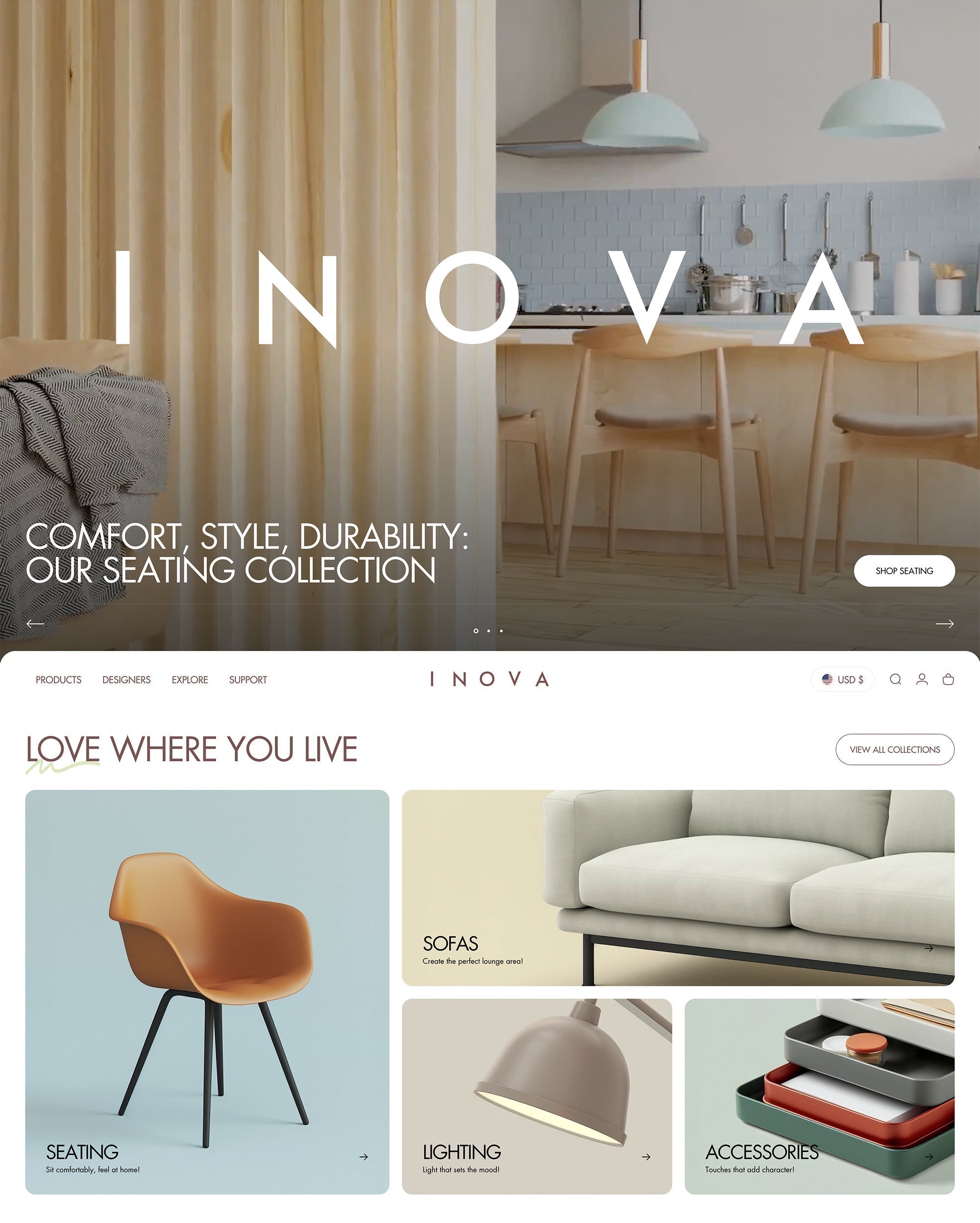
Concept
Stores that want a clean premium theme with more built in
|
$400 | (656) | 1.3% | 75.6% |
| 2 |

|
Pipeline
Brands that want a clean, minimal look for less
|
$360 | (209) | 0.7% | 69.4% |
| 3 |

|
Streamline
Brands that want a fast, minimal storefront
|
$420 | (335) | 0.2% | 74% |
| 4 |
|
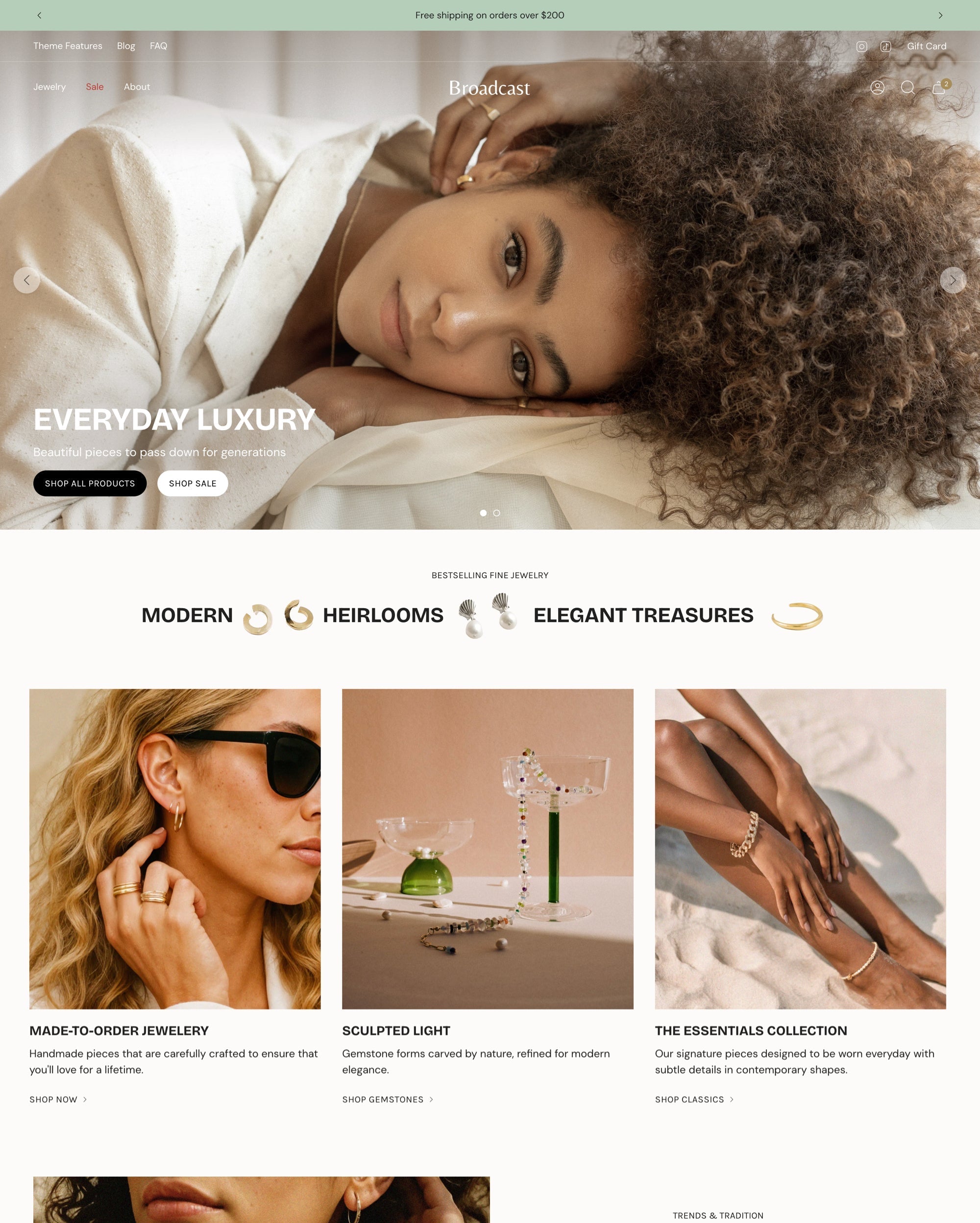
Broadcast
Content-led brands that want clean plus storytelling
|
$420 | (283) | 1.7% | 74.8% |
| 5 |

|
Impulse
Large catalogs that need heavier merchandising
|
$500 | (1,301) | 4.0% | 78.3% |
| 6 |
|
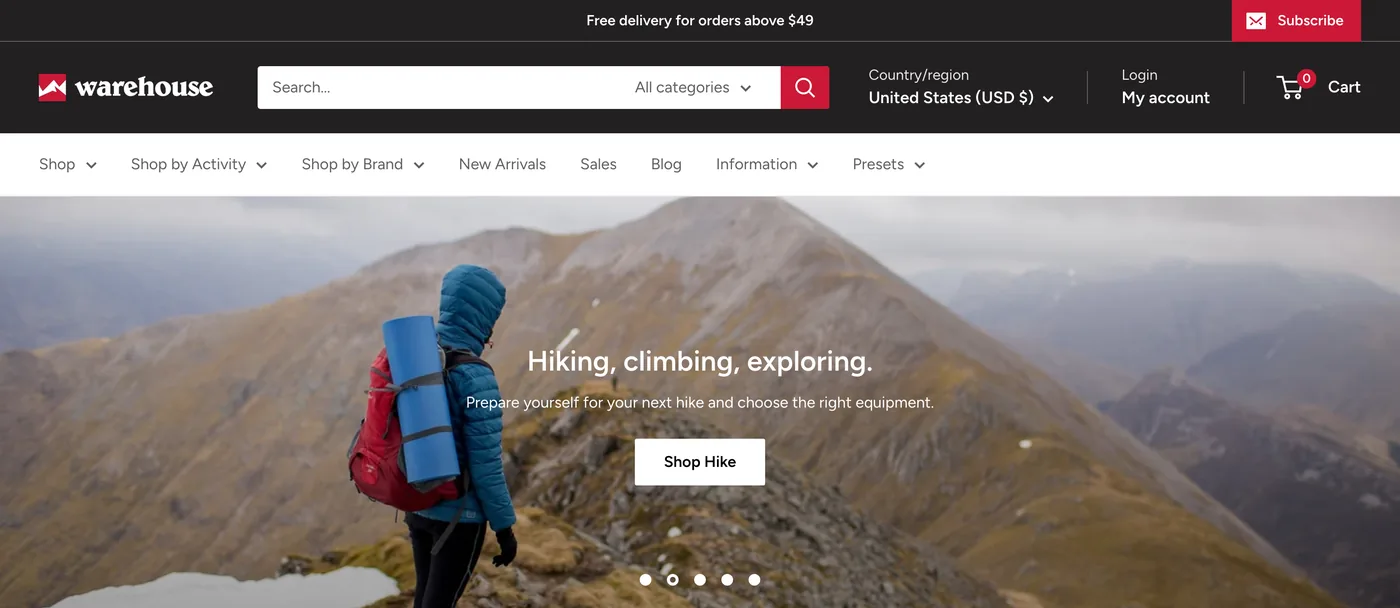
Warehouse
Very large or high-SKU catalogs on a budget
|
$320 | (325) | 0.8% | 66.8% |
|
Show More
|
||||||
Data first, opinion second: we track usage across 3.5+ million Shopify stores daily, and have since 2017. The stats tell us what merchants actually use; our editors rank the final picks by quality, pricing, and fit.
How These Themes Compare on Speed
| Theme | CWV pass rate | Few apps | Median LCP |
|---|---|---|---|
| Impulse | 78.3% | 85.7% | 1.6s |
| Concept | 75.6% | 83.4% | 1.5s |
| Broadcast | 74.8% | 86.8% | 1.5s |
| Streamline | 74% | 85.7% | 1.6s |
| Pipeline | 69.4% | 78.9% | 1.7s |
| Warehouse | 66.8% | 76.9% | 1.7s |
Concept
Ideal for: Stores that want a clean premium theme with more built in
Concept from RoarTheme is the pick when you like Symmetry’s clean, uncluttered style but want more working for you out of the box. It carries one of the highest ratings on the Theme Store and a large base of live stores, and it leans on built-in conversion features, product-page tools and a deep set of sections, so you can build pages without reaching for as many apps. The look stays calm and modern, close in spirit to Symmetry, with presets that range from minimal to richer layouts.
For a store leaving Symmetry because it wanted more features for the money, Concept covers more ground before you start installing add-ons, which can lower your monthly app bill over time.
Choose Concept if you want Symmetry’s clean feel with more conversion tooling built in, from a very highly rated theme.
Concept Highlights:
- Clean, modern design close in spirit to Symmetry.
- Built-in conversion and product-page features that reduce app reliance.
- One of the highest Theme Store ratings among premium themes.
- Deep section library for building pages without code.
 Symmetry Symmetry |  Concept Concept | |
|---|---|---|
| Share of stores in our dataset | 1.4% | 1.3% |
| Popularity rank | #11 | #12 |
| Price | $420 USD | $400 USD |
| Reception | 94% positive (391 reviews) | 98% positive (656 reviews) |
| Developer | Clean Canvas | RoarTheme |
| Avg apps on their stores | 7.6 | 6.8 |
| Apps most used on their stores |
|
|
| Common store types | Subscription, Multichannel & Marketplaces, Wholesale / B2B | Subscription, Multichannel & Marketplaces, Wholesale / B2B |
Concept Page Speed: Live Data
Pipeline
Ideal for: Brands that want a clean, minimal look for less
Pipeline from Groupthought is the closest match to Symmetry’s restraint, a clean, minimal theme that puts the product first and stays out of the way. It carries a top Theme Store rating and comes in under Symmetry on price, so it suits brands that love the understated look but do not need every one of Symmetry’s catalog tools. Its presets lean light and dark, both calm and typographic.
It is a lighter theme than Symmetry, which keeps pages quick, though a very large, heavily filtered catalog may find Symmetry’s filtering more developed. For a focused range with a clean brand, Pipeline is a natural, cheaper fit.
Choose Pipeline if the clean, minimal look is what drew you to Symmetry and you want it for less.
Pipeline Highlights:
- Clean, minimal design that keeps the product front and center.
- Lower one-time price than Symmetry.
- Light and dark presets with a calm, typographic style.
- A lighter build suited to focused catalogs.
| Symmetry |  Pipeline Pipeline | |
|---|---|---|
| Share of stores in our dataset | 1.4% | 0.7% |
| Popularity rank | #11 | #23 |
| Price | $420 USD | $360 USD |
| Reception | 94% positive (391 reviews) | 97% positive (209 reviews) |
| Developer | Clean Canvas | Groupthought |
| Avg apps on their stores | 7.6 | 7.6 |
| Apps most used on their stores |
|
|
| Common store types | Subscription, Multichannel & Marketplaces, Wholesale / B2B | Subscription, Multichannel & Marketplaces, Wholesale / B2B |
Pipeline Page Speed: Live Data
Streamline
Ideal for: Brands that want a fast, minimal storefront
Streamline from Archetype Themes is a clean, fast theme built around a modern, minimal storefront, a close match for what draws people to Symmetry’s restraint. It keeps the layout simple and the pages quick, with a focus on strong product presentation rather than heavy merchandising, and it carries one of the higher ratings on the Theme Store. It comes from the same developer as Impulse, so it is well supported, but it sits at the lighter, calmer end of that range.
It is priced in line with Symmetry, so the case for switching is fit rather than cost: a cleaner, more streamlined base if Symmetry’s catalog-first layout is more than your range needs. Its presets lean minimal and contemporary.
Choose Streamline if you want Symmetry’s calm, product-first feel in a lighter, faster theme from a proven developer.
Streamline Highlights:
- Clean, minimal design focused on fast, product-first pages.
- From Archetype Themes, a long-running, well-supported developer.
- A strong Theme Store rating among premium themes.
- Contemporary presets suited to focused, modern brands.
| Symmetry |  Streamline Streamline | |
|---|---|---|
| Share of stores in our dataset | 1.4% | 0.2% |
| Popularity rank | #11 | - |
| Price | $420 USD | $420 USD |
| Reception | 94% positive (391 reviews) | 95% positive (335 reviews) |
| Developer | Clean Canvas | Archetype Themes |
| Avg apps on their stores | 7.6 | 7.1 |
| Apps most used on their stores |
|
|
| Common store types | Subscription, Multichannel & Marketplaces, Wholesale / B2B | Subscription, Multichannel & Marketplaces, Print on Demand |
Streamline Page Speed: Live Data
Broadcast
Ideal for: Content-led brands that want clean plus storytelling
Broadcast from Presidio is the pick when you want Symmetry’s polish plus stronger storytelling. It is one of the highest-rated premium themes we track and is built to sell, with one-click add to cart, upsells and a deep section library, and it leans on lookbooks, video and editorial layouts in a way Symmetry’s cleaner template does not. It sits at a similar price to Symmetry.
It passes Core Web Vitals on a high share of its live stores, so the extra content tooling does not come at the cost of speed. Its presets give you several starting looks, from bold and graphic to calm and minimal.
Choose Broadcast if your brand converts through story and rich content and you want a highly rated theme that keeps a clean base.
Broadcast Highlights:
- One-click add to cart, upsells and a large section library.
- Lookbook, video and blog tools for storytelling brands.
- Strong real-world Core Web Vitals pass rate across live stores.
- One of the highest Theme Store ratings among premium themes.
| Symmetry |  Broadcast Broadcast | |
|---|---|---|
| Share of stores in our dataset | 1.4% | 1.7% |
| Popularity rank | #11 | #10 |
| Price | $420 USD | $420 USD |
| Reception | 94% positive (391 reviews) | 95% positive (283 reviews) |
| Developer | Clean Canvas | Presidio |
| Avg apps on their stores | 7.6 | 7.3 |
| Apps most used on their stores |
|
|
| Common store types | Subscription, Multichannel & Marketplaces, Wholesale / B2B | Subscription, Multichannel & Marketplaces, Wholesale / B2B |
Broadcast Page Speed: Live Data
Impulse
Ideal for: Large catalogs that need heavier merchandising
Impulse from Archetype Themes is the step up when your large catalog needs more active merchandising than Symmetry’s clean layout offers. It is built for high-velocity, promotion-led selling, with mega menus, layered filtering, promo banners and countdown timers, and it is one of the most-installed and most-reviewed premium themes on the Theme Store. If you are leaving Symmetry because you want to push product harder, Impulse is made for it.
It is the priciest theme on this list, so it earns its place on selling tools and track record rather than cost. In return you get a theme proven on a very large base of live stores and presets that span bold, clean and modern looks.
Choose Impulse if sales, urgency and product discovery drive your revenue and you want a heavily proven theme built around them.
Impulse Highlights:
- Mega menus and layered filtering for large, fast-moving catalogs.
- Promo banners and countdown timers for frequent sales.
- One of the largest live install bases and review counts of any premium theme.
- Multiple presets covering bold, clean and modern storefronts.
| Symmetry |  Impulse Impulse | |
|---|---|---|
| Share of stores in our dataset | 1.4% | 4.0% |
| Popularity rank | #11 | #4 |
| Price | $420 USD | $500 USD |
| Reception | 94% positive (391 reviews) | 94% positive (1,301 reviews) |
| Developer | Clean Canvas | Archetype Themes |
| Avg apps on their stores | 7.6 | 6.9 |
| Apps most used on their stores |
|
|
| Common store types | Subscription, Multichannel & Marketplaces, Wholesale / B2B | Subscription, Multichannel & Marketplaces, Wholesale / B2B |
Impulse Page Speed: Live Data
Warehouse
Ideal for: Very large or high-SKU catalogs on a budget
Warehouse from Maestrooo is the closest like-for-like swap for the one job Symmetry is known for: organizing a very large catalog. It is purpose-built for dense, high-SKU stores, with navigation and filtering tuned for thousands of products, and it is the cheapest theme on this list. If the large-catalog handling is the only reason you are on Symmetry, Warehouse does that job for less.
Its Theme Store rating sits below the others here, which is why it comes last on this list, but that reflects its utilitarian, catalog-first styling rather than its ability to run a big inventory. It is a function-first theme rather than a showcase for brand design, so you add your own styling and tools on top.
Choose Warehouse if a huge, filterable catalog is your priority and you want it at the lowest price here.
Warehouse Highlights:
- Navigation and filtering built for thousands of products.
- The lowest one-time price on this list.
- From Maestrooo, a long-running Shopify theme developer.
- A practical, catalog-first choice for high-SKU stores.
| Symmetry |  Warehouse Warehouse | |
|---|---|---|
| Share of stores in our dataset | 1.4% | 0.8% |
| Popularity rank | #11 | #21 |
| Price | $420 USD | $320 USD |
| Reception | 94% positive (391 reviews) | 84% positive (325 reviews) |
| Developer | Clean Canvas | Maestrooo |
| Avg apps on their stores | 7.6 | 8.1 |
| Apps most used on their stores |
|
|
| Common store types | Subscription, Multichannel & Marketplaces, Wholesale / B2B | Wholesale / B2B, Subscription, Multichannel & Marketplaces |
Warehouse Page Speed: Live Data
-
Is there a free alternative to the Symmetry Shopify theme?
Yes. If price is the main reason you are leaving Symmetry, Shopify’s free themes like Dawn handle the basics and let you add features with apps as you grow. You give up Symmetry’s deeper filtering and catalog navigation, so a free theme fits a smaller range better than a large, heavily filtered one. Several paid themes on this list also come in under Symmetry if you want a middle ground.
-
Which Symmetry alternative is closest to the original?
It depends on what you value in Symmetry. Pipeline is the closest on look and feel, a clean, minimal theme in the same spirit for less. If it is Symmetry’s large-catalog handling you rely on, Warehouse is the closest on that job and costs less, though it is more utilitarian in style.
-
Do these alternatives work with the same Shopify apps as Symmetry?
Yes. Every theme here is a standard Shopify Online Store 2.0 theme, so the apps you run on Symmetry for email, reviews, upsells and subscriptions work the same way. The thing to check is how much each theme does on its own, since a theme with more built in can let you drop an app or two.
-
Are these themes good for large catalogs like Symmetry?
Several are. Warehouse and Impulse are built for large, filter-heavy catalogs, and Concept and Broadcast handle sizable ranges well. Pipeline is lighter and suits a more focused catalog. The comparison on each card shows how each theme stacks up against Symmetry on real stores, which helps you judge the fit.
-
How do I switch from Symmetry to another theme without losing my content?
Install the new theme as a draft, rebuild your key pages and sections in it, and preview everything before you publish, so your live store never changes until you are ready. Redirects and metafields need attention on larger stores. Our guide to switching Shopify themes walks through the full process step by step.
-
Which Symmetry alternative is the cheapest?
Warehouse carries the lowest one-time price on this list, with Pipeline also coming in under Symmetry. Remember that the cheapest theme is not always the cheapest overall: a theme with fewer built-in features can cost more each month in apps. The price on each card shows the current one-time cost next to Symmetry.
Choosing Your Symmetry Alternative
The right move depends on why you are leaving. If you want the clean look with more built in, Concept does more out of the box, while Pipeline and Streamline keep the layout minimal and fast. If you want stronger storytelling or heavier merchandising, Broadcast and Impulse both carry strong ratings and large install bases. And if the large catalog is the whole reason you are on Symmetry, Warehouse handles that job at the lowest price here. Whichever way you lean, pick the theme that matches the part of Symmetry you actually use, then test it on your own catalog and traffic before you commit.
For the wider view, our guide to switching Shopify themes walks through how to move without losing content or rankings, and the Symmetry review covers everything the theme does before you decide to leave it.