District Shopify Theme Review 2026
Last modified: October 1, 2026

| # | Image | Name | Price | Reception | CWV pass rate |
|---|---|---|---|---|---|
| 1 |
|
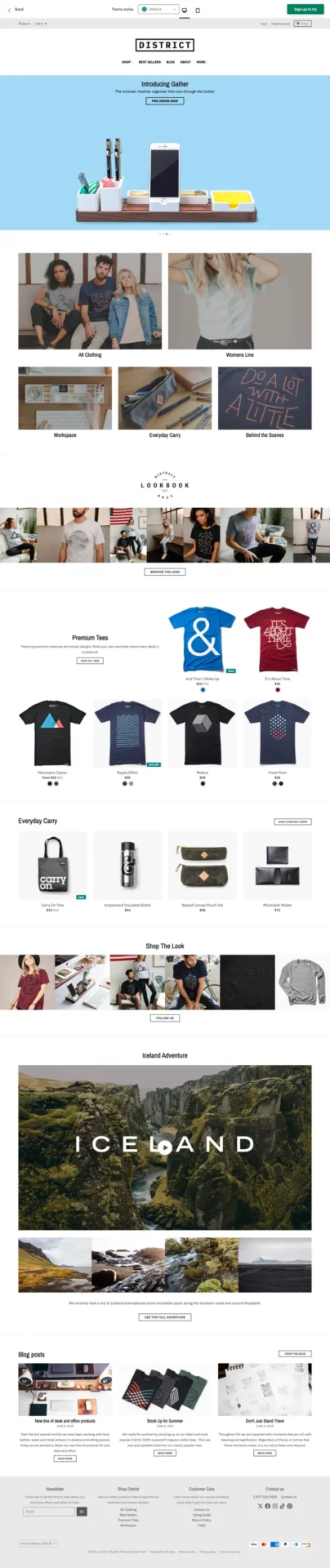
District (editorial preset)
|
$220 | (702) | 97.9% |
| 2 |
|
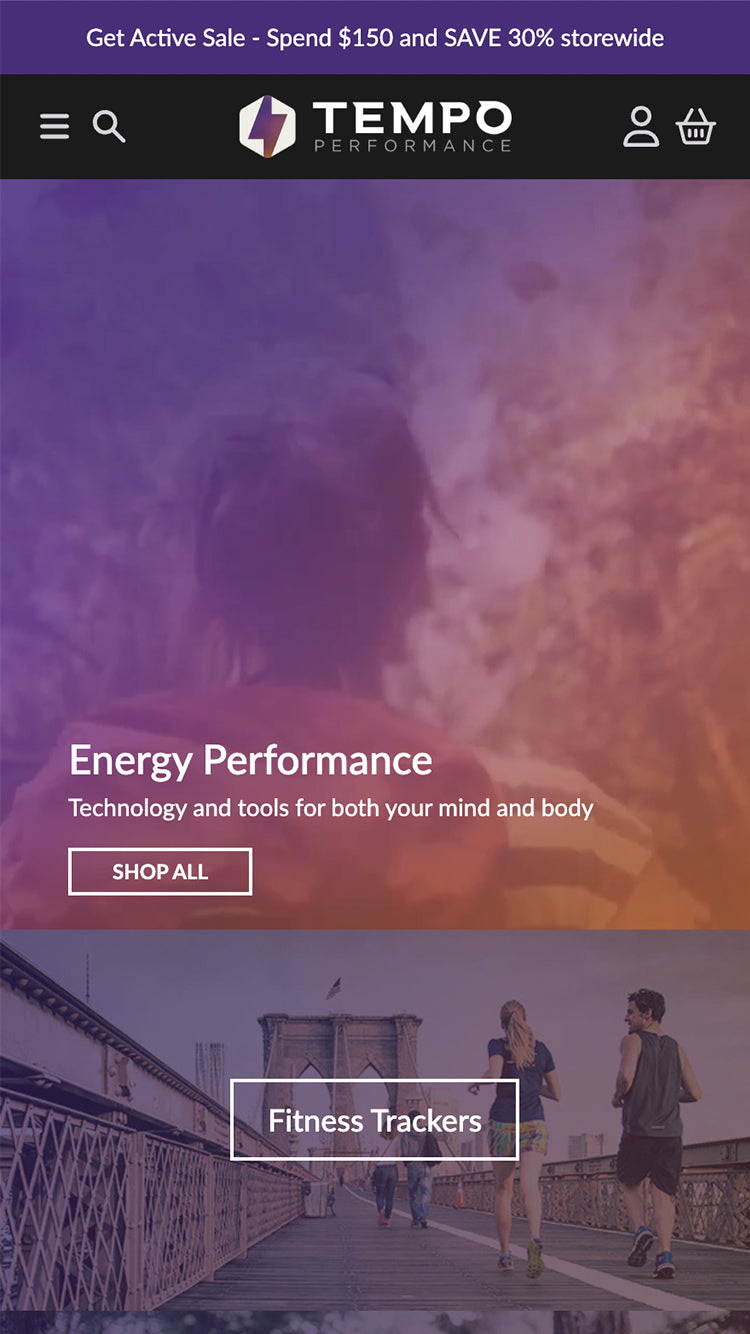
Tempo (performance preset)
|
— | — | — |
| 3 |
|
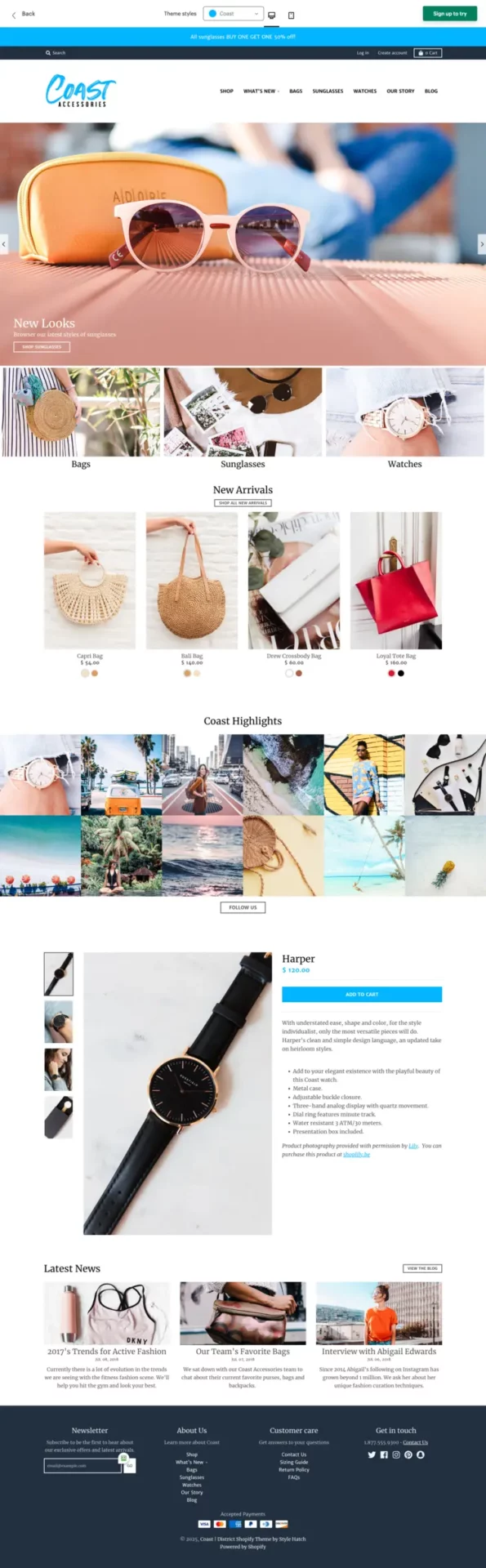
Coast (lifestyle preset)
|
— | — | — |
|
Show More
|
|||||
Data first, opinion second: we track usage across 3.5+ million Shopify stores daily, and have since 2017. The stats tell us what merchants actually use; our editors rank the final picks by quality, pricing, and fit.
District (editorial preset)
The District preset is the clean editorial style of the three. It is minimalist by default, with lookbook-style imagery, generous whitespace, and typography-led section layouts. The homepage sections lean on big product photography and brief copy rather than dense merchandising modules.
Suits design-forward brands, indie fashion lines, home goods, jewelry, and any store selling a small, considered range where the product shots are strong enough to carry the page. Less of a fit for a 500+ SKU store that needs dense grids and filtering above the fold.
District Preset Highlights:
- Minimalist editorial style with strong typography defaults.
- Lookbook-style homepage layouts geared to product-with-story.
- Suits small-to-mid catalogs where photography is the lead.
- One license covers all three presets; switch in the theme editor.
Tempo (performance preset)
Tempo is the performance-brand preset. It uses tighter grids, higher-contrast imagery defaults, and section layouts designed for product groupings like “Staff Picks,” “Train Harder,” or “New Drops.” The CTAs on product pages are more prominent and the overall rhythm is faster.
Suits fitness tech, running gear, mobility tools, outdoor equipment, and any product where function and performance lead the brand feel. Also suits stores with mid-size catalogs that benefit from clearer category and grouping cues than the editorial District preset provides.
Tempo Preset Highlights:
- Tighter grids and bolder CTAs than the editorial District preset.
- Section defaults built for product groupings and curated collections.
- Suits performance and activewear brands.
- Same codebase as District and Coast; switch in the theme editor.
Coast (lifestyle preset)
Coast is the lifestyle preset. The section defaults are soft, with more generous image treatments and section layouts geared to showing products inside a scene. Breezy section rhythms, lifestyle photography, and brand-mood-led homepages.
Suits eyewear, bags, accessories, travel gear, swimwear, and beach-adjacent fashion where the product sits inside an environment rather than on a white background. Also suits lifestyle brands that lean on seasonal campaigns and want the storefront to carry a feel more than a feature list.
Coast Preset Highlights:
- Lifestyle-first style with softer defaults than Tempo or District.
- Section layouts built for product-inside-a-scene imagery.
- Suits accessories, eyewear, travel, and beach-adjacent fashion.
- Same codebase as District and Tempo; switch in the theme editor.
-
How much does the District Shopify theme cost?
District costs a one-time fee of $220 USD, which is well below most premium Shopify themes. One purchase covers all three presets (District, Tempo, Coast) and there is no monthly fee or feature tier. The current live price is shown in the Key Takeaways on this page.
-
Who makes the District Shopify theme?
District is made by Style Hatch, Inc., a boutique Shopify theme studio. Their pitch for District is minimal elegance, blazing-fast performance, and strong support. Style Hatch is a smaller developer than Clean Canvas or Out of the Sandbox, but the theme has one of the highest customer-rating profiles on the entire Shopify Theme Store.
-
Is the District theme fast?
Yes. The real-world Core Web Vitals data from live District stores sits well above the reviewed-cohort median on the Shopify Theme Store. The live speed table on this page shows the current number. Lab-only speed scores (PageSpeed Insights, Lighthouse) can be misleading on their own; the real-world CWV data from live stores is a more honest signal of how a theme performs with real apps installed.
-
What are the three District presets?
District, Tempo, and Coast. District is the clean editorial preset for design-forward brands with small-to-mid catalogs. Tempo is the performance-brand preset with tighter grids and bolder CTAs for fitness, activewear, and tech. Coast is the lifestyle preset with soft defaults and lifestyle-imagery section layouts, suited to eyewear, bags, accessories, and travel brands. All three presets ship inside one theme and one license.
-
Can I switch between the District presets after installing?
Yes. All three presets are the same theme code with different style settings and section defaults. You can switch between them in the Shopify theme editor without reinstalling the theme or losing your product data. One license covers all three.
-
Is District good for a large catalog?
District is a stronger fit for small-to-mid catalogs, typically up to a few hundred SKUs. The theme is designed around strong photography and considered product presentation rather than dense faceted search and large collection grids. A store with thousands of SKUs that leans on filtering above the fold will typically be better served by a theme like Impulse, Prestige, or Dawn, which have more aggressive merchandising defaults.
-
How does District compare to Be Yours, Flow, or Adeline?
All four themes are in the same clean-modern tier of the Shopify Theme Store. District is the most price-competitive and has the highest rating. Flow (by Clean Canvas) leans more editorial. Be Yours is stronger for one-product or small-line stores. Adeline is positioned for lifestyle brands with a focus on long-form content. We cover the full comparison in our District alternatives post.
Which District Preset Is Right For You?
All three presets ship with the same theme, so you are picking a look, not a product. The decision tree:
- Pick District if your brand is editorial, your photography is strong, and your catalog is small to mid-size.
- Pick Tempo if you are selling performance gear, tech, or activewear, and your product pages need clearer CTAs and function-forward imagery.
- Pick Coast if your brand lives in lifestyle imagery, your catalog is accessories or lifestyle goods, and you want products shown inside a scene rather than on a white background.
For how District compares to the rest of the premium field, see our District alternatives post, and for the raw live data (adoption, speed, demo preview) see the District stats page.
Still deciding? Browse our full Shopify theme reviews guide or compare similar themes: Be Yours, Adeline, or Palo Alto.