6 Shopify Coffee Store Themes for 2026
Last modified: August 18, 2026
| # | Image | Name | Price | Reception | Adoption | CWV pass rate |
|---|---|---|---|---|---|---|
| 1 |

|
Prestige
|
$400 | (864) | 4.5% | 78.5% |
| 2 |

|
Impulse
|
$500 | (1,296) | 4.1% | 77.8% |
| 3 |

|
Concept
|
$400 | (642) | 1.4% | 78.4% |
| 4 |

|
Focal
|
$320 | (335) | 1.1% | 68% |
| 5 |
|
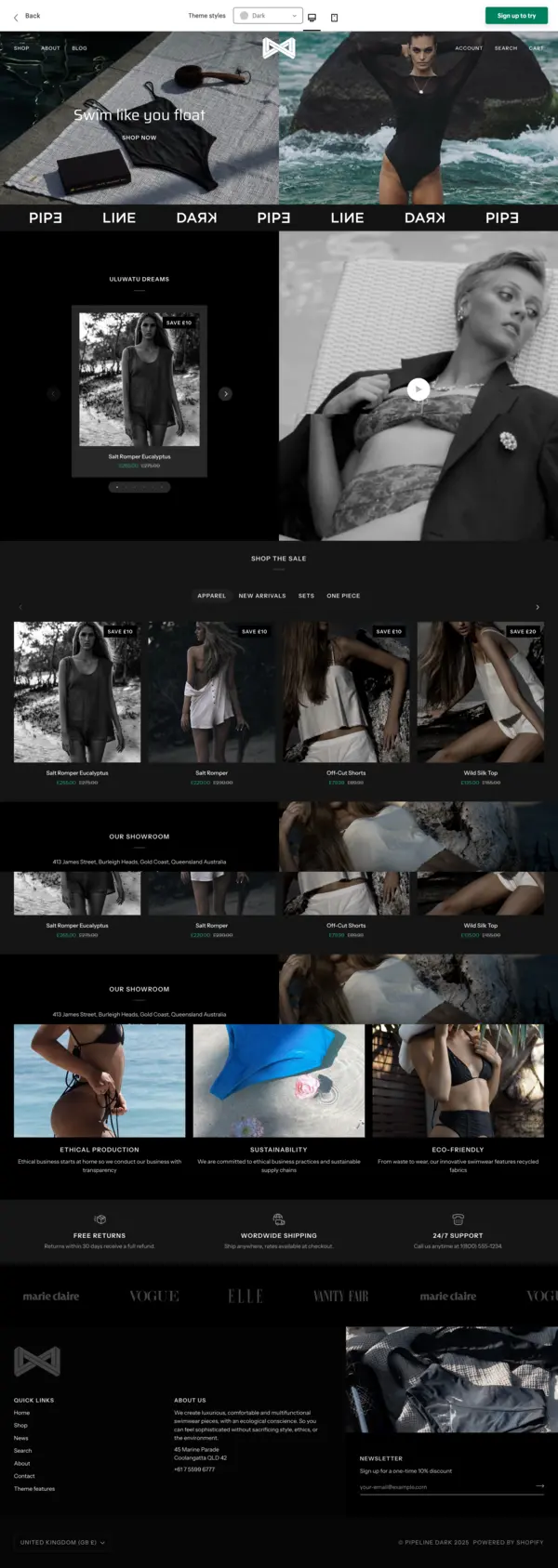
Pipeline
|
$360 | (209) | 0.8% | 70.3% |
| 6 |
|
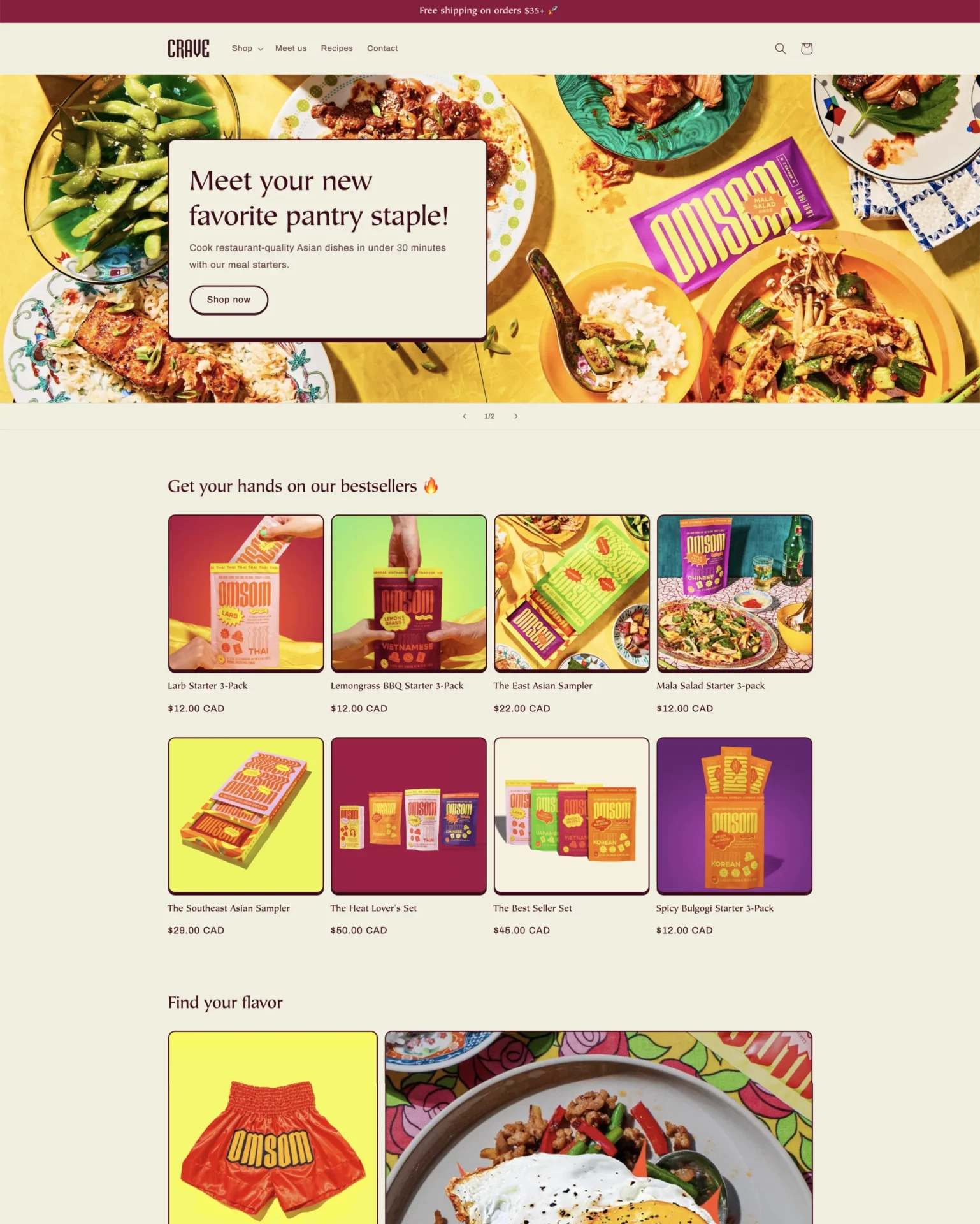
Crave
|
Free | (15) | 0.4% | 84.6% |
|
Show More
|
||||||
Data first, opinion second: we track usage across 3.5+ million Shopify stores daily, and have since 2017. The stats tell us what merchants actually use; our editors rank the final picks by quality, pricing, and fit.
How These Themes Compare on Speed
| Theme | CWV pass rate | Few apps | Median LCP |
|---|---|---|---|
| Crave | 84.6% | 89.1% | 1.8s |
| Prestige | 78.5% | 85.1% | 1.6s |
| Concept | 78.4% | 87.6% | 1.5s |
| Impulse | 77.8% | 86.9% | 1.7s |
| Pipeline | 70.3% | 77.5% | 1.7s |
| Focal | 68% | 77.1% | 1.9s |
Prestige
Ideal for: Specialty and premium roasters
Prestige is the premium anchor for coffee, the natural lead for a specialty roaster that trades on craft and quality. Maestrooo built it for high-end stores, and its refined layout and large imagery give beans, bags and origin the space to read as considered and premium.
That polished presentation supports a specialty price and makes a small, curated range feel elevated, with merchandising that never crowds the product. For a roaster selling craft over volume, it sets the tone from the first scroll.
Prestige Highlights:
- Refined, high-end aesthetic
- Large imagery for beans and packaging
- Strong, quiet merchandising
- Premium paid theme by Maestrooo
Here is how it shows up in our store data:
Prestige Page Speed: Live Data
Impulse
Ideal for: Subscriptions and campaigns
Impulse is a conversion-first theme with shoppable heroes and promotion tools, which suits coffee brands running subscriptions, seasonal blends and gift campaigns. Its heroes put warm, lifestyle imagery to work.
The promo tooling builds momentum around a launch or a subscription offer, and quick buy keeps a browse moving. For a coffee brand that sells on repeat and campaigns, it does real work.
Impulse Highlights:
- Built for conversion and promotions
- Shoppable hero images and promo tools
- Subscription and gift-friendly sections
- Premium paid theme by Archetype
Here is how it shows up in our store data:
Impulse Page Speed: Live Data
Concept
Ideal for: Single-origin, focused ranges
Concept, by RoarTheme, is a clean, mobile-first theme built around a focused product presentation, which suits coffee brands with a tight, single-origin or hero-blend range. Its minimal design lets each bag and its story read clearly.
Carousel swipes and thumb-friendly navigation make choosing a grind and roast easy on a phone, where the morning-coffee order often happens. For a roaster built around a focused range, its clarity fits neatly.
Concept Highlights:
- Clean, minimal single-product focus
- Mobile-first, thumb-friendly navigation
- Uncluttered bag-and-story presentation
- Premium paid theme by RoarTheme
Here is how it shows up in our store data:
Concept Page Speed: Live Data
Focal
Ideal for: Photography-led coffee brands
Focal is built around striking imagery, which suits coffee, sold on how fresh and inviting the beans and the ritual look. Its editorial, image-led layouts put high-resolution product and lifestyle photography front and centre.
A slide-out cart and recommendation sections keep shoppers moving through blends and gear, so a browse turns into a basket. Where a roaster’s photography carries the craft, Focal lets it lead.
Focal Highlights:
- Image-led, editorial layouts
- Slide-out and sticky cart
- Recommendations and cross-sells
- Premium paid theme by Maestrooo
Here is how it shows up in our store data:
Focal Page Speed: Live Data
Pipeline
Ideal for: Craft coffee roasters with a premium feel
Pipeline fits craft coffee that wants to read specialty rather than commodity. Its clean, minimal layout gives origin stories and roast notes room to breathe, so a single-origin bag feels considered.
The restraint suits subscription and small-batch models where trust and quality lead the sale. For a roaster building a premium identity, Pipeline sets the right tone.
Pipeline Highlights:
- Clean space for origin stories
- Minimal, premium styling
- Suits subscriptions and small batches
- Premium paid theme by Groupthought
Here is how it shows up in our store data:
See our full Pipeline review for the breakdown.
Pipeline Page Speed: Live Data
Crave
Ideal for: A coffee or cafe brand that wants a free, mobile-first start
Every other pick here is premium, so Crave earns its place as the free option for a coffee or cafe brand. It is Shopify’s free food-and-drink theme, built mobile-first for the phone-in-hand buying that grab-and-go orders and coffee subscriptions run on. Quick buy shortens the path to checkout, cart notes handle grind or milk preferences, and in-store pickup suits a roaster with a physical counter. The bright, playful styling fits an independent cafe’s personality.
It is not a premium theme, and the low review score shows its limits. The feature depth is thin next to Prestige or Concept, and it needs editor time and strong photography to look finished. For a new roaster or cafe launching lean, though, it is a food-appropriate free base the paid picks here cannot match on price. See where Crave stands in the data before you commit.
Crave Highlights:
- Free and food-and-drink focused
- Mobile-first for grab-and-go orders
- Quick buy and cart notes for preferences
- In-store pickup for a counter
- Bright, playful cafe styling
Crave Page Speed: Live Data
-
What should a Shopify coffee store theme include?
A coffee theme should lead with story and imagery, with editorial sections for origin, roast and brewing, and strong photography that makes beans look fresh. Subscription-friendly layouts matter, since coffee sells on repeat, and clear grind, roast and size options help shoppers choose. A mobile-first store keeps the morning-coffee order quick, and room for brewing guides builds trust.
-
How do I sell coffee subscriptions on Shopify?
Coffee is a natural subscribe-and-save product, so feature subscriptions prominently, with choose-your-grind and delivery frequency options, and make managing them easy. Subscriptions are added through apps rather than built into most themes, so pick a theme that displays the offer clearly rather than burying it. A visible subscription option turns a first bag into a standing order.
-
Do I need a premium theme for a coffee store?
No. A free theme can launch a coffee store, but premium themes add the editorial storytelling, stronger galleries and subscription-friendly layouts that suit a craft-led, repeat-purchase product. Many roasters upgrade as they grow to get a more considered, on-brand store. Choose based on your stage and budget.
-
How do I tell my coffee’s origin and roast story?
Use editorial sections to share farm, region, tasting notes and roast level, since that story is how a shopper chooses between beans they cannot smell. Add brewing guides and grind advice so customers get the most from the beans. Themes built for storytelling, like Palo Alto, give that content the space it needs.
-
Which theme suits a specialty coffee roaster?
Prestige suits a specialty roaster, with a refined, high-end layout and large imagery that lets beans, packaging and origin read as premium. Palo Alto is a strong alternative for roasters that lead with origin and ritual storytelling. Both give the craft-led feel a specialty coffee brand needs.