6 Best Shopify Digital Product Themes 2026
Last modified: March 29, 2026

| # | Image | Name | |
|---|---|---|---|
| 1 |
|
Booster
|
|
| 2 |
|
Startup
|
|
| 3 |
|
Empire
|
|
| 4 |
|
Blockshop
|
|
| 5 |
|
Highlight
|
|
| 6 |
|
Expanse
|
|
|
Show More
|
|||
Our rankings aren't just opinions. They are based on proprietary detection data from 3.5 million+ Shopify stores, aggregated daily since 2017.
Booster

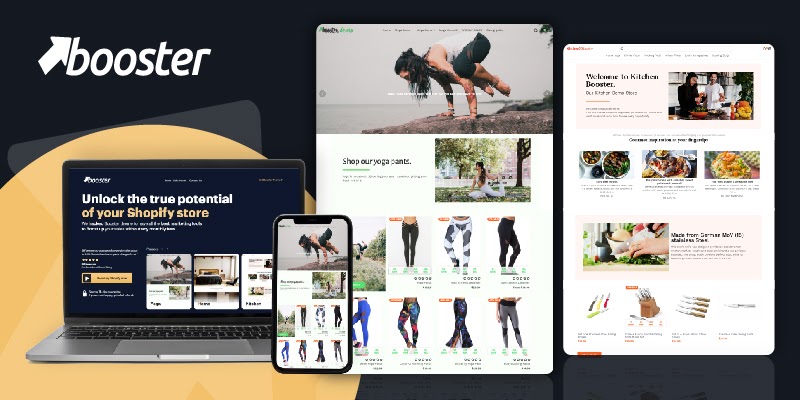
Booster is one of the top themes on offer for Shopify. It is more than a theme, it is a marketing and website toolkit that allows you to have so many functions and business building elements built into your store to help you make more of your website and earn more revenue. With all the features that are included, the developers reckon that you could save about $3000 on app subscriptions.
Some of the features that have been added to the theme include a currency converter, countdown timers, popup builders, social proof, live chat and much more. The theme is also very fast. Loading times are said to be less than one second, allowing your customers to view your website without noticing the loading times. A great way to grow sales.
The appearance of Booster is also very impressive. And the added SEO features make it a great way to be found on Google and other search engines.
Booster Highlights:
- You can save thousands a year on apps with the additional functionality.
- This is one of the fastest themes, loading pages within one second.
- Perfect for search engines, so you can get more traffic to your website.
- An excellent option when you want to attract lots of mobile customers to your store
Startup
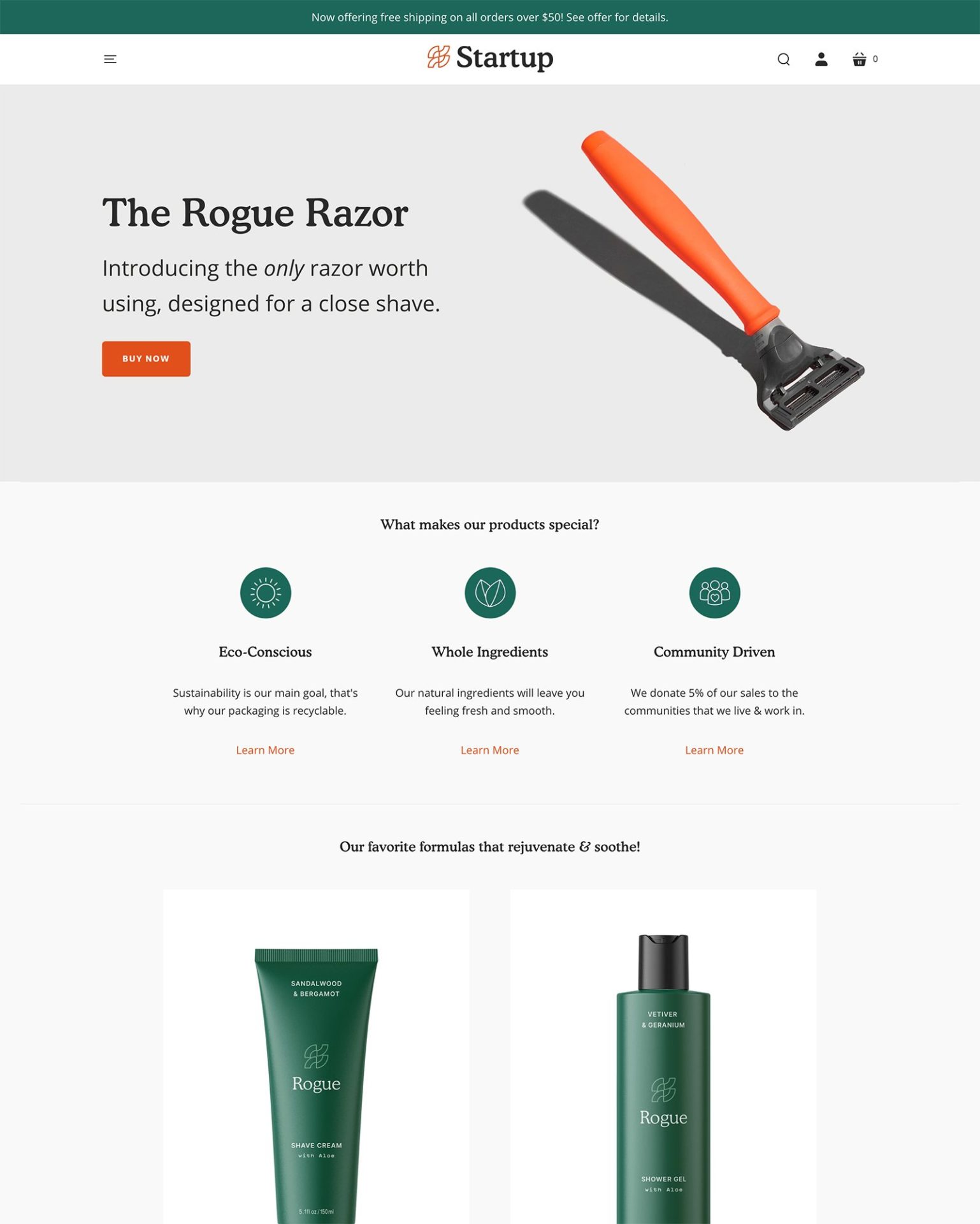
This sleek, bright modern theme is made for smaller sites to shine. Use this theme for your digital products and watch them stand out in this gallery-like template.
To help showcase your brand you can use the wide layout or large images. You’re also able to use videos on your home page.
Startup Highlights:
- Looks amazing on mobile
- SEO-friendly
- Modern clean design can flow with many brand types
- Choose from four different styles to start the basic design of your website.
Empire
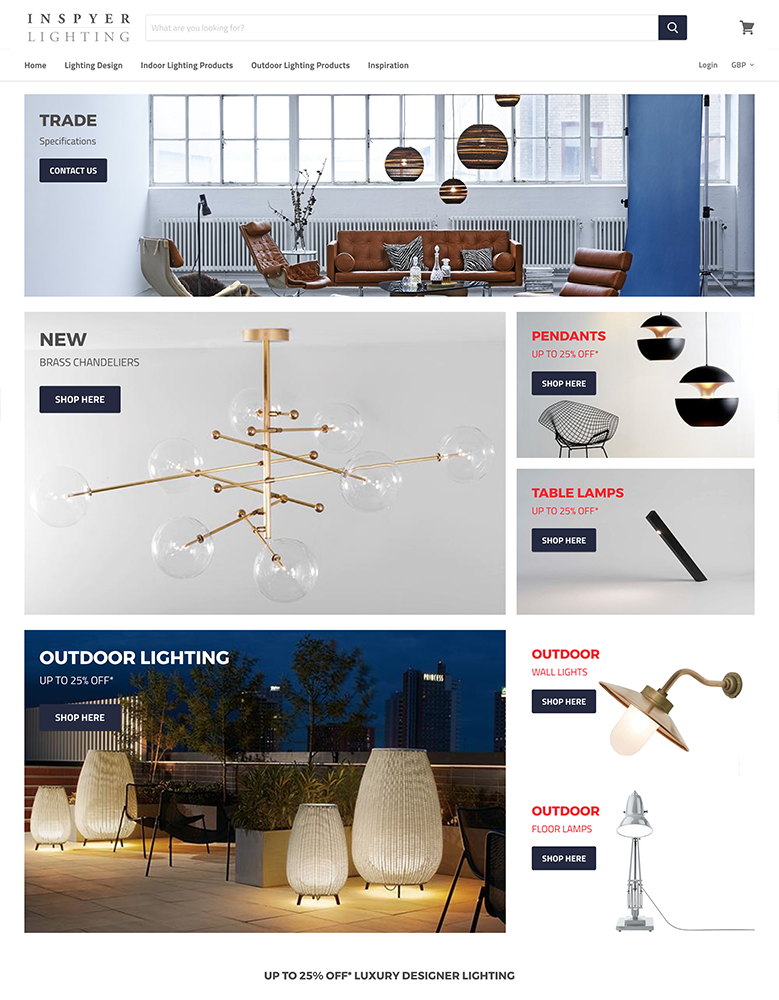
Empire is one of the best themes to use if you want to sell software online. There are three included styles and lots of customizations available. You can build a website with ease with lots of great options that can make the experience on your website really good that can improve the average order value.
The theme was specifically built for those a lot of products in their catalog, but it can be useful for smaller catalogs too. To help customers find products, however, there is a predictive search to help you build a better experience.
You can also have a great experience when speeding up the purchasing journey. You can utilise the quick buy option to move customers from the product page to the checkout page.
Empire Highlights:
- Is optimized for search engines and mobile devices. Helping you attract more traffic to your website.
- Use free images via Burst.
- There is a quick buy option to speed up the shopping experience.
- There are lots of great customizations options for your website’s design.
Blockshop
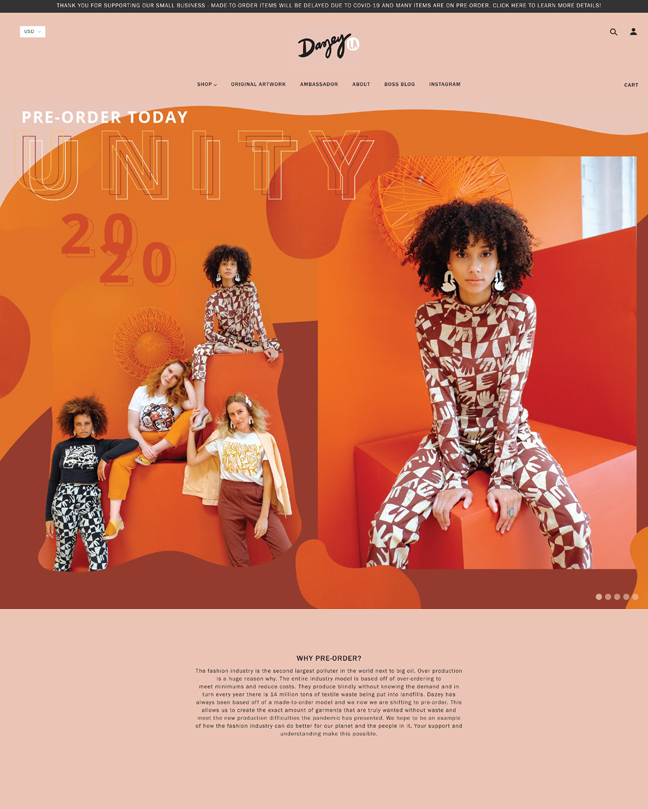
Blockshop offers you the chance to create an aesthetically pleasing design that will impress guests to your store. You can use any of the four unique and beautifully rendered styles of the theme to start building your website and then add the perfect customizations to make the theme suit your brand better.
The theme also has a wide layout that can support most imagery. This can be brand images, brand messages, product images and more. The stunning images can look big, bold and beautiful on your website and encourage audiences to complete a purchase with you.
You can add a slideshow feature to your homepage and a social media feed to help engage audiences across several platforms at the same time.
You can add great navigational options to your website. For instance, there are options for the multi-column menu and a dropdown menu. This can help customers find the pages that they’re looking for.
Blockshop Highlights:
- Completely optimized for search engines, so you can improve the flow of traffic to your website.
- Is a completely responsive theme, allowing visitors from any device to your website.
- Perfect for businesses who want to have lots of engagement across lots of different platforms.
- Add a homepage video to your website for better conversion.
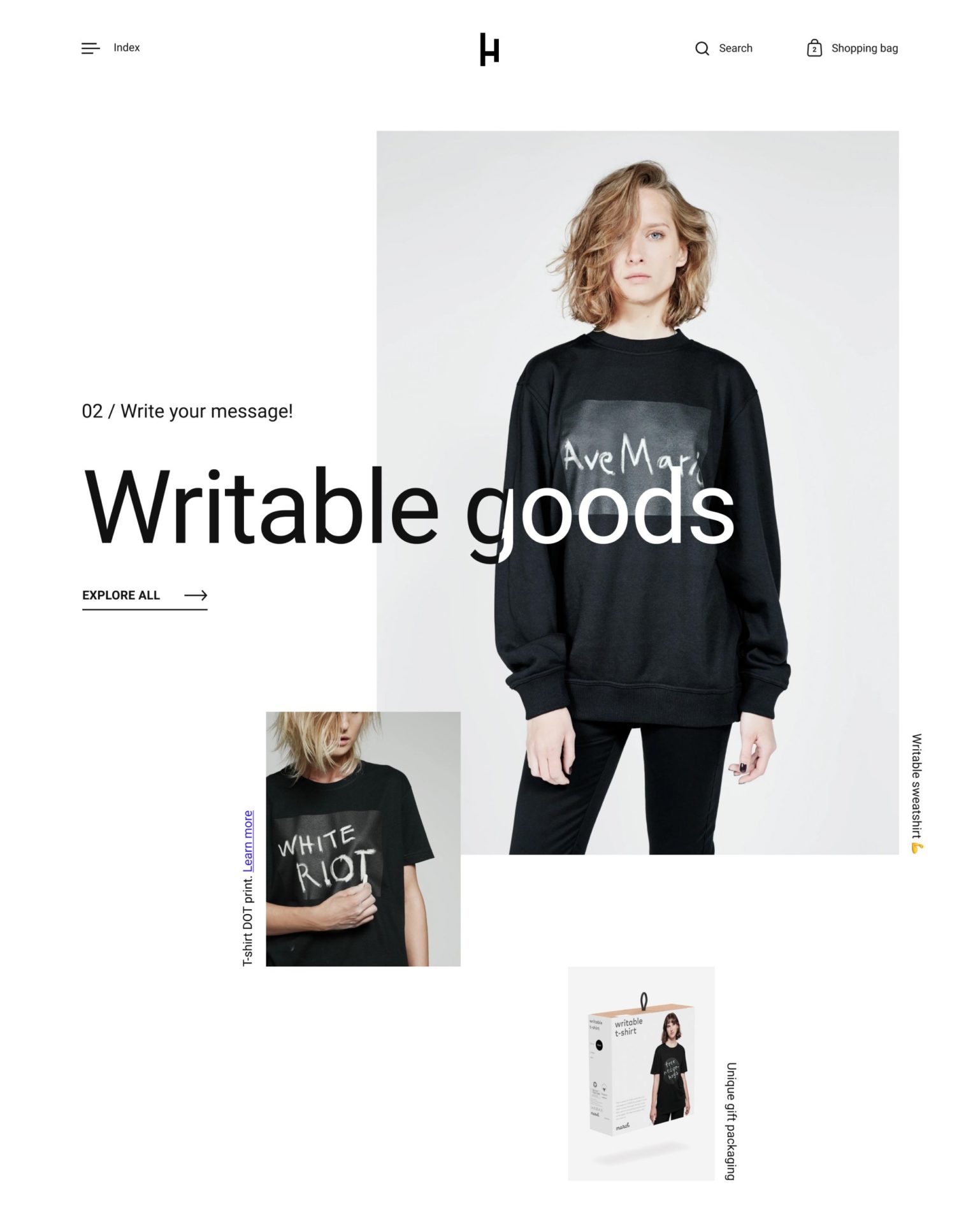
Highlight
Highlight is one of the best options for those who want to sell software online. There is plenty of design potential with this theme that can add great interaction and touchpoints to your website to help you get more out of your business. The theme has been designed for those brands that have one or two software packages to sell rather than those brands that want to sell lots of software products.
To help with the design, there is a parallax vertical slider that can look creative and interesting. It also ensures that customers can see all of the content with ease and they don’t miss important information that can help convert them.
You can also use an asymmetrical product grid to display your products. This layout can help you look more professional and deliver key information about the products to visitors on your website. In the descriptions, you can add key product features, benefits etc. with an image slider and more.
Highlight Highlights:
- Has a minimalist design that allows your website to have lots of white space to concentrate your audience’s attention on what is important.
- There is an asymmetrical product grid that can help you promote key product information on your website.
- Has been optimized for all search engines to help you get more traffic.
- Is a fast website, for better loading times.
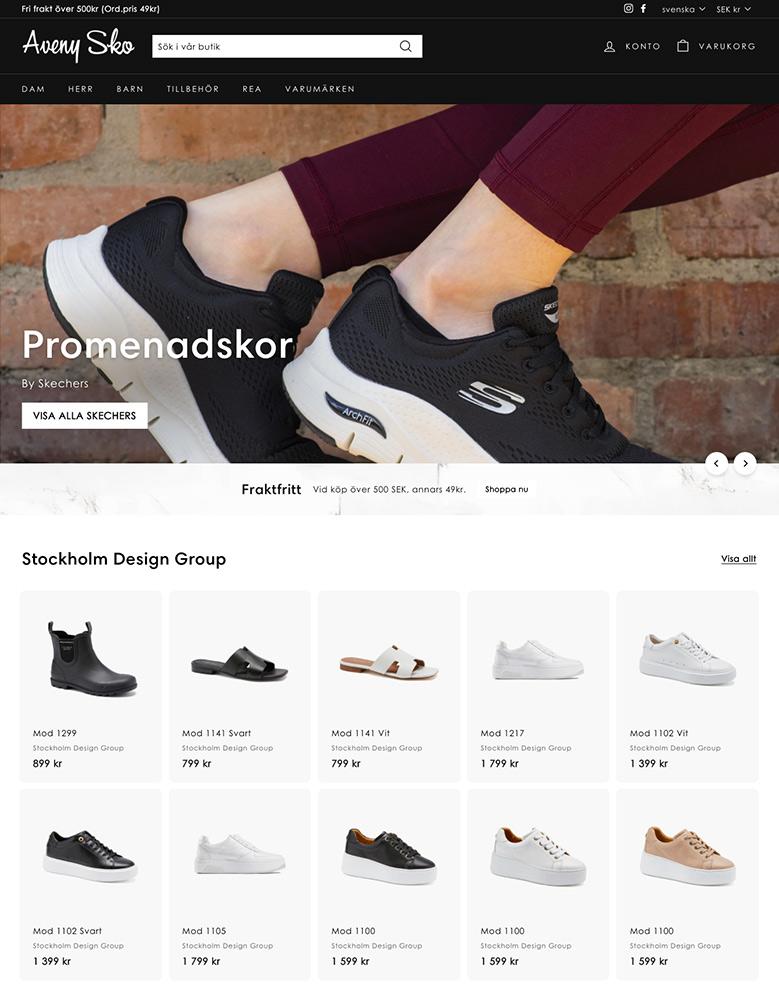
Expanse
Expanse is one of the top options for those that want to sell products directly from their homepage for a more streamlined selling experience. Customers can see the product you’re selling on the first page and then they can use the ‘Quick Buy’ button to add the product to the cart and go to the checkout. They don’t need to visit the product description at all.
The theme allows you to cross-promote products as well. This is great when you have software in different niches or you want to sell equipment or insurance at the same time. You’ll also be able to use this feature to grow the revenues for your store.
Expanse is perfect for navigation and product discovery. Customers can use the custom collection sidebar filters to make purchasing decisions as well as a great menu list to find their way around your website with ease.
Expanse Highlights:
- Perfect for brands that want to have a mobile-friendly website.
- You can promote sales, discounts, products and more with a promotional tile design.
- Allow local pickup of orders that can be arranged on your website.
- Is perfect for brands who want to have an easy-to-edit website design.
-
Are there Shopify themes specifically designed for digital products like eBooks or software?
Yes, there are Shopify themes specifically designed for selling digital products like e-books or software. These themes include features like secure download links and license key distribution, tailored to digital product sales.
-
Can I offer subscription-based digital products in my Shopify store?
Yes, you can offer subscription-based digital products in your Shopify store. Many themes support integration with apps that manage recurring payments and subscriptions, making it easy to sell ongoing services or products.
-
How do Shopify themes handle digital product delivery and security?
They handle digital product delivery by providing secure, automated download links post-purchase. They ensure security with features like limited download attempts and encrypted files to protect your digital assets.
-
Can you sell digital products on Shopify?
Absolutely! Shopify is not just for physical goods. It’s fantastic for selling digital products too, providing a robust platform with all the tools and features you need to get started effortlessly. Whether you’re selling eBooks, music, courses, or software, Shopify has you covered with its seamless integration, easy-to-use interface, and efficient management systems.
-
How to add digital products to Shopify?
Adding digital products to Shopify is a breeze. Start by navigating to your admin panel, click on ‘Products,’ and then select ‘Add product.’ From there, you can upload your digital files and set product details like title, description, and pricing. Don’t forget to uncheck the ‘This is a physical product’ option. It’s straightforward and ensures your digital products are ready for your customers in no time.
-
Is Shopify good for digital products?
Yes, Shopify is excellent for digital products. It offers a secure and efficient platform for managing digital sales, including seamless file delivery, robust payment gateways, and comprehensive analytics. The user-friendly interface makes it easy to upload and manage your digital products, ensuring a smooth experience for both you and your customers. Shopify’s versatility and reliability make it a top choice for digital sales.
-
How to sell digital products Shopify
To sell digital products on Shopify, start by setting up your store with a theme that showcases your digital goods effectively. Add your digital products by uploading files and filling in the necessary details. Configure your payment gateways to accept payments securely. Finally, market your digital products through various channels like social media, email marketing, and SEO to reach your target audience and boost sales.
-
How to deliver digital products on Shopify
Delivering digital products on Shopify is straightforward. Use apps like Digital Downloads to automate file delivery directly to your customers upon purchase. Once a customer completes a transaction, the app will send them a secure download link via email. This automation ensures quick, reliable, and secure delivery of your digital products, enhancing customer satisfaction and streamlining your sales process.
Flexibility of Shopify Digital Product Themes
Adaptable Design Options
A theme that offers a variety of design options allows for greater flexibility in branding and aesthetics.
Whether you’re selling e-books, software, or online courses, the ability to tailor your store’s look to match your products can significantly enhance customer appeal.
For businesses offering subscription boxes, specialized themes can showcase recurring products and highlight the benefits of subscribing, making it easier to attract and retain customers.
User-Friendly Customization
Themes that are easy to customize, even without technical expertise, empower store owners to make quick adjustments.This flexibility is vital for keeping your store up-to-date and aligned with evolving market trends and customer preferences.
Print on Demand themes often include features that allow for easy product customization and visualization, which is crucial for businesses offering personalized digital or physical products.
Responsive Across Devices
In today’s mobile-first world, having a theme that’s responsive across all devices is non-negotiable.
A theme that adjusts seamlessly to different screen sizes ensures that your customers have a consistent shopping experience, whether they’re on a desktop, tablet, or smartphone.
Themes for services often incorporate booking systems and portfolios, which must be equally accessible and functional across all devices to effectively showcase and sell digital services.
Conclusion: 6 Best Digital Products Shopify Themes Sell It
The right Shopify theme can be a game-changer for your digital product store. With eye-catching designs, seamless navigation, and integrated features like product previews and secure download management, you’re set to sell digital products with Shopify. If you didn’t find what you like, try Shopify computer themes, gadget store themes and our picks for Shopify tech stores.
From SEO optimization and responsive design to customer reviews and marketing tools, these themes provide everything you need to attract, engage, and retain customers. Ready to create your digital storefront and make a lasting impression? Discover these top Shopify themes and watch your digital products fly off the shelf. Check out our big list of best Shopify tech themes for more inspiration for your digital products website.