15 Shopify Themes in 2026
Last modified: September 15, 2026

| # | Image | Name | Price | Reception | Adoption | CWV pass rate |
|---|---|---|---|---|---|---|
| 1 |

|
Broadcast
|
$420 | (282) | 1.7% | 75.1% |
| 2 |

|
Symmetry
|
$420 | (390) | 1.4% | 80.6% |
| 3 |

|
Concept
|
$400 | (648) | 1.3% | 75.9% |
| 4 |

|
Be Yours
|
$350 | (689) | 1.1% | — |
| 5 |

|
Palo Alto
|
$420 | (312) | 0.9% | — |
| 6 |

|
Motion
|
$420 | (557) | 0.8% | 61.8% |
| 7 |

|
Pipeline
|
$360 | (209) | 0.8% | 69.9% |
| 8 |
|
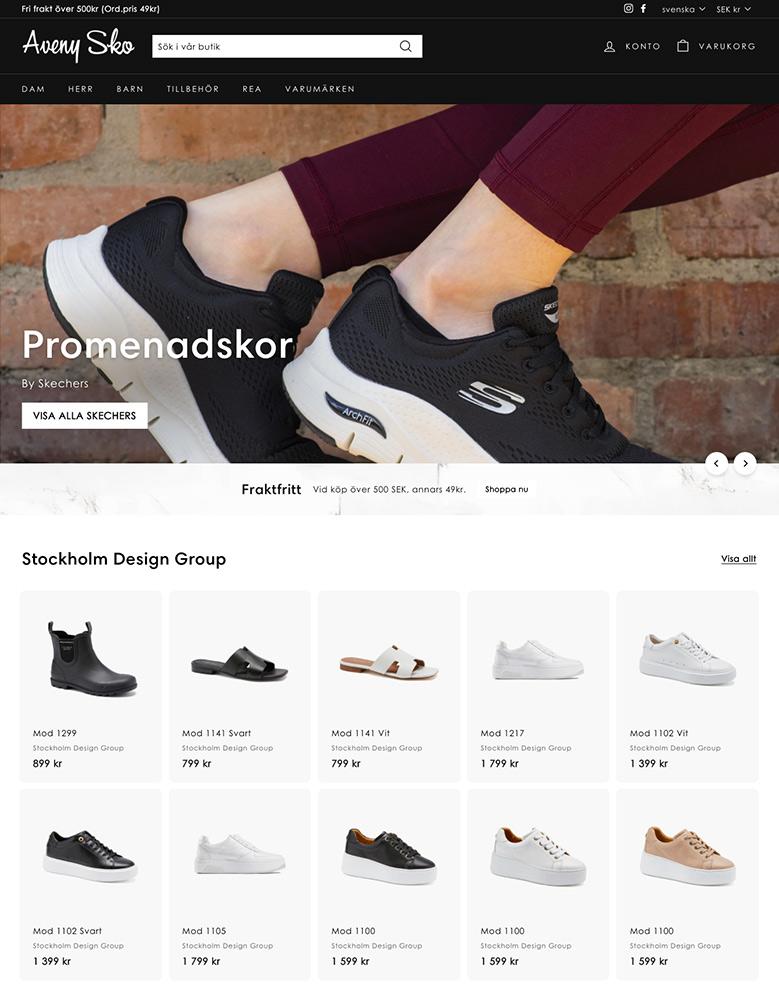
Expanse
|
$420 | (338) | 0.4% | 65.3% |
| 9 |

|
Flow
|
$320 | (383) | 0.2% | 62.7% |
| 10 |
|
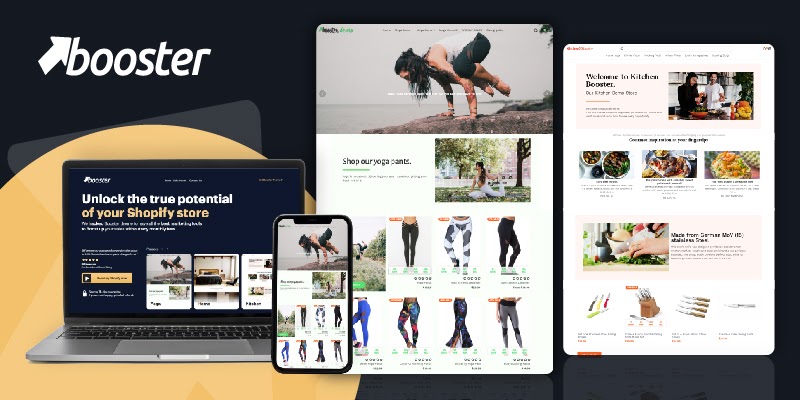
Booster
|
$299 | 0.2% | 43.5% | |
| 11 |

|
Yuva
|
$290 | (127) | 0.2% | 49.4% |
| 12 |

|
Sahara
|
$190 | (106) | 0.1% | 78.1% |
| 13 |
|
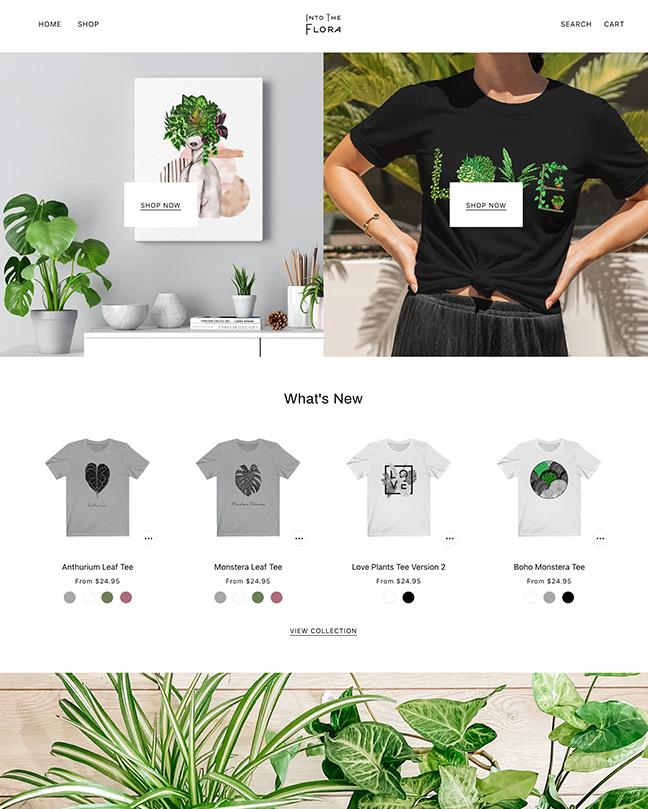
Beyond
|
$420 | (75) | <0.1% | 80.9% |
| 14 |
|
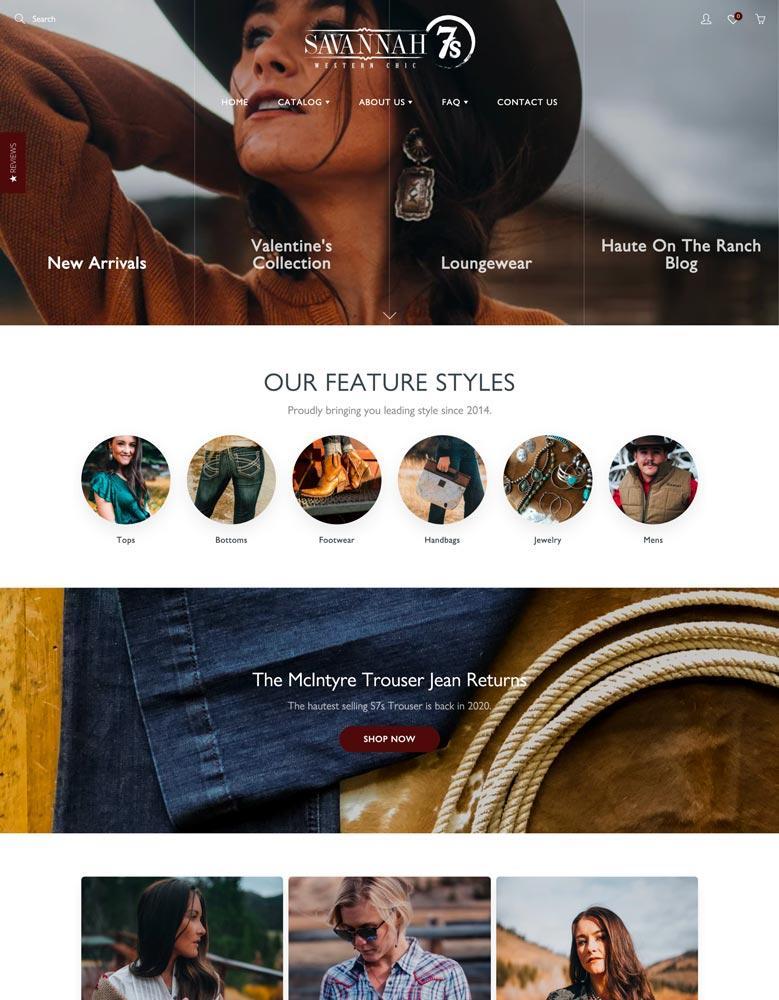
Galleria
|
$300 | (162) | <0.1% | 51.9% |
| 15 |

|
Mavon
|
$280 | (31) | <0.1% | — |
|
Show More
|
||||||
Data first, opinion second: we track usage across 3.5+ million Shopify stores daily, and have since 2017. The stats tell us what merchants actually use; our editors rank the final picks by quality, pricing, and fit.
How These Themes Compare on Speed
| Theme | CWV pass rate | Few apps | Median LCP |
|---|---|---|---|
| Beyond | 80.9% | 85.7% | 1.6s |
| Symmetry | 80.6% | 88.4% | 1.5s |
| Sahara | 78.1% | 87.1% | 1.6s |
| Concept | 75.9% | 83.8% | 1.5s |
| Broadcast | 75.1% | 87.7% | 1.5s |
| Pipeline | 69.9% | 77.8% | 1.7s |
| Expanse | 65.3% | 75.4% | 2s |
| Flow | 62.7% | 76.4% | 1.9s |
| Motion | 61.8% | 70% | 2.1s |
| Galleria | 51.9% | — | 1.5s |
| Yuva | 49.4% | 74.1% | 2.2s |
| Booster | 43.5% | 48.5% | 2.1s |
Broadcast
Ideal for: Editorial, content-led brands
Broadcast is a Shopify Theme Store theme designed around media-forward homepages: large hero sections, video-first templates and bold typography that give a brand a magazine-like opening. Its section templates suit brands that lead with storytelling and photography rather than product catalog depth, and its Online Store 2.0 flexibility lets a store owner rearrange sections without touching Liquid.
Based on live scan data across the Shopify stores in our dataset that run Broadcast, the theme holds its position in the paid-themes market with real store traction. The live snapshot below shows the apps most often installed alongside Broadcast, a useful check on the app stack you should budget for around the theme.
Broadcast Highlights:
- Media-forward hero sections and video-first templates
- Bold typography and magazine-shaped homepages
- Suits brands that lead with storytelling and photography
- Online Store 2.0 with drag-and-drop section flexibility
- Paid one-time Theme Store purchase
| Rank | App | % of stores | Category |
|---|---|---|---|
| 1 | Klaviyo | 58.7% | Email Marketing |
| 2 | Judge.me Product Reviews App | 30.2% | Product reviews |
| 3 | Loox ‑ Product Reviews App | 20.1% | Product reviews |
| 4 | Yotpo | 14.4% | Product reviews |
| 5 | Shop Pay | 13.3% | Payment options - Other |
| 6 | Recharge | 12.2% | Subscriptions |
| 7 | Triplewhale | 11.7% | Analytics |
| 8 | Instafeed ‑ Instagram Feed | 11.6% | Marketing - Other |
| 9 | Gorgias | 10.9% | Support - Other |
| 10 | Swym Wishlist | 10% | Wishlists |
Broadcast Page Speed: Live Data
Symmetry
Ideal for: Large or growing catalogs
Symmetry is a Shopify Theme Store theme built around a clean, versatile grid that scales from a small boutique to a mid-catalog store without needing custom development. Its templates lean minimal and category-neutral, so it works across apparel, home, gadgets and lifestyle without reading as category-specific. It carries a top-tier Theme Store rating and shows up widely across the paid-theme adoption band.
Based on live scan data across the Shopify stores in our dataset that run Symmetry, the theme holds its position in the paid-themes market with real store traction. The live snapshot below shows the apps most often installed alongside Symmetry, a useful check on the app stack you should budget for around the theme.
Symmetry Highlights:
- Clean, versatile grid that scales across catalog sizes
- Category-neutral templates that suit apparel, home, gadgets, lifestyle
- Roomy product pages with strong image-first layouts
- Solid Theme Store rating across a large review base
- Paid one-time Theme Store purchase
| Rank | App | % of stores | Category |
|---|---|---|---|
| 1 | Klaviyo | 53.4% | Email Marketing |
| 2 | Judge.me Product Reviews App | 34.6% | Product reviews |
| 3 | Loox ‑ Product Reviews App | 22.6% | Product reviews |
| 4 | Yotpo | 12.9% | Product reviews |
| 5 | Swym Wishlist | 12.1% | Wishlists |
| 6 | Instafeed ‑ Instagram Feed | 12% | Marketing - Other |
| 7 | Recharge | 11.8% | Subscriptions |
| 8 | Trustpilot | 9.3% | Marketing - Other |
| 9 | Triplewhale | 9.1% | Analytics |
| 10 | Gorgias | 8.2% | Support - Other |
Symmetry Page Speed: Live Data
Concept
Ideal for: Visual product brands
Concept is a Shopify Theme Store theme built around editorial, image-first product pages: roomy layouts, generous whitespace and typographic detail that give products a premium presentation. Its design language reads high-end apparel and lifestyle brands rather than generic ecommerce, and its templates suit brands where the product photography does most of the sell.
Based on live scan data across the Shopify stores in our dataset that run Concept, the theme holds its position in the paid-themes market with real store traction. The live snapshot below shows the apps most often installed alongside Concept, a useful check on the app stack you should budget for around the theme.
Concept Highlights:
- Editorial, image-first product page templates
- Generous whitespace and premium typography
- Suits apparel, lifestyle and design-led brands
- Online Store 2.0 with section flexibility
- Paid one-time Theme Store purchase
| Rank | App | % of stores | Category |
|---|---|---|---|
| 1 | Judge.me Product Reviews App | 43.1% | Product reviews |
| 2 | Klaviyo | 41% | Email Marketing |
| 3 | Loox ‑ Product Reviews App | 21.2% | Product reviews |
| 4 | Recharge | 15% | Subscriptions |
| 5 | Yotpo | 10.3% | Product reviews |
| 6 | Trustpilot | 10.1% | Marketing - Other |
| 7 | Triplewhale | 9.5% | Analytics |
| 8 | Shopify Inbox | 8.3% | Support - Other |
| 9 | PageFly ✦ AI Page Builder | 7.4% | Page builder |
| 10 | Rebuy Personalization Engine | 7.1% | Checkout - Other |
Concept Page Speed: Live Data
Be Yours
Ideal for: Small or single-product stores
Be Yours is a Shopify Theme Store theme aimed at small, focused catalogs with strong branding ambitions: a small number of product-line templates, clean modular sections and design patterns that suit personal-brand or single-hero-product stores rather than sprawling catalogs. Its section shape rewards curation rather than volume.
Based on live scan data across the Shopify stores in our dataset that run Be Yours, the theme holds its position in the paid-themes market with real store traction. The live snapshot below shows the apps most often installed alongside Be Yours, a useful check on the app stack you should budget for around the theme.
Be Yours Highlights:
- Suits small, focused catalogs and personal brands
- Clean modular sections built for curation over volume
- Design patterns that fit single-hero-product stores
- Online Store 2.0 flexibility
- Paid one-time Theme Store purchase
Palo Alto
Ideal for: Small, premium stores
Palo Alto is a Shopify Theme Store theme built for premium, editorial brands where design polish and typographic detail carry the store as much as the products do. Its templates lean high-end apparel, cosmetics and considered-purchase categories rather than dropship or value brands, and its default styling reads finished on day one without a designer.
Based on live scan data across the Shopify stores in our dataset that run Palo Alto, the theme holds its position in the paid-themes market with real store traction. The live snapshot below shows the apps most often installed alongside Palo Alto, a useful check on the app stack you should budget for around the theme.
Palo Alto Highlights:
- Premium, editorial design language
- Typographic detail that suits high-end apparel and cosmetics
- Considered-purchase category fit
- Design reads finished on day one without custom work
- Paid one-time Theme Store purchase
Motion
Ideal for: Animation and video brands
Motion is a Shopify Theme Store theme built around animation and storytelling sections: parallax scrolling, video backgrounds, animated reveals and long-scroll narrative product pages. The trick is that Motion keeps its speed despite the animation weight by loading effects lazily. It suits storefronts where the brand narrative sells as hard as the product spec sheet.
Based on live scan data across the Shopify stores in our dataset that run Motion, the theme holds its position in the paid-themes market with real store traction. The live snapshot below shows the apps most often installed alongside Motion, a useful check on the app stack you should budget for around the theme.
Motion Highlights:
- Animation and parallax sections built into the theme
- Video backgrounds and animated reveals on homepage and product pages
- Long-scroll narrative product templates
- Lazy-loaded effects that keep first paint fast
- Paid one-time Theme Store purchase
| Rank | App | % of stores | Category |
|---|---|---|---|
| 1 | Klaviyo | 41.1% | Email Marketing |
| 2 | Judge.me Product Reviews App | 32.6% | Product reviews |
| 3 | Loox ‑ Product Reviews App | 23% | Product reviews |
| 4 | Recharge | 20.5% | Subscriptions |
| 5 | Yotpo | 11.1% | Product reviews |
| 6 | Rebuy Personalization Engine | 9.8% | Checkout - Other |
| 7 | PageFly ✦ AI Page Builder | 8.8% | Page builder |
| 8 | Smart SEO AI & Image Optimizer | 7.5% | SEO |
| 9 | Shopify Inbox | 7.5% | Support - Other |
| 10 | Triplewhale | 7.4% | Analytics |
Motion Page Speed: Live Data
Pipeline
Ideal for: Luxury brands
Pipeline is a Shopify Theme Store theme built for premium editorial brands with a design-first sensibility: minimal templates, considered typography, generous whitespace and product pages that showcase rather than merchandise. It suits brands where the aesthetic is part of the value proposition rather than a wrapper around the catalog.
Based on live scan data across the Shopify stores in our dataset that run Pipeline, the theme holds its position in the paid-themes market with real store traction. The live snapshot below shows the apps most often installed alongside Pipeline, a useful check on the app stack you should budget for around the theme.
Pipeline Highlights:
- Minimal, design-first template shape
- Considered typography and generous whitespace
- Product pages that showcase rather than merchandise
- Suits premium editorial and aesthetic-led brands
- Paid one-time Theme Store purchase
| Rank | App | % of stores | Category |
|---|---|---|---|
| 1 | Klaviyo | 52.9% | Email Marketing |
| 2 | Judge.me Product Reviews App | 32.7% | Product reviews |
| 3 | Shop Pay | 25.1% | Payment options - Other |
| 4 | Loox ‑ Product Reviews App | 20.5% | Product reviews |
| 5 | Recharge | 13.2% | Subscriptions |
| 6 | Yotpo | 13.1% | Product reviews |
| 7 | Swym Wishlist | 11.6% | Wishlists |
| 8 | Rebuy Personalization Engine | 10.7% | Checkout - Other |
| 9 | Instafeed ‑ Instagram Feed | 10.4% | Marketing - Other |
| 10 | Gorgias | 9.6% | Support - Other |
Pipeline Page Speed: Live Data
Expanse
Ideal for: Large catalogs
Expanse is a Shopify Theme Store theme built for larger catalogs that need advanced product browsing without going enterprise-scale: multi-column mega-menus, deep collection filtering, quick-view popovers and layouts that stay fast as SKU count grows past several hundred. It suits stores where the browsing pattern is more department-store than boutique.
Based on live scan data across the Shopify stores in our dataset that run Expanse, the theme holds its position in the paid-themes market with real store traction. The live snapshot below shows the apps most often installed alongside Expanse, a useful check on the app stack you should budget for around the theme.
Expanse Highlights:
- Multi-column mega-menu for wide catalog navigation
- Deep collection filtering that scales past several hundred SKUs
- Quick-view popovers so shoppers browse without page loads
- Layouts that keep speed on larger catalogs
- Paid one-time Theme Store purchase
| Rank | App | % of stores | Category |
|---|---|---|---|
| 1 | Klaviyo | 45.4% | Email Marketing |
| 2 | Judge.me Product Reviews App | 37.3% | Product reviews |
| 3 | Loox ‑ Product Reviews App | 22.2% | Product reviews |
| 4 | Recharge | 16.2% | Subscriptions |
| 5 | Yotpo | 14.9% | Product reviews |
| 6 | Gorgias | 13.1% | Support - Other |
| 7 | Swym Wishlist | 12.9% | Wishlists |
| 8 | Rebuy Personalization Engine | 11.2% | Checkout - Other |
| 9 | Trustpilot | 10.8% | Marketing - Other |
| 10 | PageFly ✦ AI Page Builder | 10% | Page builder |
Expanse Page Speed: Live Data
Flow
Ideal for: Wellness, skincare, food
Flow is a Shopify Theme Store theme built for wellness, food, natural products and craft-goods stores: warm, organic design language, ingredient-and-benefits-friendly product page templates and section shapes that carry storytelling alongside product data. Its aesthetic reads authentic and grounded rather than corporate or dropship.
Based on live scan data across the Shopify stores in our dataset that run Flow, the theme holds its position in the paid-themes market with real store traction. The live snapshot below shows the apps most often installed alongside Flow, a useful check on the app stack you should budget for around the theme.
Flow Highlights:
- Warm, organic design language
- Product templates that carry ingredient and benefit context
- Section shapes that support storytelling alongside product data
- Suits wellness, food, natural products and craft goods
- Paid one-time Theme Store purchase
| Rank | App | % of stores | Category |
|---|---|---|---|
| 1 | Klaviyo | 47.9% | Email Marketing |
| 2 | Judge.me Product Reviews App | 32.6% | Product reviews |
| 3 | Loox ‑ Product Reviews App | 18.8% | Product reviews |
| 4 | Recharge | 17.4% | Subscriptions |
| 5 | Rebuy Personalization Engine | 13.8% | Checkout - Other |
| 6 | Yotpo | 9.6% | Product reviews |
| 7 | PageFly ✦ AI Page Builder | 9.6% | Page builder |
| 8 | Gorgias | 8.5% | Support - Other |
| 9 | Instafeed ‑ Instagram Feed | 8.2% | Marketing - Other |
| 10 | Paypal | 7.8% | Checkout - Other |
Flow Page Speed: Live Data
Booster
Ideal for: Marketing-led stores

Booster is a paid marketplace theme (not on the Shopify Theme Store) built around a wide bundle of pre-installed conversion features: upsells, cross-sells, popups, currency conversion, sticky add-to-cart, trust badges and countdown timers included in the theme rather than added as separate apps. That bundling is the whole pitch, and it earns Booster a place on this list because a store installing it replaces a stack of five or six conversion apps with one theme purchase.
Based on live scan data across the Shopify stores in our dataset that run Booster, its adoption skews to dropship and value-brand categories where the app-replacement value outweighs the marketplace-theme trade-offs. The live snapshot below shows the apps stores still install alongside Booster, a useful check on which functions its bundle actually covers versus where you still need a specialist app.
Booster Highlights:
- Bundled conversion features included in the theme (no separate app subscriptions)
- Suits dropship and value-brand catalogs where app-stack cost is a real line item
- Marketplace theme (not Shopify Theme Store), so update cadence depends on the developer
- One-time purchase rather than a recurring app subscription
- Not a fit for premium editorial brands: the design leans commercial by default
| Rank | App | % of stores | Category |
|---|---|---|---|
| 1 | Loox ‑ Product Reviews App | 56.1% | Product reviews |
| 2 | Judge.me Product Reviews App | 49.5% | Product reviews |
| 3 | Klaviyo | 26% | Email Marketing |
| 4 | Recharge | 21.4% | Subscriptions |
| 5 | Yotpo | 10.2% | Product reviews |
| 6 | Releasit Cod Form | 8.7% | Pay later |
| 7 | Triplewhale | 8.2% | Analytics |
| 8 | Shopify Inbox | 7.7% | Support - Other |
| 9 | Swym Wishlist | 7.1% | Wishlists |
| 10 | Simprosys Google Shopping Feed | 6.6% | Marketplaces |
Booster Page Speed: Live Data
Yuva
Ideal for: Bold, high-energy brands
Yuva is a Shopify Theme Store theme with a bold, contemporary design language aimed at apparel and streetwear brands: strong typography, high-energy homepage sections and product templates that suit visual-brand catalogs. Its aesthetic leans younger and scene-driven rather than premium editorial, and it fits brands where the storefront is part of the identity.
Based on live scan data across the Shopify stores in our dataset that run Yuva, the theme holds its position in the paid-themes market with real store traction. The live snapshot below shows the apps most often installed alongside Yuva, a useful check on the app stack you should budget for around the theme.
Yuva Highlights:
- Bold, contemporary design language
- High-energy homepage sections
- Product templates suited to apparel and streetwear
- Scene-driven aesthetic rather than premium editorial
- Paid one-time Theme Store purchase
| Rank | App | % of stores | Category |
|---|---|---|---|
| 1 | Judge.me Product Reviews App | 47.2% | Product reviews |
| 2 | Klaviyo | 31.5% | Email Marketing |
| 3 | Recharge | 19.7% | Subscriptions |
| 4 | Loox ‑ Product Reviews App | 17.4% | Product reviews |
| 5 | Omnisend Email Marketing & SMS | 10.1% | Email Marketing |
| 6 | Rebuy Personalization Engine | 10.1% | Checkout - Other |
| 7 | Trustpilot | 7.9% | Marketing - Other |
| 8 | Shopify Inbox | 7.3% | Support - Other |
| 9 | Yotpo | 7.3% | Product reviews |
| 10 | Powerful Form Builder | 7.3% | Forms |
Yuva Page Speed: Live Data
Sahara
Ideal for: Image-led brands on a budget
Sahara is a Shopify Theme Store theme that reads polished and design-considered without the premium price tag of the top editorial themes: warm palette defaults, image-first sections and product templates that suit small-to-mid catalogs across most consumer categories. A value pick when you want the theme to look launched on day one without paying for the top tier.
Based on live scan data across the Shopify stores in our dataset that run Sahara, the theme holds its position in the paid-themes market with real store traction. The live snapshot below shows the apps most often installed alongside Sahara, a useful check on the app stack you should budget for around the theme.
See the full Sahara install profile for theme companions, catalog size and app-stack fingerprint of the stores using it.
Sahara Highlights:
- Polished defaults without a premium price tag
- Warm palette and image-first sections
- Fits small-to-mid catalogs across most consumer categories
- Value pick for a launched-looking store without top-tier spend
- Paid one-time Theme Store purchase
| Rank | App | % of stores | Category |
|---|---|---|---|
| 1 | Klaviyo | 49.1% | Email Marketing |
| 2 | Judge.me Product Reviews App | 30.4% | Product reviews |
| 3 | Loox ‑ Product Reviews App | 14.9% | Product reviews |
| 4 | Swym Wishlist | 12.4% | Wishlists |
| 5 | Triplewhale | 11.8% | Analytics |
| 6 | Trustpilot | 11.2% | Marketing - Other |
| 7 | Instafeed ‑ Instagram Feed | 10.6% | Marketing - Other |
| 8 | Rebuy Personalization Engine | 9.9% | Checkout - Other |
| 9 | Yotpo | 8.1% | Product reviews |
| 10 | Recharge | 6.8% | Subscriptions |
Sahara Usage Statistics
Sahara usage at a glance, from our Shopify store dataset, refreshed daily.
Sahara Page Speed: Live Data
Beyond
Ideal for: Story-led brands
Beyond is a Shopify Theme Store theme built for storytelling brands where the storefront doubles as a media platform: long-scroll pages, editorial section templates, narrative product pages and a design shape more like a magazine than a catalog. It suits brands where the story sells the product rather than the spec sheet.
Based on live scan data across the Shopify stores in our dataset that run Beyond, the theme holds its position in the paid-themes market with real store traction. The live snapshot below shows the apps most often installed alongside Beyond, a useful check on the app stack you should budget for around the theme.
Beyond Highlights:
- Long-scroll editorial page shape
- Narrative product templates with room for copy
- Design shape closer to a magazine than a catalog
- Suits storytelling and media-led brands
- Paid one-time Theme Store purchase
| Rank | App | % of stores | Category |
|---|---|---|---|
| 1 | Klaviyo | 58.8% | Email Marketing |
| 2 | Judge.me Product Reviews App | 30.6% | Product reviews |
| 3 | Loox ‑ Product Reviews App | 22.4% | Product reviews |
| 4 | Recharge | 17.7% | Subscriptions |
| 5 | PageFly ✦ AI Page Builder | 12.9% | Page builder |
| 6 | Instafeed ‑ Instagram Feed | 12.9% | Marketing - Other |
| 7 | Yotpo | 10.6% | Product reviews |
| 8 | Eg Auto Add To Cart | 9.4% | Cart customization |
| 9 | Paypal | 9.4% | Checkout - Other |
| 10 | Omnisend Email Marketing & SMS | 8.2% | Email Marketing |
Beyond Page Speed: Live Data
Galleria
Ideal for: Image-heavy catalogs
Galleria is a Shopify Theme Store theme built for large catalogs where the browsing pattern is department-store rather than boutique: mega-menus, deep filtering, quick-view popovers and section templates that scale as the catalog grows. It suits home goods, electronics, sporting goods and other categories where breadth is the value proposition.
Based on live scan data across the Shopify stores in our dataset that run Galleria, the theme holds its position in the paid-themes market with real store traction. The live snapshot below shows the apps most often installed alongside Galleria, a useful check on the app stack you should budget for around the theme.
Galleria Highlights:
- Department-store browsing shape
- Mega-menus and deep filtering built in
- Section templates that scale with the catalog
- Suits home goods, electronics, sporting goods
- Paid one-time Theme Store purchase
| Rank | App | % of stores | Category |
|---|---|---|---|
| 1 | Judge.me Product Reviews App | 34.5% | Product reviews |
| 2 | Klaviyo | 22.4% | Email Marketing |
| 3 | Loox ‑ Product Reviews App | 15.5% | Product reviews |
| 4 | Omnisend Email Marketing & SMS | 13.8% | Email Marketing |
| 5 | Recharge | 13.8% | Subscriptions |
| 6 | Rebuy Personalization Engine | 12.1% | Checkout - Other |
| 7 | PageFly ✦ AI Page Builder | 10.3% | Page builder |
| 8 | Shopify Inbox | 8.6% | Support - Other |
| 9 | Hulk Form Builder | 6.9% | Forms |
| 10 | Trustpilot | 6.9% | Marketing - Other |
Galleria Page Speed: Live Data
Mavon
Ideal for: Fast boutiques
Mavon is a Shopify Theme Store theme aimed at small, focused shops with a strong product story: a small number of clean templates, modular sections and product-first design patterns that suit single-line or hero-product catalogs. It fits brands starting out or intentionally staying small rather than sprawling department-store shapes.
Based on live scan data across the Shopify stores in our dataset that run Mavon, the theme holds its position in the paid-themes market with real store traction. The live snapshot below shows the apps most often installed alongside Mavon, a useful check on the app stack you should budget for around the theme.
Mavon Highlights:
- Clean, product-first templates
- Modular sections for small catalogs
- Suits single-line or hero-product stores
- Design shape rewards curation over volume
- Paid one-time Theme Store purchase
| Rank | App | % of stores | Category |
|---|---|---|---|
| 1 | Judge.me Product Reviews App | 50% | Product reviews |
| 2 | Klaviyo | 18.8% | Email Marketing |
| 3 | Loox ‑ Product Reviews App | 15.6% | Product reviews |
| 4 | Recharge | 15.6% | Subscriptions |
| 5 | PageFly ✦ AI Page Builder | 15.6% | Page builder |
| 6 | GemPages Landing Page Builder | 9.4% | Page builder |
| 7 | Blocky Fraud Blocker | 9.4% | Fraud |
| 8 | Gorgias | 6.3% | Support - Other |
| 9 | Swym Wishlist | 6.3% | Wishlists |
| 10 | Attentive: AI‑led Email &SMS | 6.3% | Email marketing |
-
Can Shopify themes be optimized for international sales?
Yes, Shopify themes can indeed be optimized for international sales. Many themes are designed with global e-commerce and offer features that make it easier to expand your business internationally.
-
Do Shopify themes offer features for dropshipping businesses?
Yes, there are Shopify themes for dropshipping businesses. These themes often include features such as easy product importing, compatibility with popular dropshipping apps, and user-friendly product catalog layouts.
-
How do Shopify themes handle customer reviews and feedback?
Shopify themes provide the framework to display customer reviews and feedback . They often integrate with Shopify’s built-in review system or can be customized to work with third-party review apps.
-
Which Shopify theme do most stores use?
Across the stores in our dataset, the free Dawn theme is by far the most common, since it ships with every Shopify plan, followed by Horizon, Shopify’s newer free theme. Among premium themes, Prestige, Impulse, and Broadcast lead. Most-used is not the same as best for you, so treat the leaderboard as a starting signal and pick for your store type and budget.
-
What is the best Shopify theme overall?
There is no single best theme, because the right one depends on what you sell and how. Dawn is the best free starting point, Prestige and Broadcast suit premium editorial brands, Symmetry and Ella handle large or mixed catalogs, and Be Yours or Mavon fit small, focused stores. The picks on this list cover those cases across budgets, so match the theme to your store rather than chasing a single winner.
-
How much do premium Shopify themes cost?
Premium Shopify themes are almost always a one-time purchase rather than a subscription. On this list they range from about $250 for Sahara up to $420 for themes like Broadcast, Symmetry, and Motion, with most landing between $300 and $420. Free options like Dawn and Horizon cost nothing. Whatever you choose, budget for a few paid apps on top, since no theme does everything.
-
How do I find what Shopify theme a website is using?
Use a Shopify theme detector: paste the store’s URL into our free Shopify theme detector tool and it identifies the theme (and version) in a second. The tool reads the theme name from the store’s public source code, which every Shopify storefront exposes, so it works on any live Shopify store without needing store access. It’s the same tool we use to build the adoption dataset every card on this page cites.
-
How to tell what Shopify theme a site is using?
The fastest way is a theme detector tool: paste the store URL into our Shopify theme detector and it returns the theme name and version. You can also inspect the site’s page source and look for the theme name in the file paths under /assets/, but the tool does the same lookup in one click without needing to read code.
-
What is the best Shopify theme for a small store?
Depends on what you sell. For small, focused catalogs with strong branding, Be Yours and Mavon are built for single-line or hero-product stores; for a polished value pick that scales as you grow, Sahara is a good starting point; and if the store is design-first with premium positioning, Concept or Palo Alto give the layout without needing custom development. All are Shopify Theme Store paid themes, one-time purchase, updated by their developers.
-
Which Shopify themes are the most used?
Free defaults dominate raw adoption because they ship with every Shopify plan: Dawn and Horizon lead the leaderboard by a wide margin, followed by paid themes with strong install bases like Prestige, Impulse and Shrine PRO. The live leaderboard higher up this page shows the current top 15 across our full dataset of Shopify stores.
-
Are Shopify Theme Store themes worth paying for?
Yes when the paid theme’s design, section templates and category fit save you enough time or unlock enough conversion that the one-time cost pays back. A paid theme is a fixed upfront cost (typically low three figures) with ongoing developer updates included, so the total cost of ownership stays predictable. Free themes work well for stores whose category matches Dawn’s or Horizon’s default templates; paid themes earn their price when you need something the free themes don’t naturally do (large-catalog filtering, animation-led homepages, premium editorial layouts, marketplace-style bundled features).
-
What’s the difference between a Shopify Theme Store theme and a marketplace theme?
Shopify Theme Store themes are hosted by Shopify, reviewed for code quality, updated by their developers with ongoing support, and one-time purchase. Marketplace themes (ThemeForest, Etsy, developer sites) vary widely in code quality and update cadence, are often cheaper, and can include bundled features that Theme Store themes typically leave to apps (Booster is the best-known marketplace example). Both are one-time purchases rather than subscriptions, but Theme Store themes are the safer default for update reliability.
-
How do I switch Shopify themes without losing content?
Preview and configure the new theme in your Shopify admin before publishing it, so all sections and product templates are ready when you switch. Product data (products, collections, customers, orders) sits in your Shopify catalog, not in the theme, so switching themes never loses that content, but theme-specific customisations (custom sections, homepage layout, colour settings, uploaded logos) are theme-scoped and need to be rebuilt in the new theme. Our full walkthrough covers the step-by-step: how to switch Shopify themes without losing content.
-
What Shopify theme should I use for a large catalog?
For stores with several hundred to several thousand SKUs and heavy filtering (fashion sizing, colour variants, tech specs), pick a theme built for department-store shape: Expanse and Galleria are the two large-catalog picks on this list, both with mega-menus, deep collection filtering and section templates that scale as the catalog grows. Warehouse and Capital (covered in our fast Shopify themes list) are also strong large-catalog options where speed under filter load matters most.
Choosing your Shopify theme
Match theme to catalog shape and brand voice. Broadcast, Symmetry and Concept cover the proven all-rounders that also rank well; Pipeline, Palo Alto and Beyond fit premium editorial brands; Motion is the pick for animation and storytelling; Expanse and Galleria carry large catalogs cleanly; Flow suits wellness and food; Be Yours, Mavon and Yuva fit small focused catalogs; Sahara is the polished value pick; and Booster is the marketplace outlier when bundled functions save an app stack. All are one-time purchases (Theme Store themes updated by their developers, Booster updated by its marketplace developer), so the cost lands as an upfront line item rather than a recurring subscription.
Whichever you pick, remember the theme is the base layer: the apps you install, the images you upload and the third-party scripts you add all contribute to the final speed and shape the shopper feels. For related reading, see our Shopify theme alternatives guide, our themes by style, speed and strategy collection, and our theme-switching walkthrough for when you’re ready to swap. And if you’re not sure which theme a Shopify store you like uses, our free Shopify theme detector identifies it in a second.