9 Shopify Builder Apps 2026
Last modified: August 23, 2026

| # | Image | Name | Price / month | Rating | Adoption |
|---|---|---|---|---|---|
| 1 |

|
PageFly Advanced Page Builder
|
Free + from $24/mo | (5,894) | 6.7% |
| 2 |

|
LayoutHub Easy Page Builder
|
Free + from $14.99/mo | (1,374) | — |
| 3 |

|
GemPages Landing Page Builder
|
Free + from $29/mo | (4,249) | 4.0% |
| 4 |

|
Beae ‑ Page Builder
|
Free + from $19.99/mo | (885) | 0.1% |
| 5 |

|
Shogun Landing Page Builder
|
Free + from $39/mo | (1,965) | 2.3% |
| 6 |

|
Page Studio Page Builder
|
From $9.99/mo | (108) | — |
| 7 |

|
Hypervisual Page Builder
|
From $9.95/mo | (56) | — |
| 8 |
|
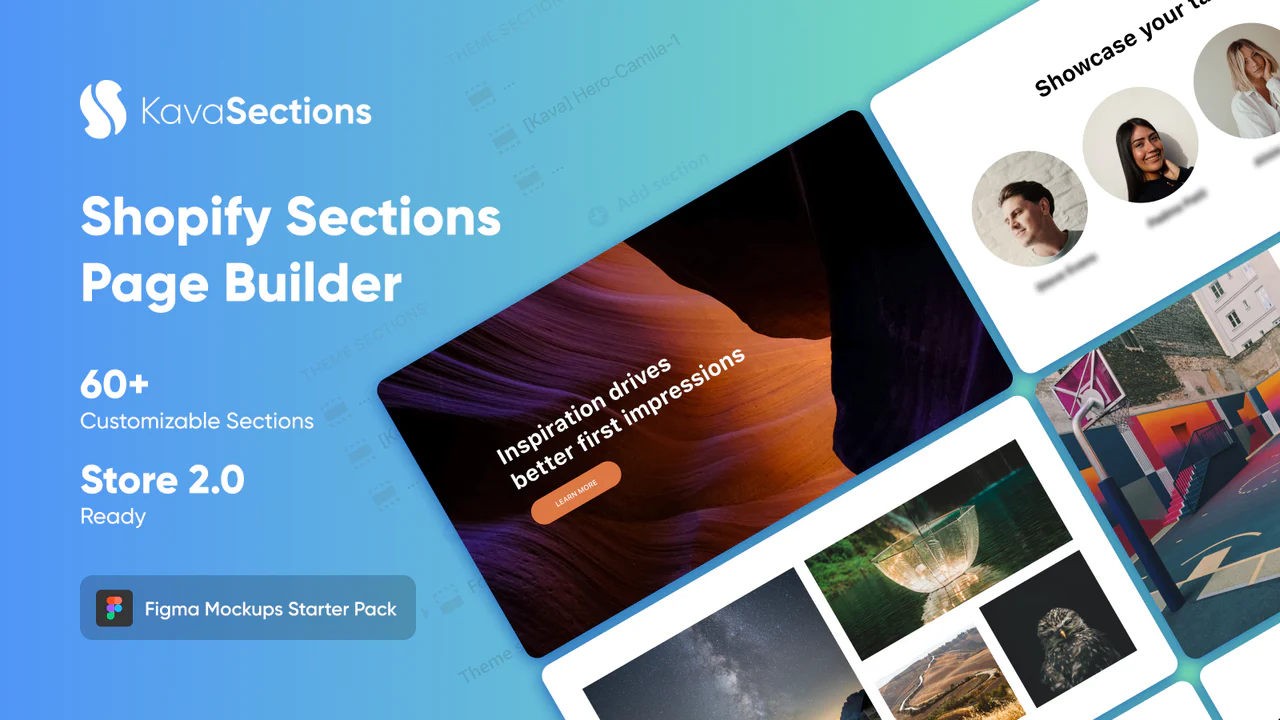
Kava Sections: Page Builder
|
Free to install + from $9.99/mo | (12) | — |
| 9 |
|
Page Builder & PRO page editor
|
From $9.99/mo | (12) | — |
|
Show More
|
|||||
Data first, opinion second: we track usage across 3.5+ million Shopify stores daily, and have since 2017. The stats tell us what merchants actually use; our editors rank the final picks by quality, pricing, and fit.
PageFly Advanced Page Builder
Ideal for: All round building
PageFly is the most widely used builder in our data, and the natural starting point. It builds landing, product, and custom pages, generates layouts with AI, and adds A/B testing and a speed audit. For a full breakdown see our PageFly review.
Highlights:
- Landing, product, and custom pages
- AI generation and A/B testing
- Speed and SEO audit
- Free plan to start
PageFly Usage Statistics
PageFly adoption at a glance, from our Shopify store dataset, refreshed daily.
LayoutHub Easy Page Builder
Ideal for: Quick layouts
LayoutHub gives you ready made layouts to adjust rather than build from scratch, the quick route to a good looking page without learning a full builder.
Highlights:
- Large layout library
- Simple to edit
- Works across page types
- Free plan
GemPages Landing Page Builder
Ideal for: AI built pages tuned to convert
GemPages turns a prompt or a screenshot into a working page, and its templates are tuned for selling. It is a strong pick for stores that want conversion focused pages built fast.
Highlights:
- AI page generation
- Conversion tuned templates
- Drag and drop editing
- Free plan available
GemPages Usage Statistics
GemPages adoption at a glance, from our Shopify store dataset, refreshed daily.
Beae ‑ Page Builder
Ideal for: Value building
Beae is a fast, affordable drag and drop builder with a clean editor and solid templates, a strong value pick for capable building without the top tier price.
Highlights:
- Fast drag and drop
- Good templates
- Affordable plans
- Free tier
Shogun Landing Page Builder
Ideal for: Teams
Shogun is the team focused builder, with structured editing, A/B testing, and analytics for stores that treat pages as an ongoing project. It leans toward larger operations.
Highlights:
- Structured editor
- A/B testing and analytics
- Reusable sections
- Suited to larger stores
See Shogun’s full adoption data for how many live stores run it.
Shogun Usage Statistics
Shogun adoption at a glance, from our Shopify store dataset, refreshed daily.
Page Studio Page Builder
Ideal for: Small stores
Page Studio is a lightweight tool for adding the occasional custom page or section without code, a fit for smaller stores that do not need a full suite.
Highlights:
- Light custom page builder
- No code
- Quick and simple
- Affordable
Hypervisual Page Builder
Ideal for: Simple pages
Hypervisual keeps it straightforward: drag and drop landing and content pages with no steep learning curve, a dependable option for the core job.
Highlights:
- Drag and drop pages
- Reusable blocks
- Easy setup
- Established option
Kava Sections: Page Builder
Ideal for: Theme sections
Kava adds prebuilt sections to your existing theme rather than replacing it with a full builder, a tidy way to extend a theme while keeping the native editor.
Highlights:
- Prebuilt theme sections
- Works in the native editor
- Keeps pages light
- No full builder needed
Page Builder & PRO page editor
Ideal for: Budget editor
This is a budget page and section editor for custom layouts. Its rating is lower than the leaders, so test it against your theme first, but it covers the basics.
Highlights:
- Custom page editor
- Budget friendly
- Covers the basics
- Test against your theme
-
Can I get customer support for these Shopify builder apps?
Yes, most reputable Shopify builder apps offer customer support through email, live chat, or phone. Be sure to check their support options and response times.
-
Do I need technical expertise to install and use Shopify builder apps?
Generally, no technical expertise is required for installation and basic usage. The apps often come with detailed instructions and support to help you get started quickly.
-
Can I switch between different Shopify builder apps easily?
Switching between builder apps is possible, but it may involve some adjustments to your store’s design. It’s advisable to research and test a new app before making the switch.
-
What is a Shopify builder app?
A builder app adds a drag and drop editor to your store so you can design pages your theme does not include, like custom landing, product, or home page layouts, without writing code. You place sections, text, and images visually and reuse them across pages. It sits on top of your theme rather than replacing it.
-
Do builder apps slow down my store?
They can if you overbuild. Rich pages with lots of sections and scripts load slower, and page speed affects both conversion and SEO. Choose a builder with clean output, keep pages focused, and test load times after building. Section based tools that work in the native editor tend to stay lighter than a full separate builder.
-
Are there free Shopify builder apps?
Yes. Most builders here, including PageFly, GemPages, LayoutHub, and Beae, offer a free plan that covers basic page building. Free tiers usually limit how many pages you publish or which features you can use, with paid plans adding templates, testing, and more published pages.
Choosing a Builder App
For all round building, PageFly, GemPages, and Shogun lead; for quick value, LayoutHub and Beae deliver; and if you only need to extend your theme, a section tool like Kava keeps things light. Keep page speed in mind, and for the full field or campaign pages, see our page builders and landing page apps guides.